Professional Surgical Extractors: Explore Types, Uses & Instrument Guide
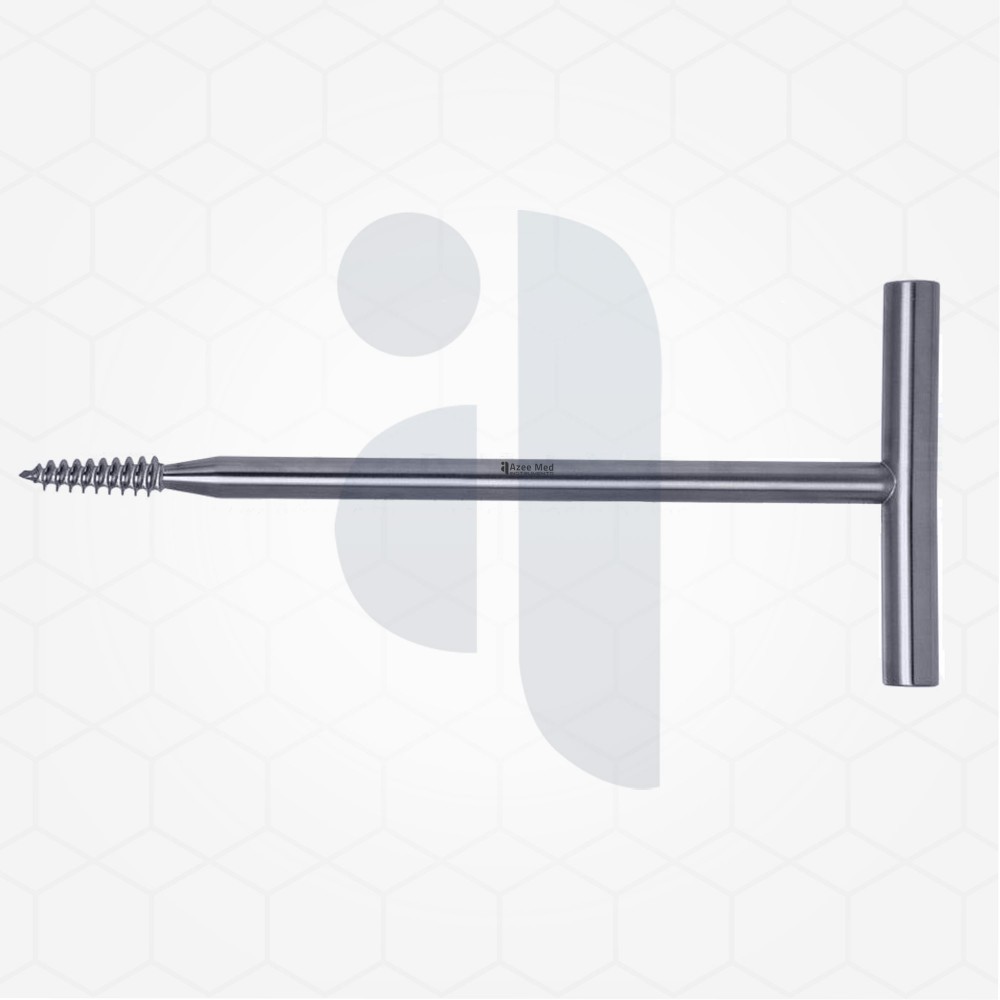
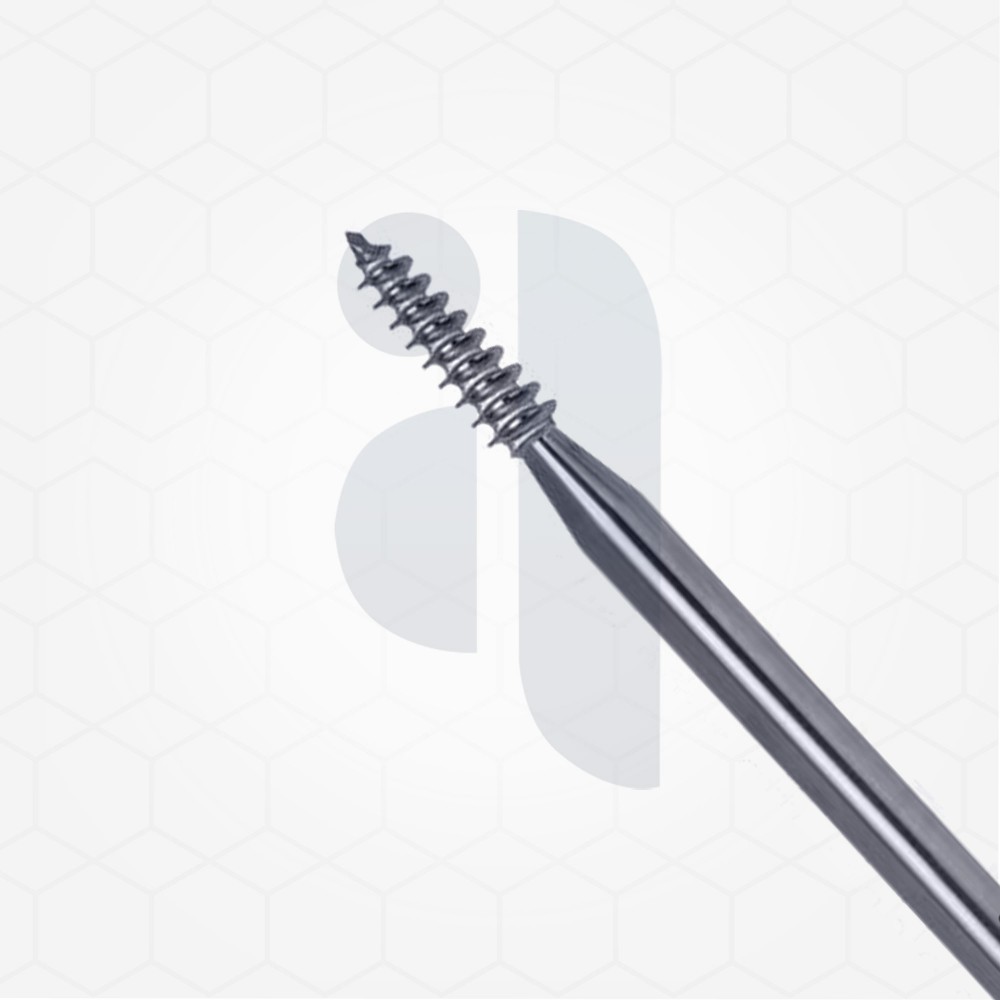
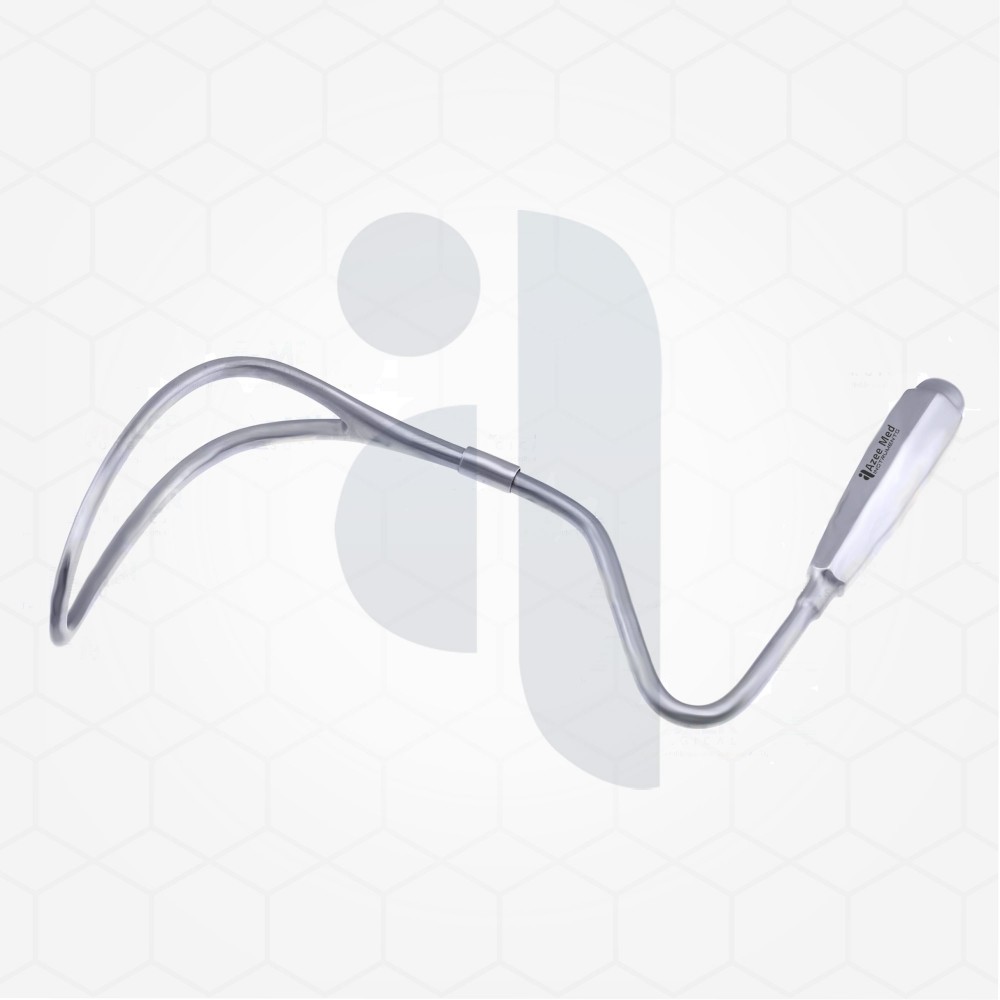
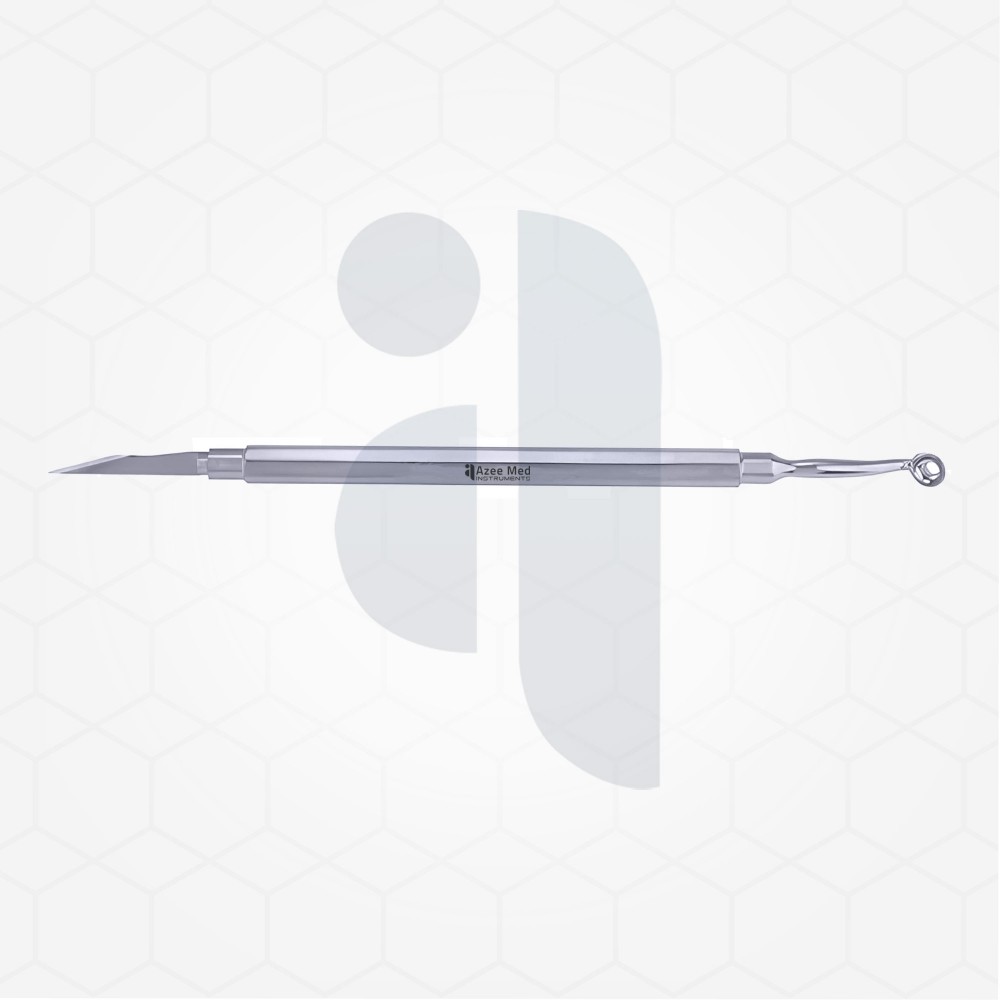
Extractors are function-specific general surgery instruments crafted to remove surgical material, debris, and foreign bodies from the surgical site. Generally, surgeons have them in a general surgery instrument tray for prompt availability of the tool.
In general surgery, surgical extractors complement grasping tools. You can frequently spot these tools in the general surgery instruments' names or a set list.
This resource guide will help you go through the types, uses, and features of surgical extractors. Continue reading to explore!
What are the major types of General Surgery Extractors?
What distinctive features do Extractors have that set them apart?
Below is a quick overview of distinctive features of extractors that practically set them apart:
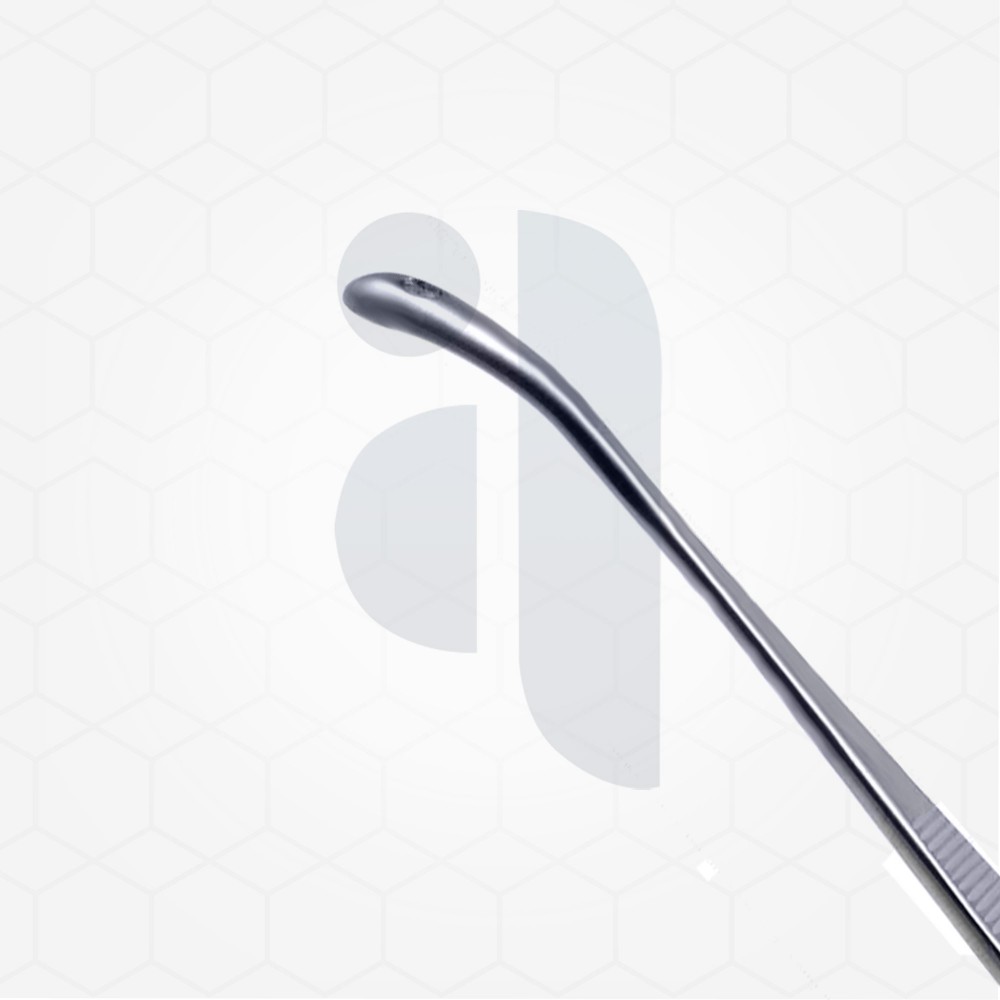
Specialised Jaws and Design: Surgeons can have surgical extractors in either round jaw designs or serrated pattern. The former protects the healthy tissues, while the latter keeps the grip firm.
Construction Material: Surgical extractors use high-grade German stainless steel. This helps keep the medical tools in their right form.
Easy Access: Usually, different lengths ranging from ranging from 25–38.5 cm cater to the different needs of the body cavities.
Handles: All general surgery extractors have designated spots for surgeons to hold. This helps keep surgeon fatigue at a distance.
FAQs
Q1: What’s the role of Extractors in General Surgery Instrument Sets?
Whether it is a complex general surgery instrument set or a basic for everyday surgeries, extractors complement the procedure by allowing the surgeons to remove any unwanted object from the operative field.
Q2: What other functions does a surgical extractor perform?
Apart from extraction, extractors help prepare surgical sites and keep the surgical surface clean.
Q3: How to choose the right surgical extractor from your general surgery instruments set?
To choose the right surgical extractor, first decide on what needs to be removed from the surgical site. After that choose a tip design; looped for deep areas and fine for small work.
Q4: How to keep your general surgery instruments set maintained?
You can keep your general surgery instrument set maintained by properly cleaning it after every use. Follow the guideline that comes with every surgical instrument.
Q5: What to do if a surgical extractor breaks?
If a surgical extractor breaking during the operation, remove it immediately. Look for any broken pieces and radiograph the surgical area carefully. Lastly, document and notify the incident to the concerned authorities.
Get to know AzeeMed Instrument’s Range of General Surgery Instruments
AzeeMed Instruments supplements surgical practice with their range of common general surgery instruments. This resource guide provides a handy supplement to know different types, uses, and features of extractors. In case of any confusion, hit us up now!