
Dental Elevators
Dental elevators are surgical instruments that are used to lift and loosen teeth from the socket and remove roots in extraction surgeries. This handheld tool offers different working ends for soft tissue manipulation during the procedure. To choose the right one, consider the type of teeth and the depth of the tissue.
Azeemed Instruments provides dental instruments in German stainless steel in different constructions for the best results.
Construction of Dental Elevators
The structure of a dental elevator consists of three parts, which include the handle, shank, and the end or tip. The handle is responsible for a controlled grip, and the shank joins the tip at an angle. Finally, the working end, or the tip, of a tooth elevator is the main part that helps in the lifting and loosening of the teeth.
A special type of periosteal elevator is the Molt 9 periosteal elevator that offers a dual-end construction with an exact tip for separating tissues and flaps from the hard tissue. These provide controlled handling without putting excess pressure on the teeth.
Dental Elevators Chart
| Instrument | Configuration | Uses |
| Dental Extraction Elevator | Features a working tip to engage around teeth or roots. | Loosening teeth and supporting extraction procedures. |
| Molt 9 Periosteal Elevator | Follows the Molt-style for controlled tissue elevation. | Reflecting soft-tissue flaps to expose bone. |
| Dental Elevator | Features a shaped working end for controlled lifting. | For loosening teeth for root elevation during extraction. |
| Woodson Stainless Steel Elevator | Features a flat working end and a sharper second end. | Manipulating tissue and dissection in surgical procedures. |
| Molt Periosteal Elevator | Features two ends for periosteal separation and gum tissue retraction. | Elevating mucoperiosteal tissue during dental surgery. |
| Cogswell B Dental Elevator | Features a technical working end for deep dental reach. | Elevating teeth or roots, depending on its model. |
How to Choose Dental Elevators
The following factors should be considered before getting dental elevators:
- Align the tip pattern and size with the tooth, root, and tissue in the procedure.
- Choose the handle grip and the jaw angle for comfortable movement.
- Select a toothed tip for a stronger grip.
- Choose flat tips for fine tissues and root shape.
- Choose the style and dimensions for extraction or other procedures.
- Select reusable, autoclavable construction for reprocessing.
- Check the customization options.
- Choose a tungsten-carbide and German stainless steel build for reprocessing.
- For bulk orders, confirm certifications of the dental forceps manufacturer.
Pair with other dental surgical instruments
Pair dental elevators with dental instruments such as extraction forceps, tissue retractors, and other oral surgical instruments depending on the procedure. You can shop these instruments from Azeemed Instruments in different constructions and styles to add to your set.
FAQs
Q1: What are dental elevators used for?
Dental elevators are surgical tools that are used for loosening teeth to separate tissue from the bone in extraction procedures.
Q2: Woodson elevator vs. Molt 9 periosteal elevator: What is the difference?
Molt #9 periosteal elevator is a heavy surgical instrument for tissue reflection and lifting during extraction procedures. Whereas the Woodson elevator is a lightweight dental instrument for fine tissue manipulation.
Q3: What is a periosteal elevator and its uses?
A periosteal elevator is a surgical instrument that is used for lifting, separating, and reflecting the periosteum away from the bone in a procedure, which is a thin connective tissue covering the bone.
Q4: Can I get dental elevators in German stainless steel??
Yes. You can get these instruments from a certified manufacturer in German stainless steel in different sizes and constructions. https://azeemed.com/
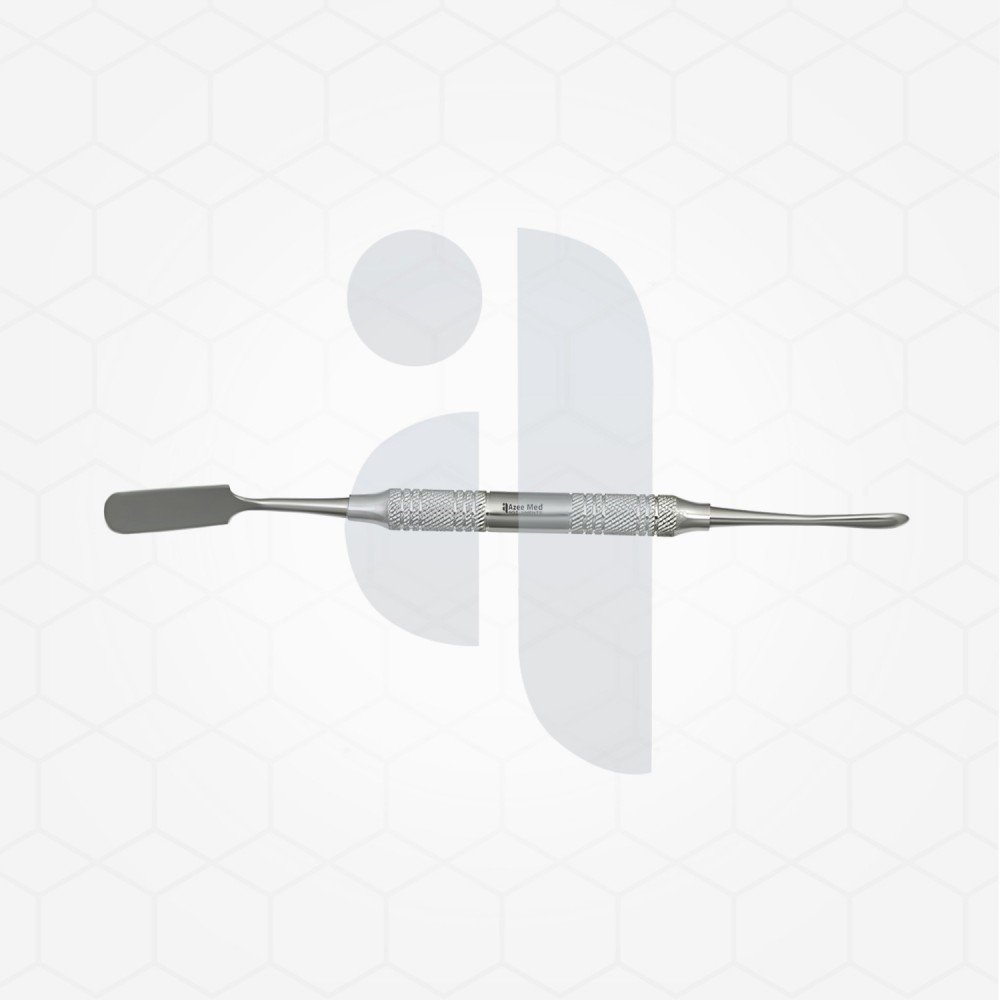
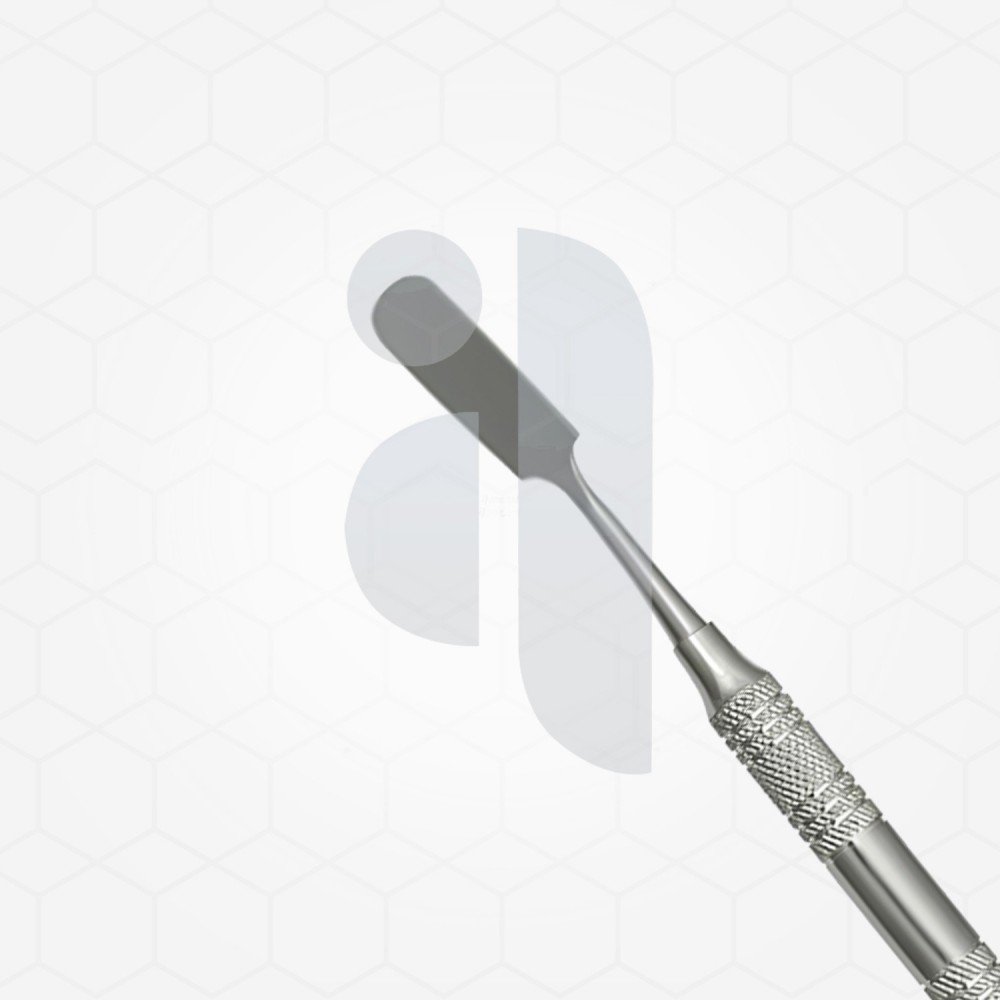
Brand: AzeeMed Instruments
Model: AZM6735009
3 Prichard Periosteal Elevator #1Double-endedBroad, rounded rectangular end & straight spoon endUsed during surgical procedures to detach and lift soft tissue from the boneWarranty: Our Instruments are well known for their role in enhancing surgery results with their long lasting ability to..
$50.50
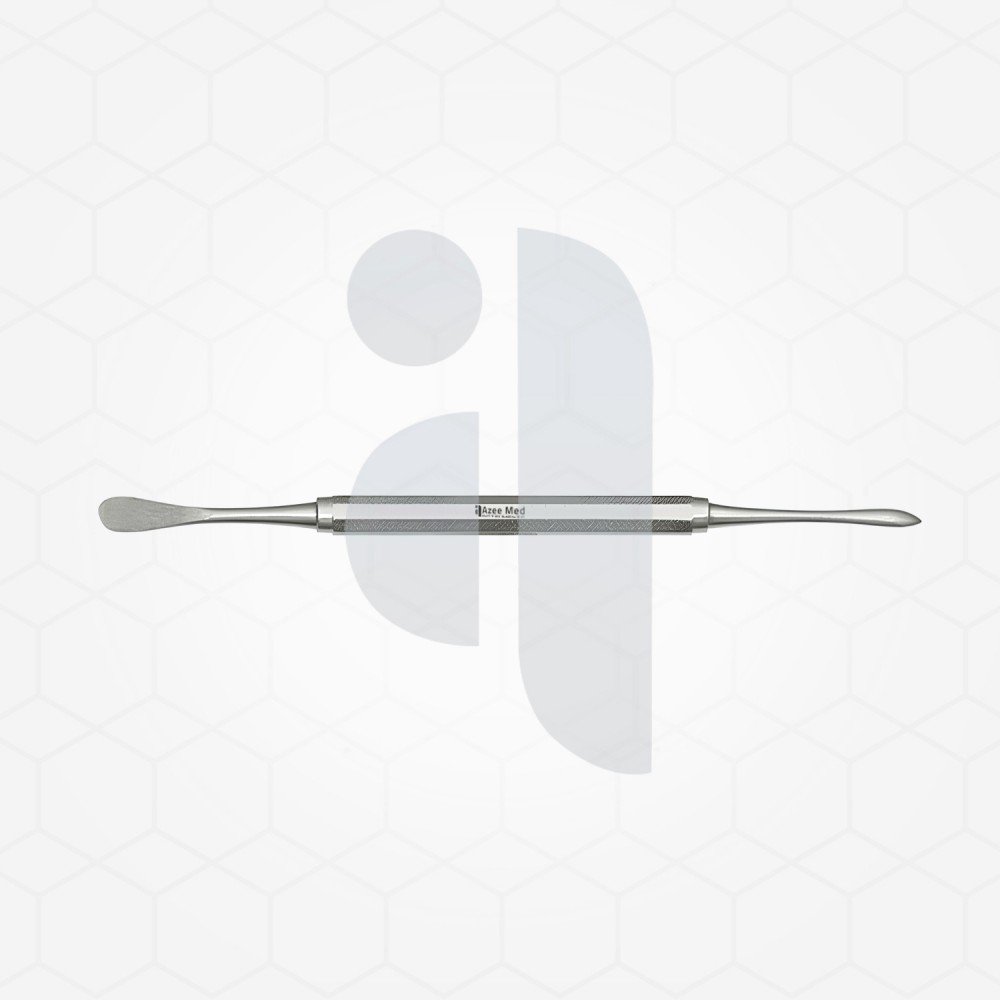

Brand: AzeeMed Instruments
Model: AZM6734979
Dental 9 Molt ElevatorUtilized in oral/maxillofacial surgery for soft tissue manipulationA tool used for elevating and separating the periosteum from the boneUsed in the procedure of extracting teeth and other surgical operationsComes with a sturdy and sharp blade for effective liftingConstructed wi..
$50.50
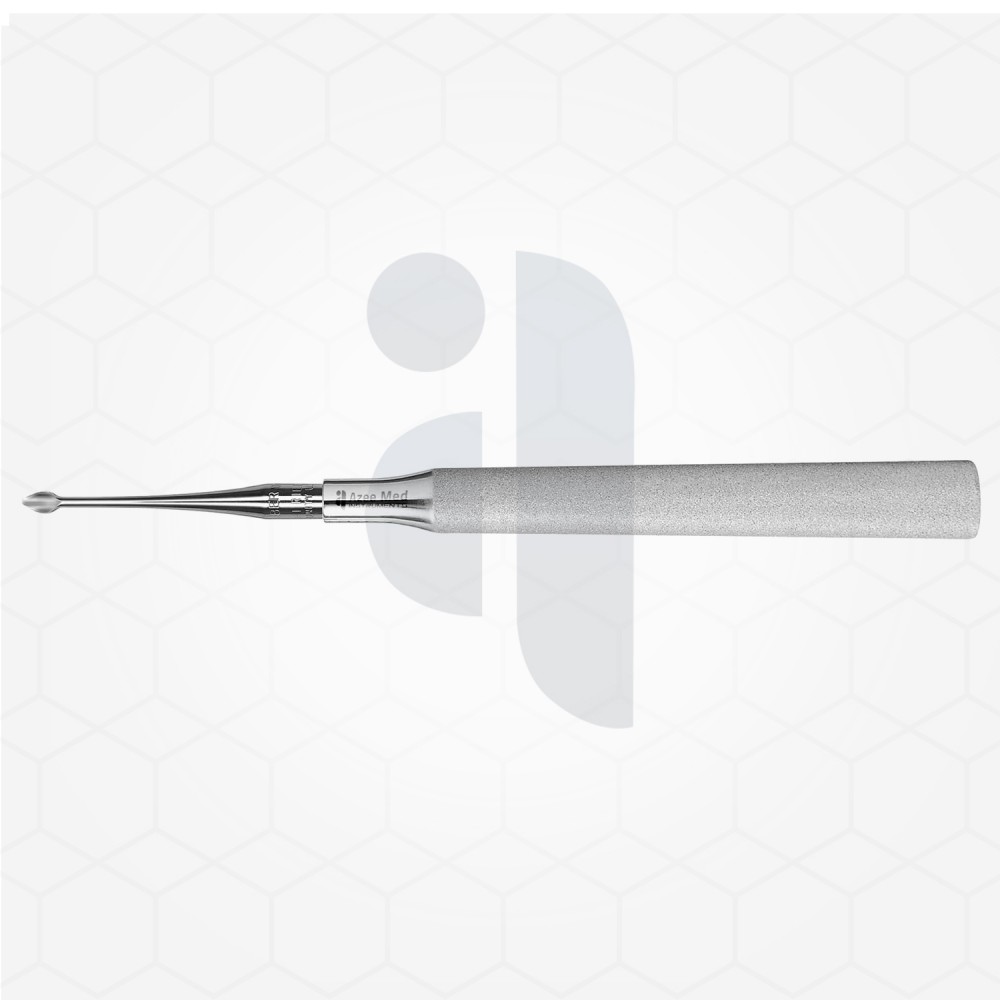
Brand: AzeeMed Instruments
Model: AZM104765
Bernard Root Elevator (Syndesmotome)This Instrument is effective for elevation and detachment of the periosteum during dental surgeries.Ergonomic Handle enhanced grip and control, reducing hand fatigue during prolonged procedures.This Elevator is Available in various types to accommodate different s..
$28.99

Hot
Brand: AzeeMed Instruments
Model: AZM1047672
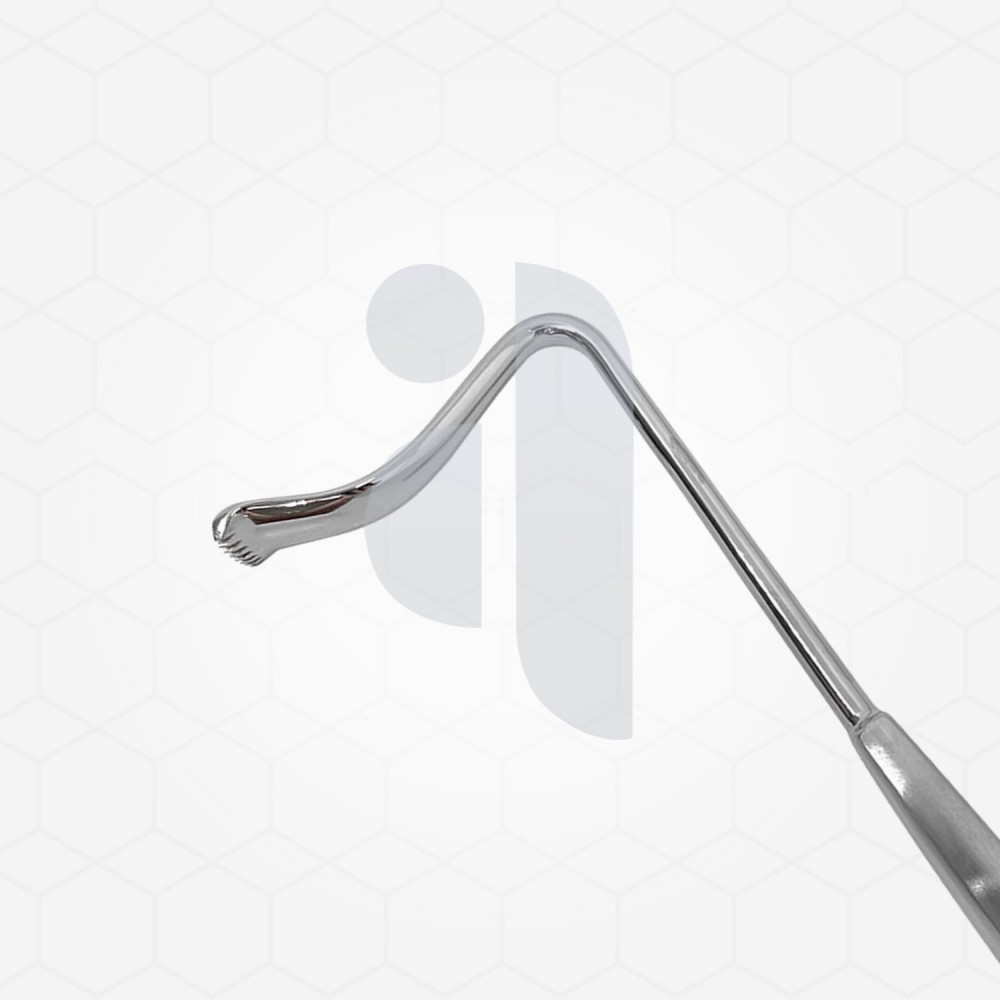
Henry RetractorThe Primary use is to provide maximum exposure of the wisdom teeth for their further removal.Features a convex blade that curves forward, which ensures deeper surgical approaches.\The blade’s terminal descendent lip has serrations to hold tissues with enhanced precision.Bowdler-Henry ..
$59.99
Brand: AzeeMed Instruments
Model: AZM78289
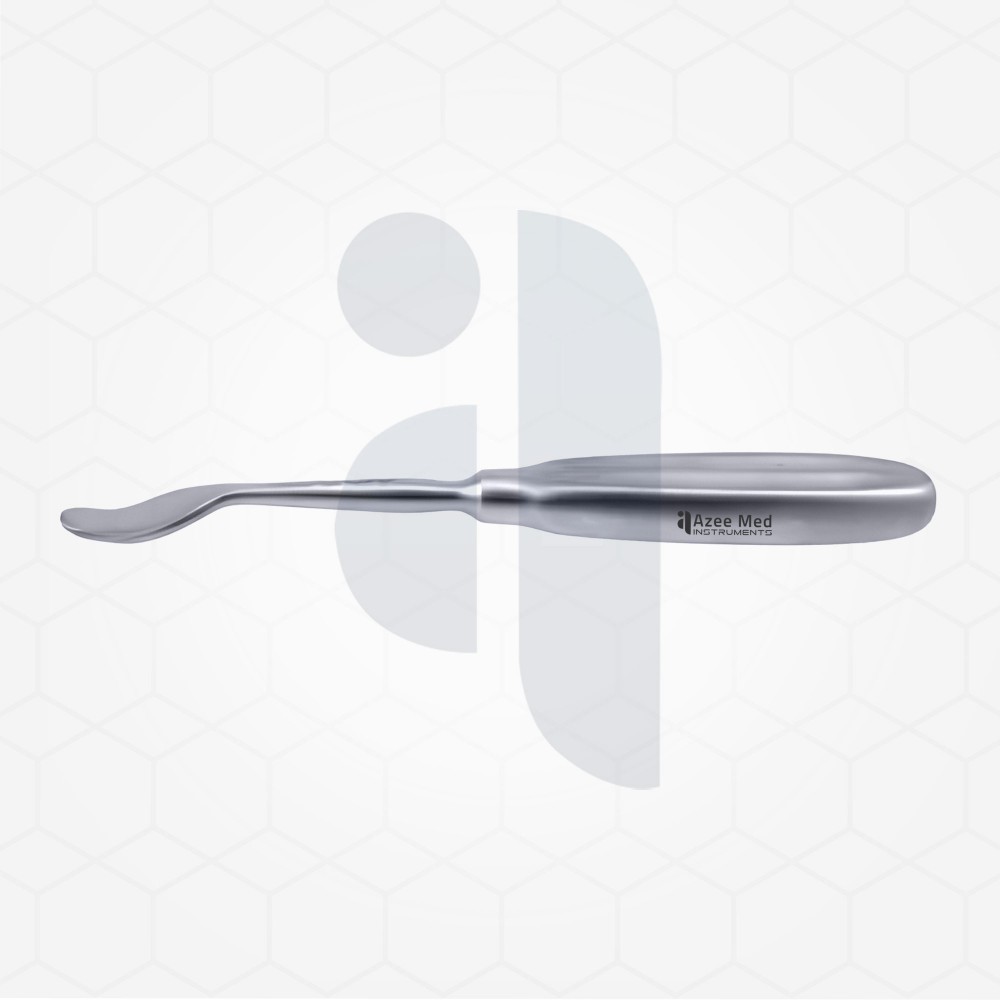
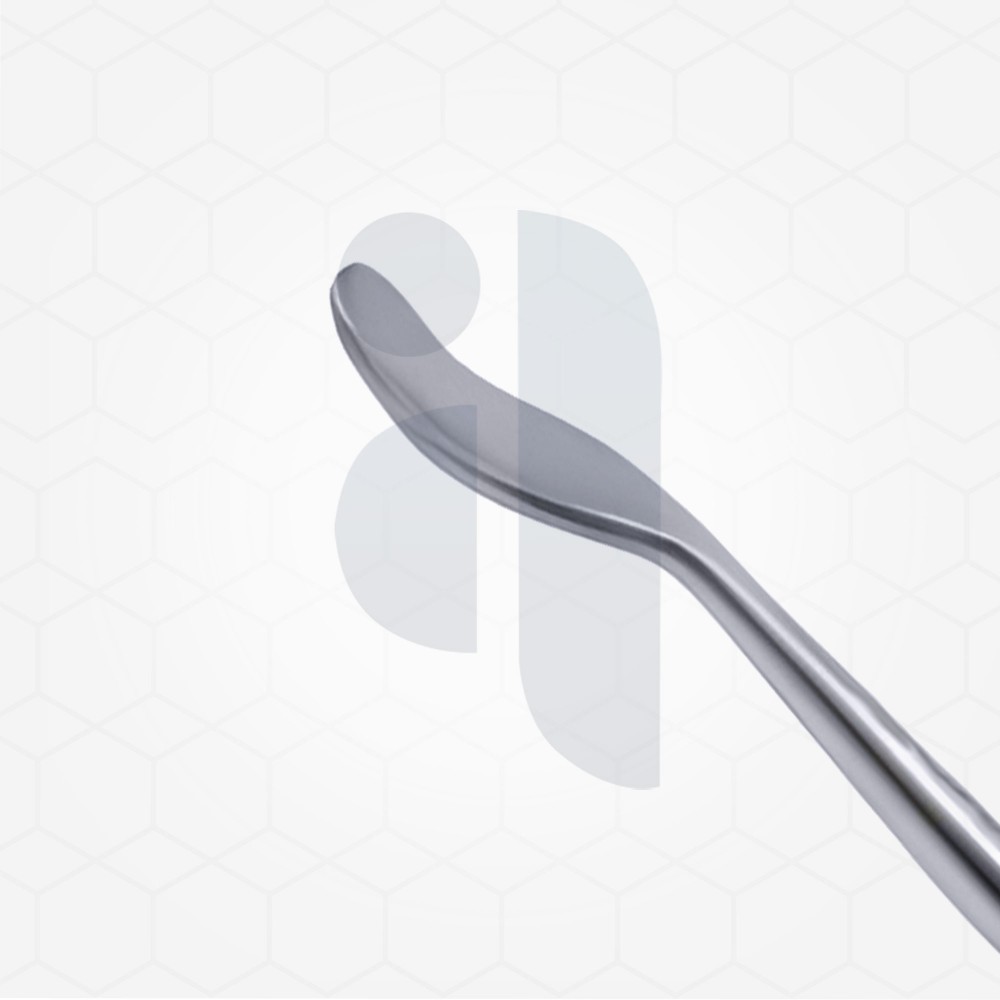
Chandler Bone ElevatorCommonly used for performing surgeries.Allowing surgeons to effectively elevate bonesManipulate the bone without causing damage.Guarantees the accuracy of its usage during surgery.Provides a better level of stability.Warranty: Our Instruments are well known for their role in en..
$52.00
Brand: AzeeMed Instruments
Model: AZM78287
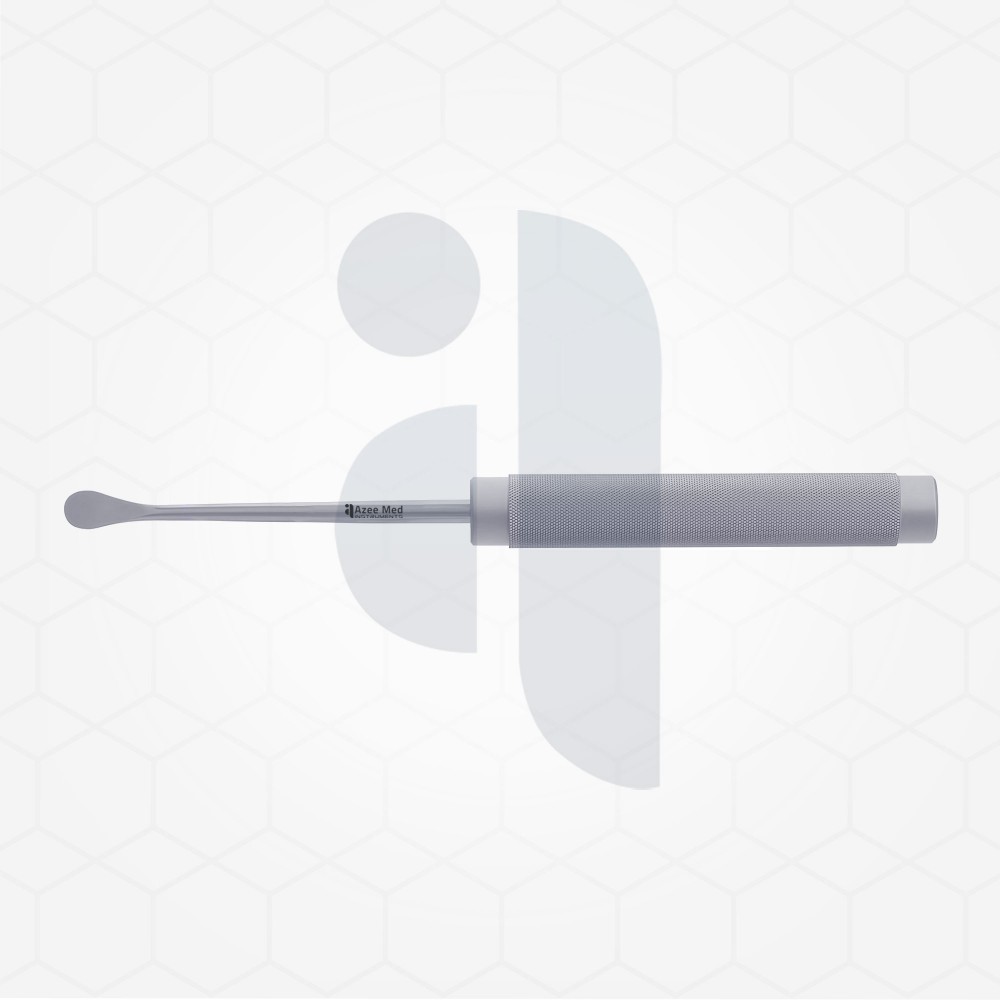
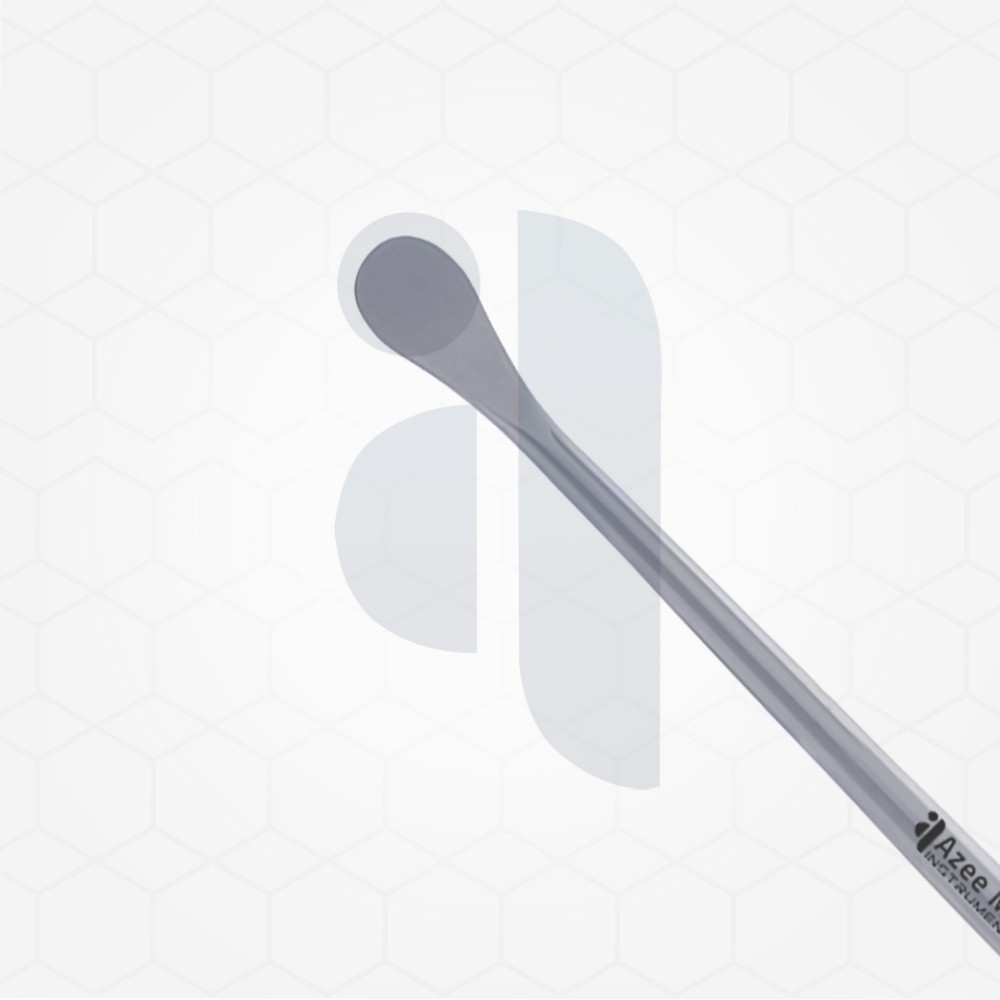
Cobb Spinal ElevatorUsed in spinal surgery to manipulate soft tissues accurately.Elevating and dissecting tissues during surgery.Gives the opportunity to choose which diameter is required.Provides better grip during use.Mainly used in oral surgeries.Warranty: Our Instruments are well known for their..
$53.99

Brand: AzeeMed Instruments
Model: AZM78290
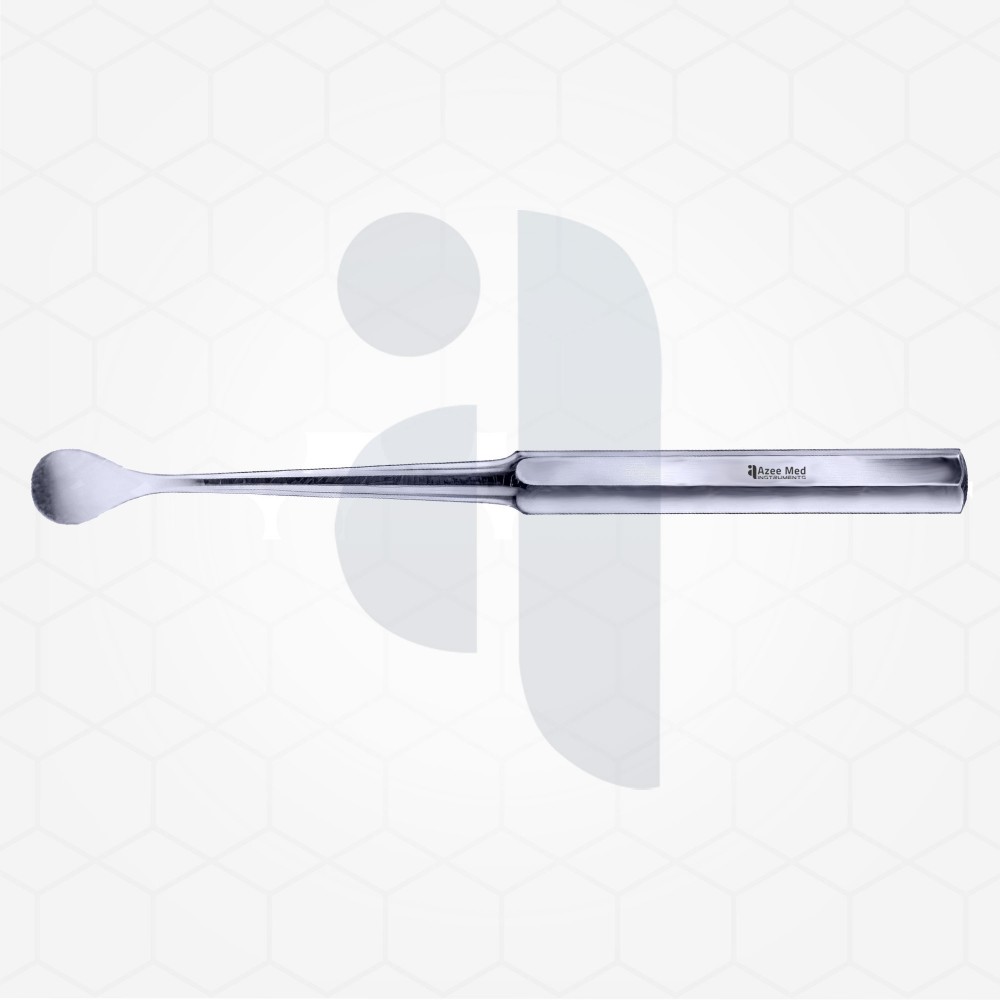
Cobb Spinal ElevatorUsed in spinal surgery to manipulate soft tissues accurately.Elevating and dissecting tissues during surgery.Remains steady throughout the procedure.Guarantees durability and rust-resistance.Provides a better level of stability.Warranty: Our Instruments are well known for their r..
$59.00

Brand: AzeeMed Instruments
Model: AZM78291
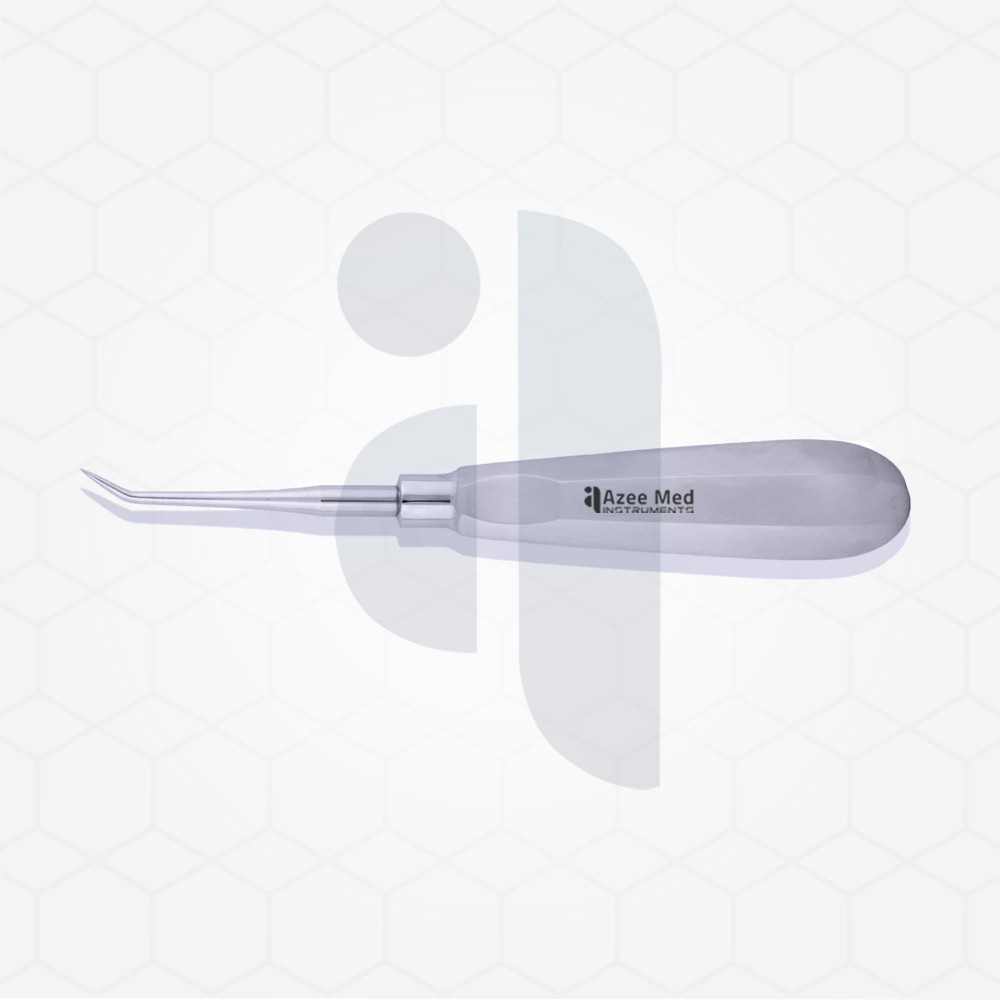
Cogswell ElevatorDesigned for precision, reliability, and efficiency.Ideal for handling complex dental cases.Offers durability, corrosion resistance and dependable performance.Provides better grip and minimizes hand strain.Can easily reach different areas in the mouth.Warranty: Our Instruments..
$49.99
Brand: AzeeMed Instruments
Model: AZM78288
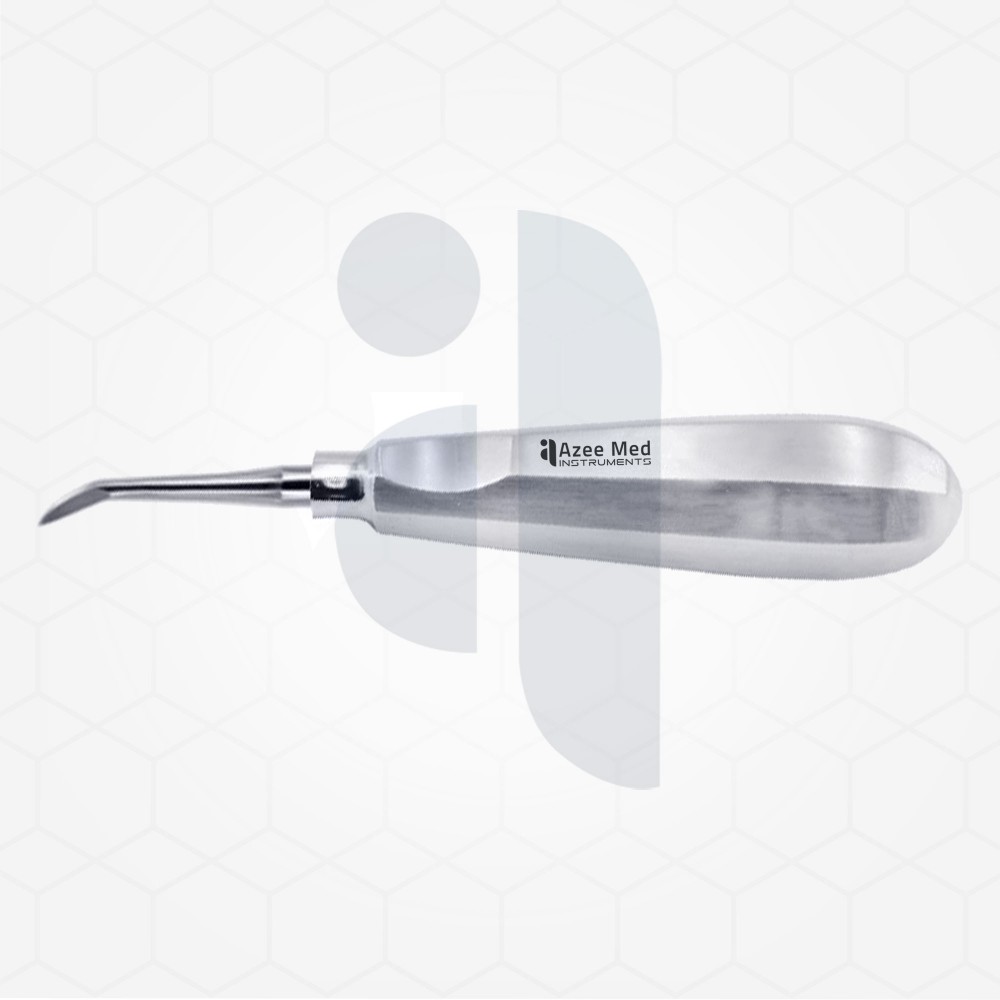
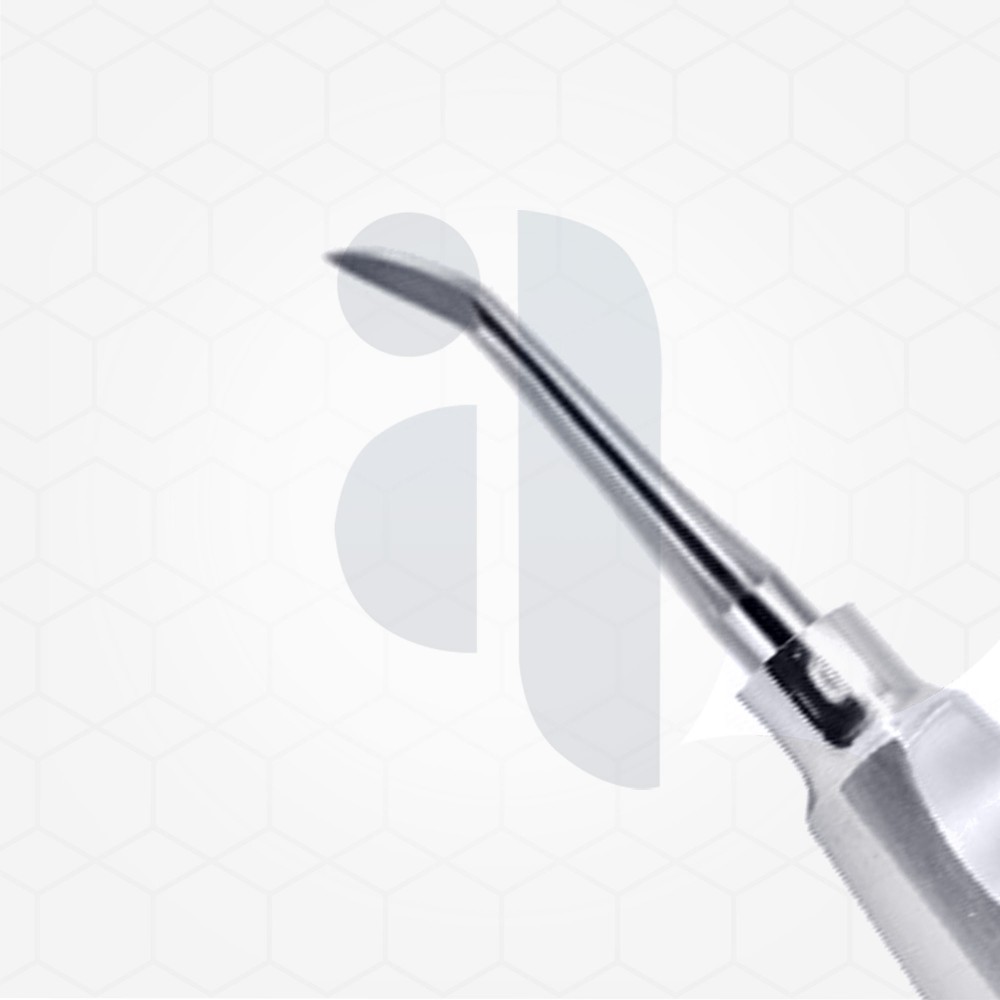
Crane Pick ElevatorPrecision instruments used in dentistry.Useful in manipulation and tooth extraction procedures.Controlled access in difficult sites.Very suitable for lifting teeth and removing roots.Allows for good control of the tool.Warranty: Our Instruments are well known for their role in enh..
$51.99
Brand: AzeeMed Instruments
Model: AZM78280
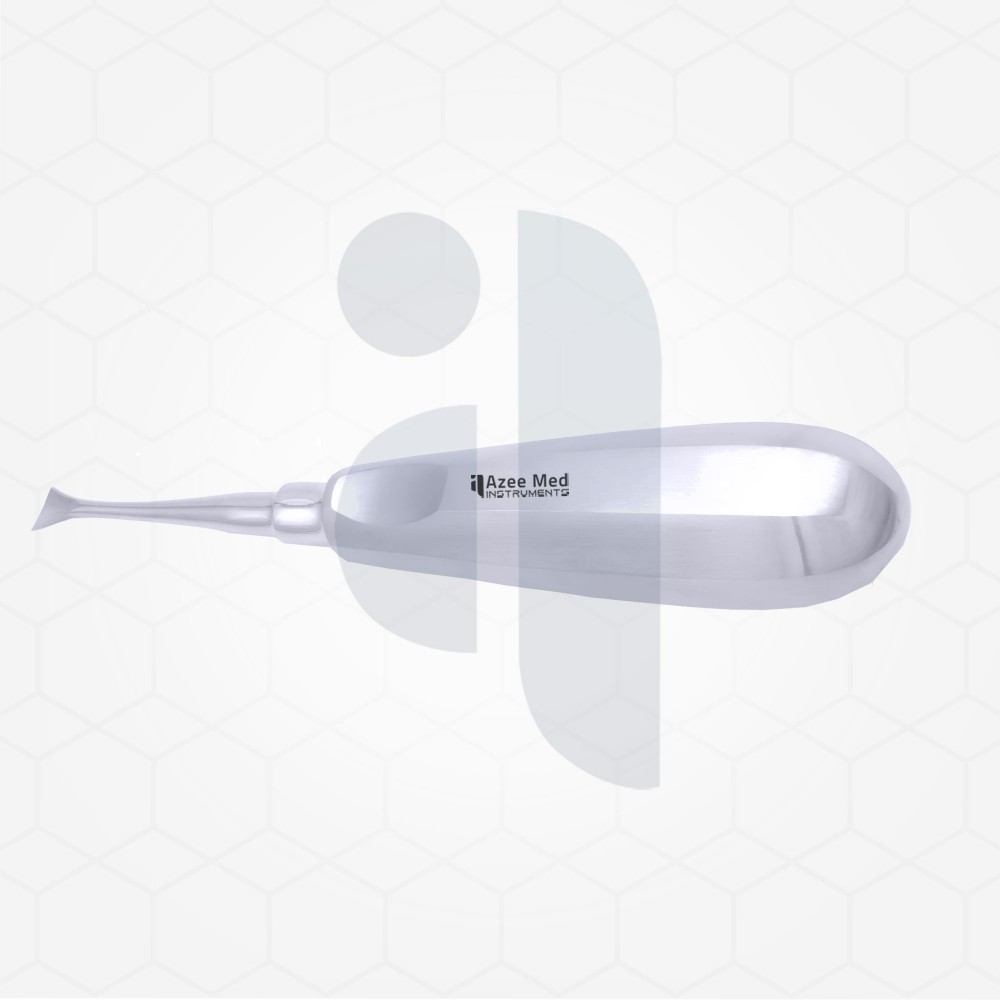
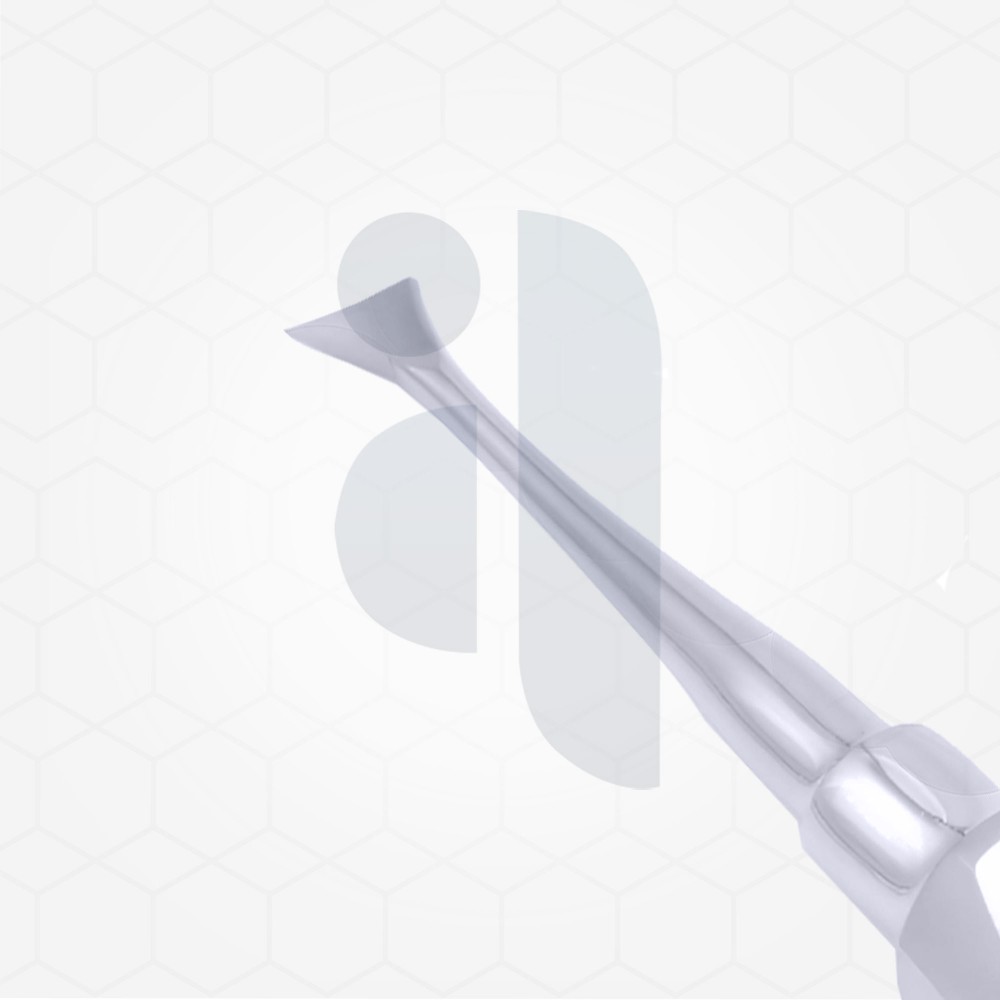
Cryer ElevatorMakes tooth extraction more efficient and effective.Easy to remove damaged roots and teeth.Provides good traction and makes sure there is no slippage.Improved control for the dentists .Improves the stability and comfort of the dentist.Warranty: Our Instruments are well known for t..
$62.00

Brand: AzeeMed Instruments
Model: AZM78286
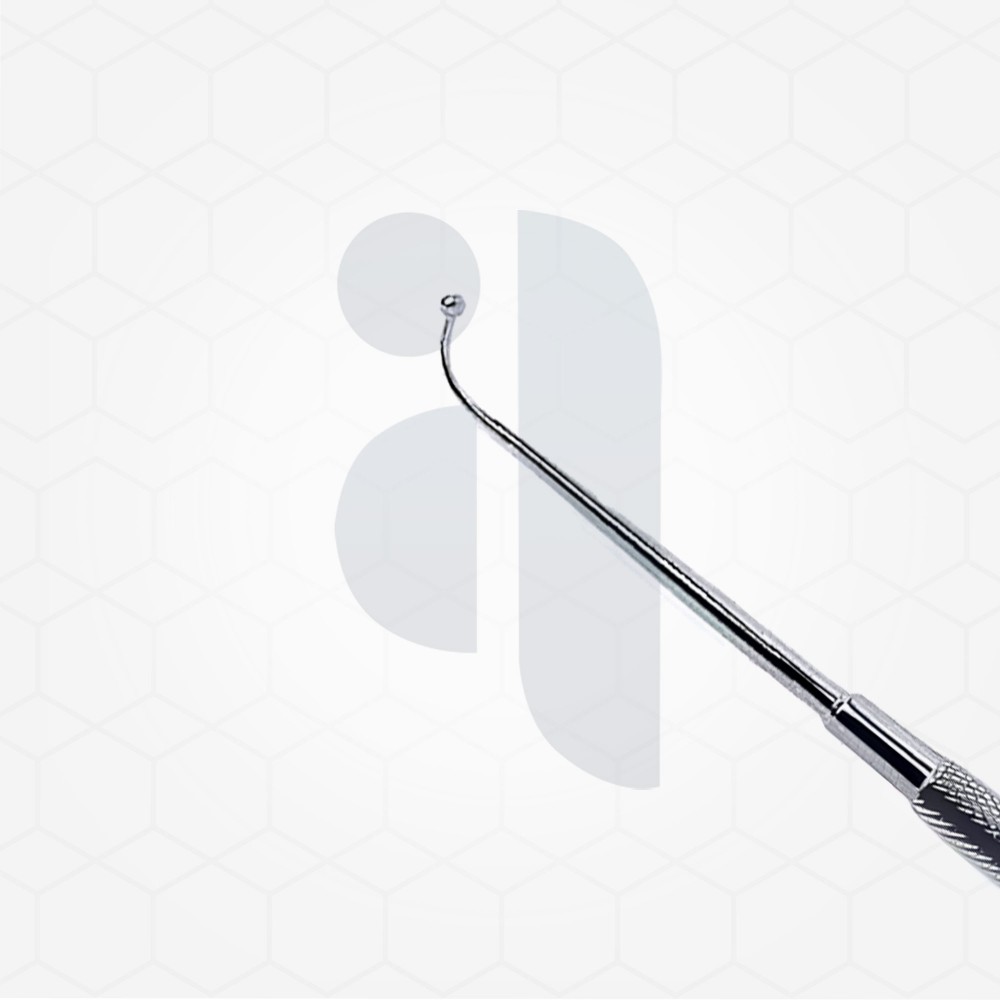
Double-Ended ElevatorDesigned to help the elevate tissues.Elevating and dissecting tissues during surgery.Gives the opportunity to choose which diameter is required.Provides better grip during use.Mainly used in oral surgeries.Warranty: Our Instruments are well known for their role in enhancing surg..
$51.99

Brand: AzeeMed Instruments
Model: AZM78292
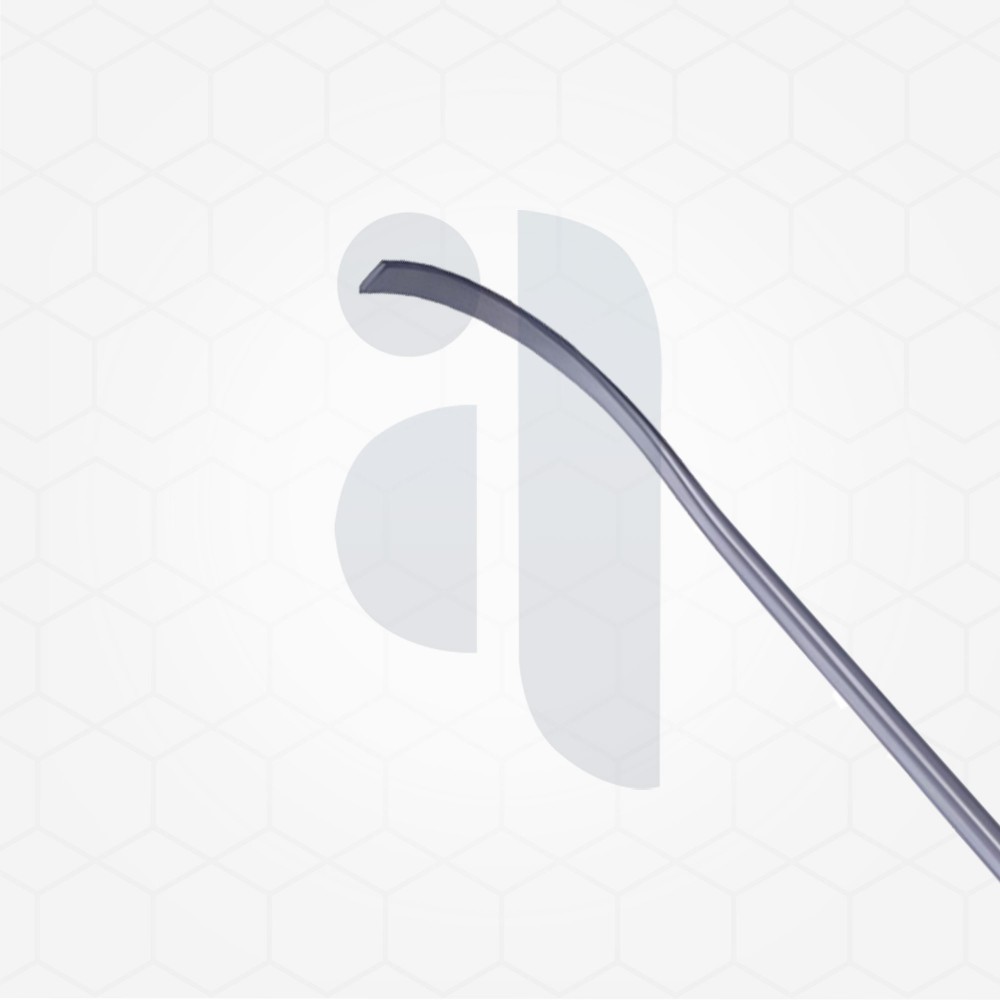
Ganz ElevatorIdeal for an orthopedic procedures.Commonly utilized in dental surgery.Permits an accurate incision and better access.Guarantees a smooth cutting and lifting of soft tissues.Provides a better level of stability and excellent comfort.Warranty: Our Instruments are well known for thei..
$51.99


Brand: AzeeMed Instruments
Model: AZM6734988
Dental Grisdale Bone CondenserDouble EndedAvailable in 2mm/3mm4 mm Bone grafting plugger used during grafting procedures with 8-10-13-15-18 mm markings.Warranty: Our Instruments are well known for their role in enhancing surgery results with their long lasting ability to withstand steriliz..
$50.50


Brand: AzeeMed Instruments
Model: AZM6734989
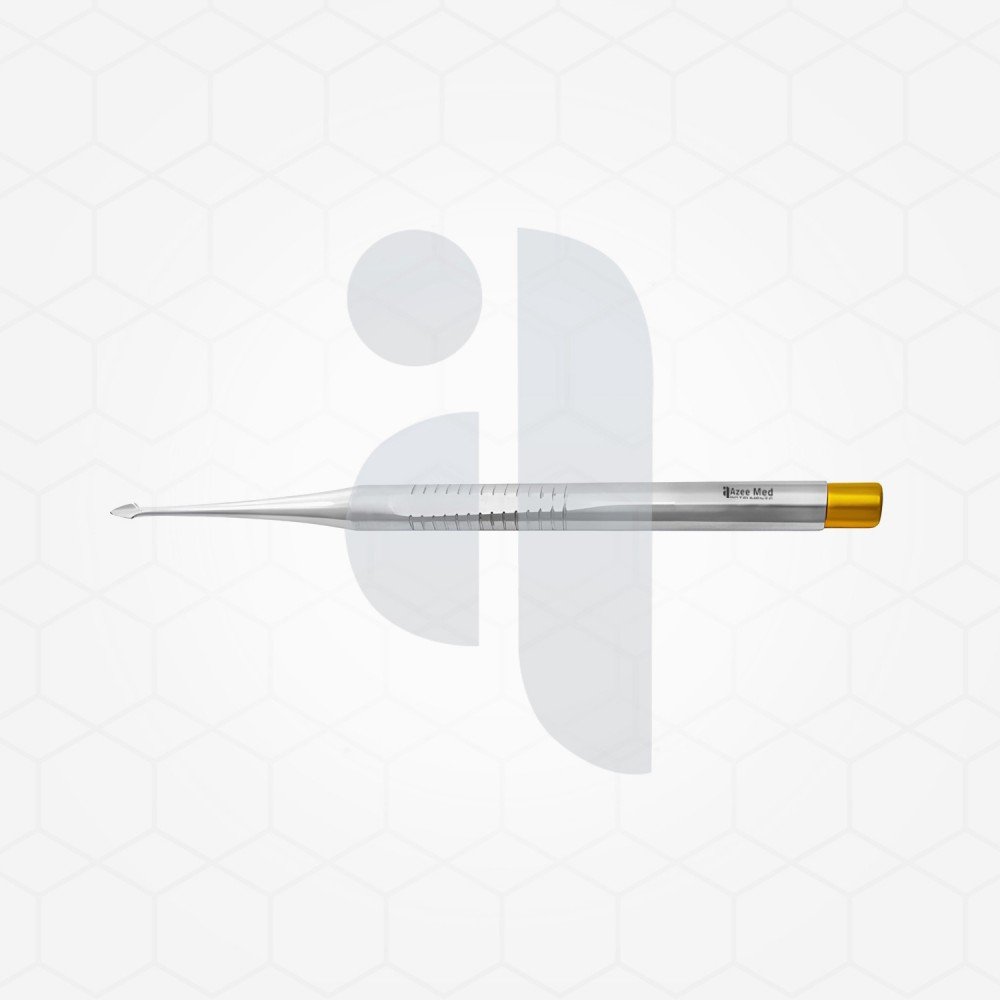
Dental Periosteal ElevatorDouble EndedSmall, Curved Spoon end & Sharp Pointed EndUsed in bone to condense bone to create greater primary stability for implantsWarranty: Our Instruments are well known for their role in enhancing surgery results with their long lasting ability to withstand st..
$50.50
Brand: AzeeMed Instruments
Model: AZM6734976
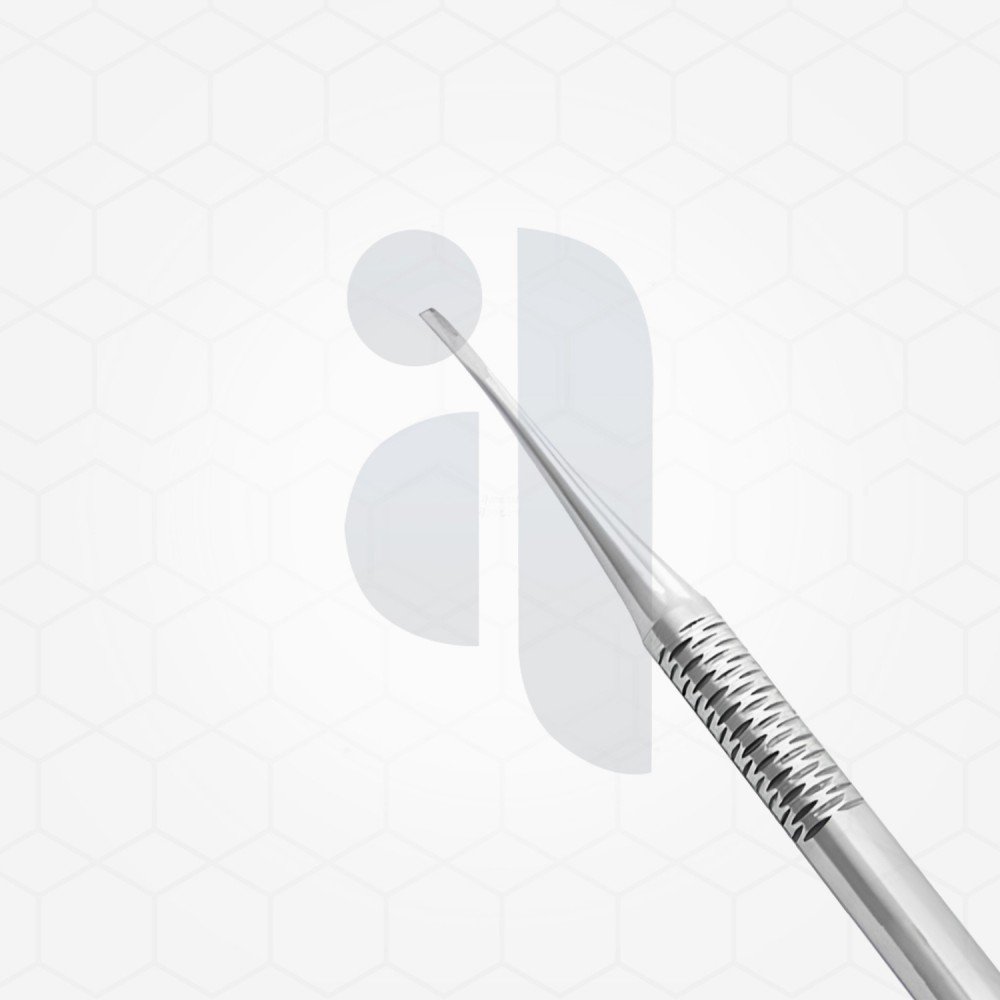
Dental Hybird Spade TipUsed for cutting the periodontal ligament (PDL) that surrounds the toothCan be used for loosening teeth prior to extractionA tool for performing atraumatic tooth extractionsCan separate the soft tissue from the toothHelps to protect the adjacent bone and gingival tissueAids in..
$70.50

Brand: AzeeMed Instruments
Model: AZM78284
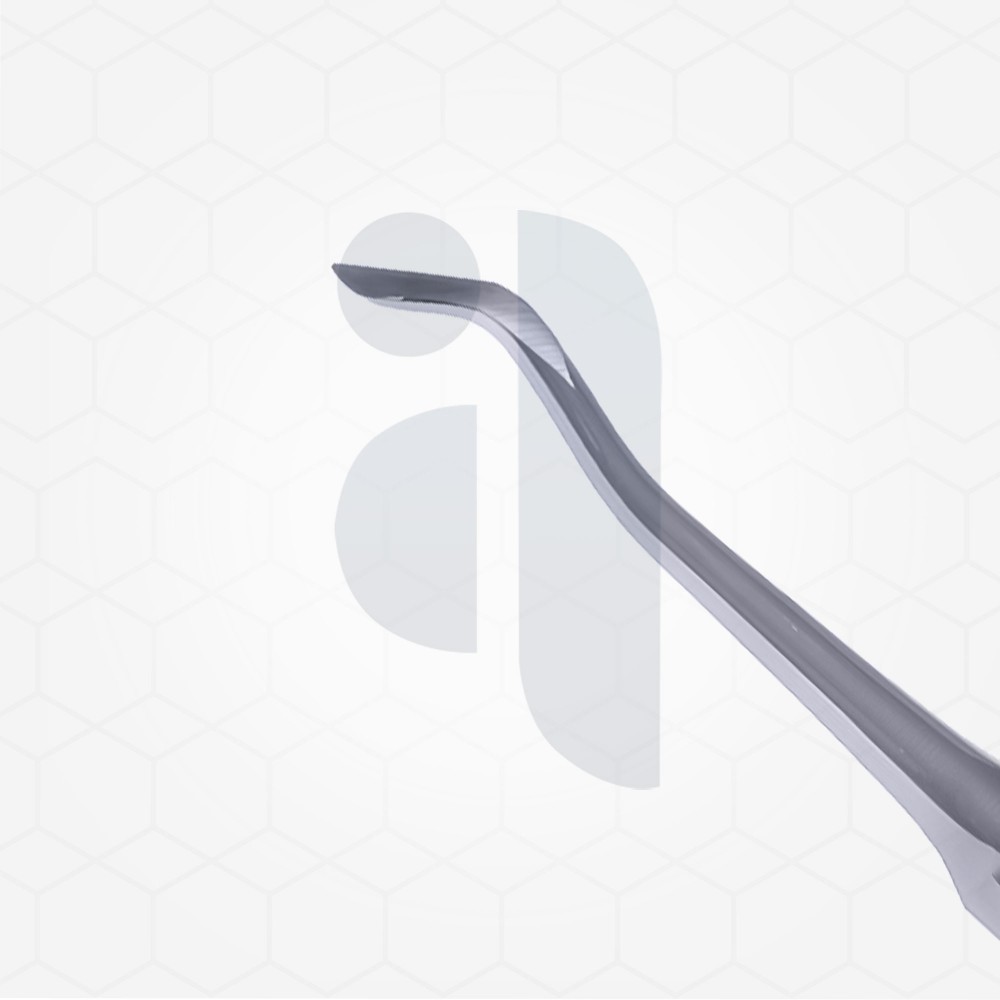
Oral Surgery Elevator Designed to remove the fractured or broken root tips below the gum.Perfect for losing or removing oral fragments.Suitable for upper anterior roots and small teeth.Allows for maximum grip stability and prevents any slippages.Design enables precise dental extraction without ..
$55.99
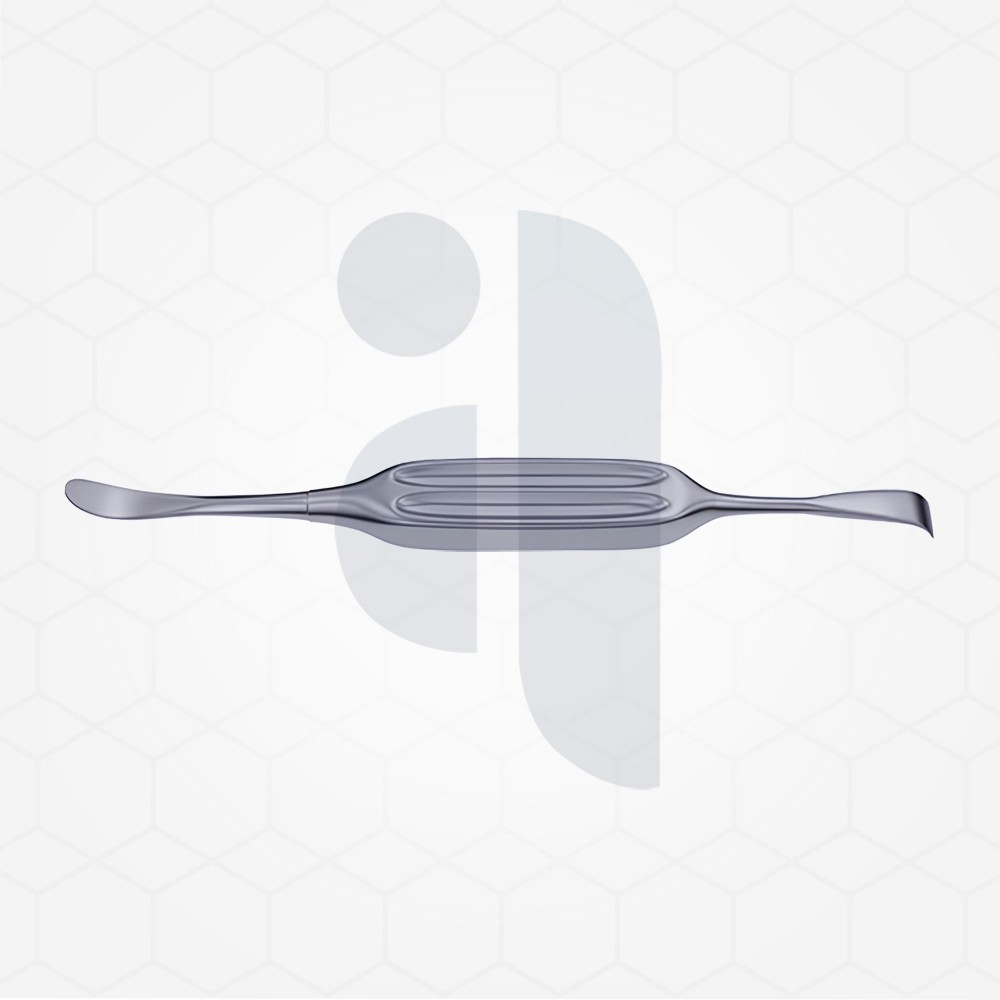
Brand: AzeeMed Instruments
Model: AZM78281
Overholt Periosteal ElevatorUsed to lift soft tissue off of the underlying bone.Have a wide range of uses.Protect the nerves and arteries that pass through tissues layers.Provides a comfortable, secure grip.Enhanced control and reduced hand fatigue.Warranty: Our Instruments are well known for their ..
$58.99
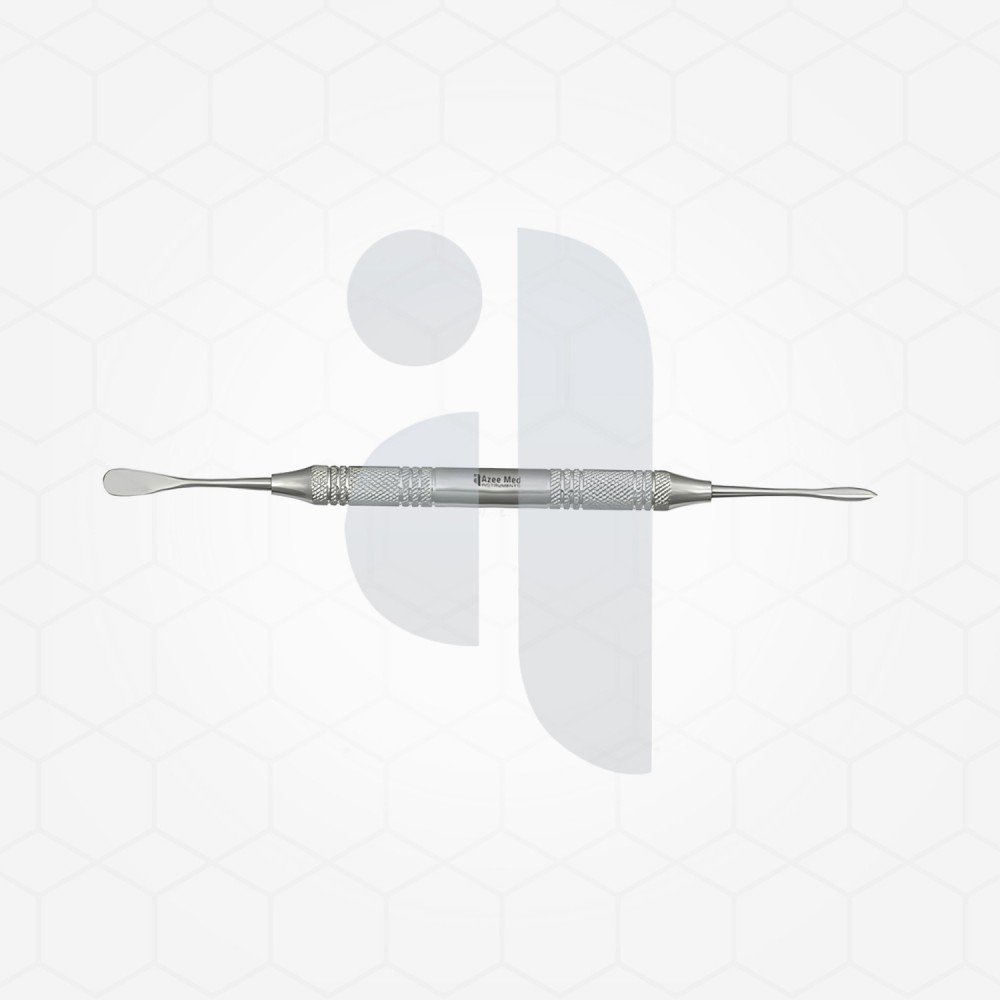
Brand: AzeeMed Instruments
Model: AZM6734949
Kramer Nevins Elevator #1Double EndedLarge Rounded Spoon End & pointed Spoon EndMade from high-quality surgical grade stainless steel, the forceps feature a solid handle for comfort and a satin finish to reduce glare from surgical lights.These instruments are autoclavable and suitable for repeat..
$35.50
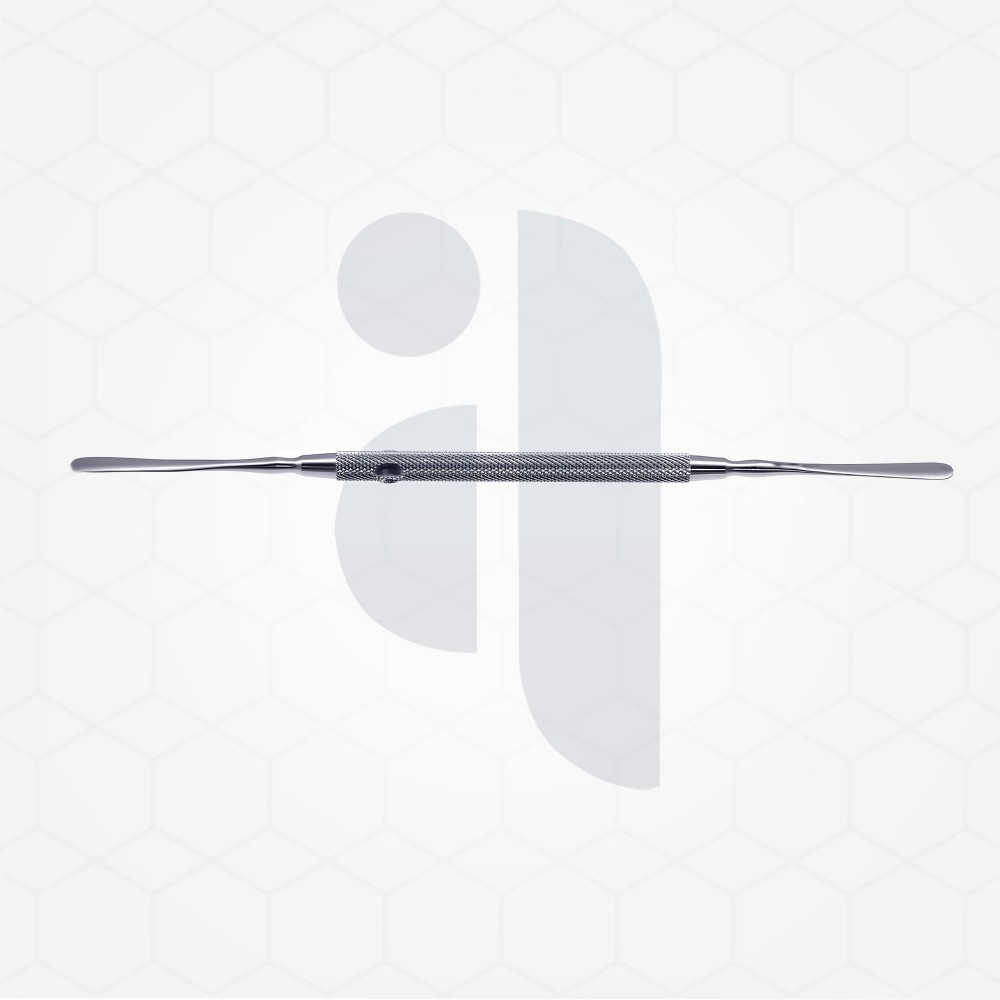
Brand: AzeeMed Instruments
Model: AZM78282
Staphylorrhaphy ElevatorDesigned to facilitate efficient elevation of tissues.Have a wide range of uses.Protect the nerves and arteries that pass through tissues layers.Provides a comfortable, secure grip.Enhanced control and reduced hand fatigue.Warranty: Our Instruments are well known for their ro..
$54.99
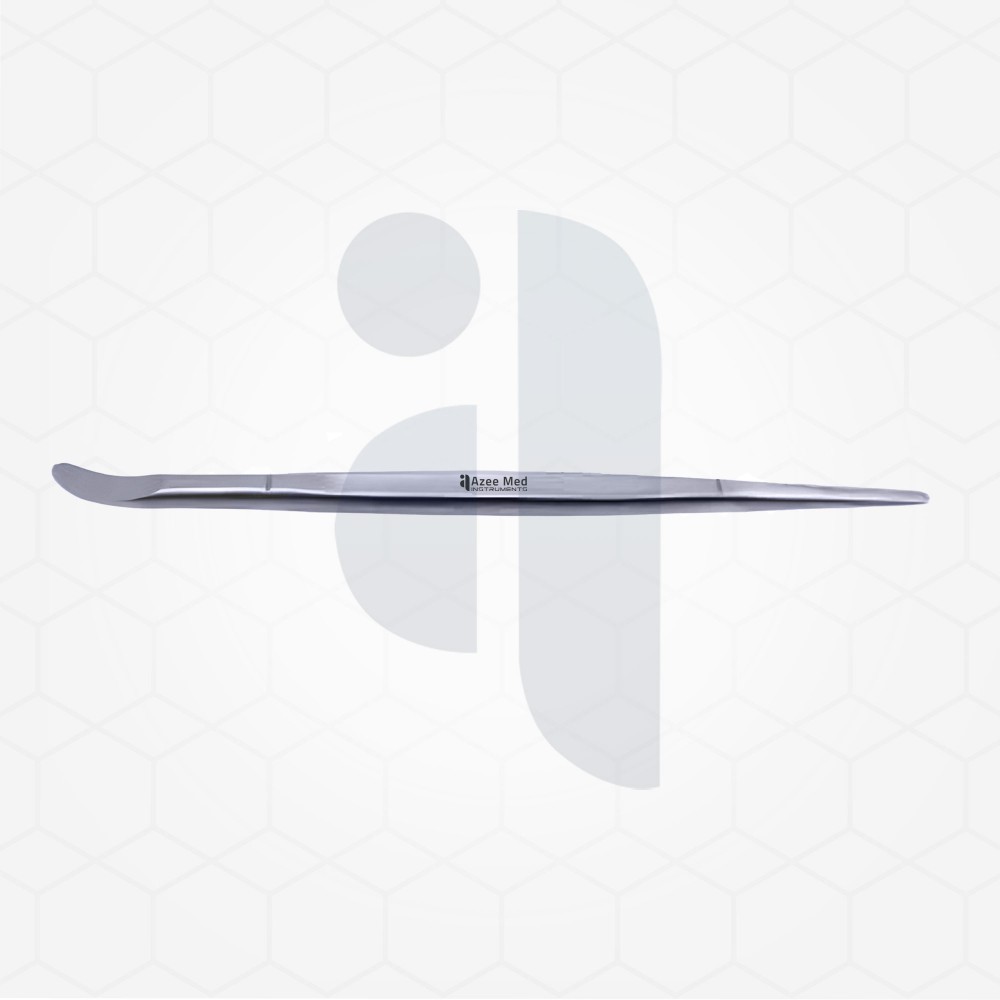
Brand: AzeeMed Instruments
Model: AZM78295
Sayre Periosteal ElevatorPart of oral, maxillofacial, and orthopedic surgeries.Perform soft tissue periosteal elevation.Facilitate easy management and use.Device lifts the periosteum gently from bones.Allows users to hold the instrument comfortably.Warranty: Our Instruments are well known for their ..
$45.11


Brand: AzeeMed Instruments
Model: AZM1047471
Scalpel HandleThe Primary use is to provide a secure way to hold scalpel blades during surgery.Features a slotted tip with a specific size to carry certain blade models.The handle includes a 60mm measuring range that surgeons can use to mark different sites over the skin.Scalpel Handle No 3 CM Gradu..
$39.99
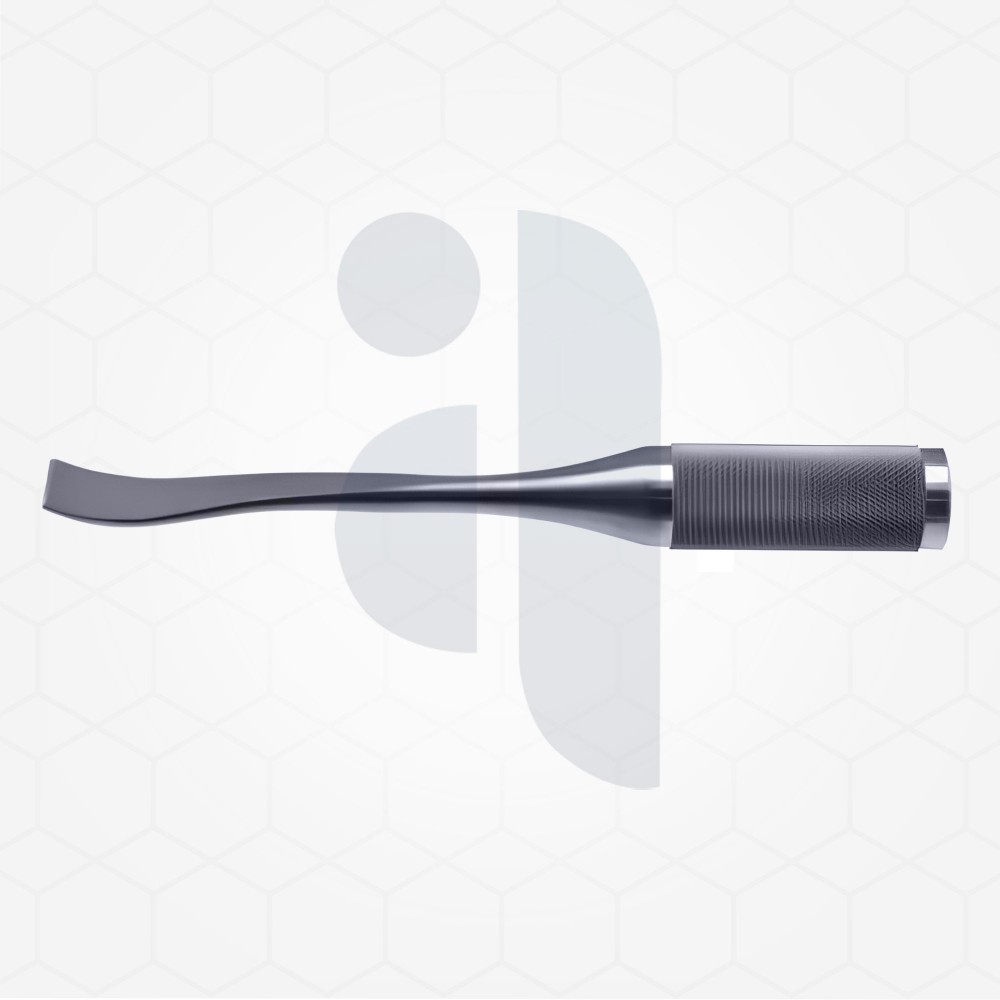

Brand: AzeeMed Instruments
Model: AZM78285
Scott-McCracken ElevatorDesigned to help the elevate tissues.Makes access and manipulation easy and precise.Providing better visualization during operations.More comfortable for both surgeon and patients.Allows for better holding of the elevator.Warranty: Our Instruments are well known for their rol..
$56.00
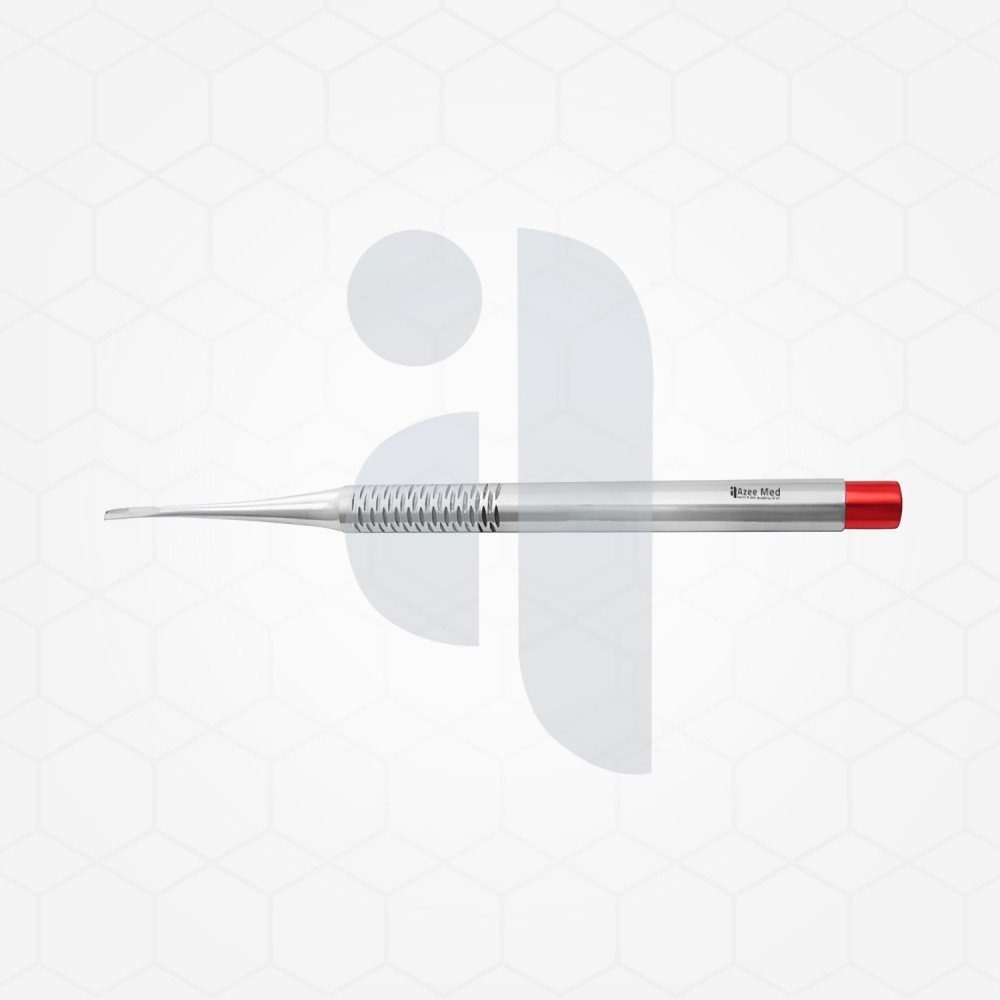
Brand: AzeeMed Instruments
Model: AZM6734982
Dental Small Curved HyberUsed in dentistry for atraumatic tooth extractionDesigned to cut periodontal ligament and loosen teeth gentlySmall curved tip helps access difficult and posterior areasMinimizes damage to bone and surrounding soft tissueMade of high-quality stainless steel, autoclavable and ..
$65.50

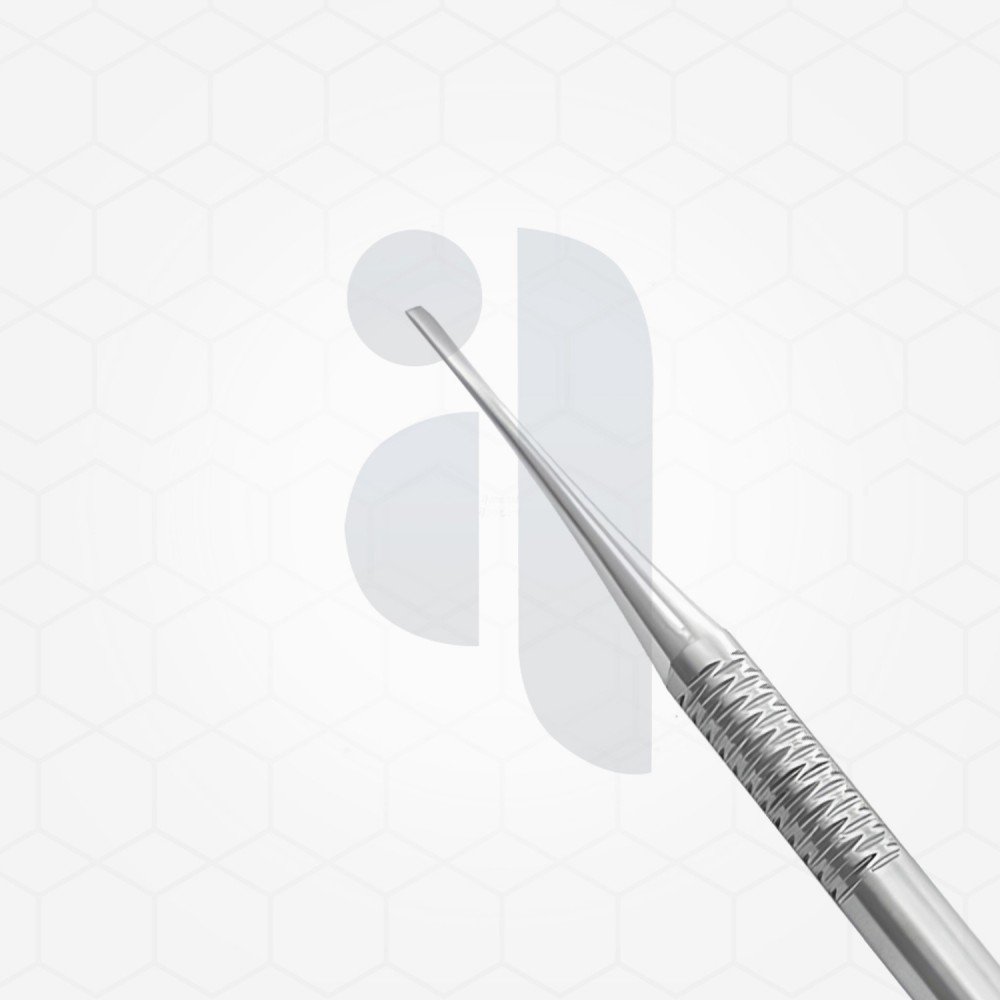
Brand: AzeeMed Instruments
Model: AZM6734977
Dental Small Straight Hybird InstrumentUsed for painless tooth removal in dentistryCutting of periodontal ligament (PDL) in a gentle mannerUsed to elevate or loosen teeth or their rootsSmall straight tip enables penetration into tight spacesCauses minimal trauma to bone and surrounding tissuesUsed e..
$70.50
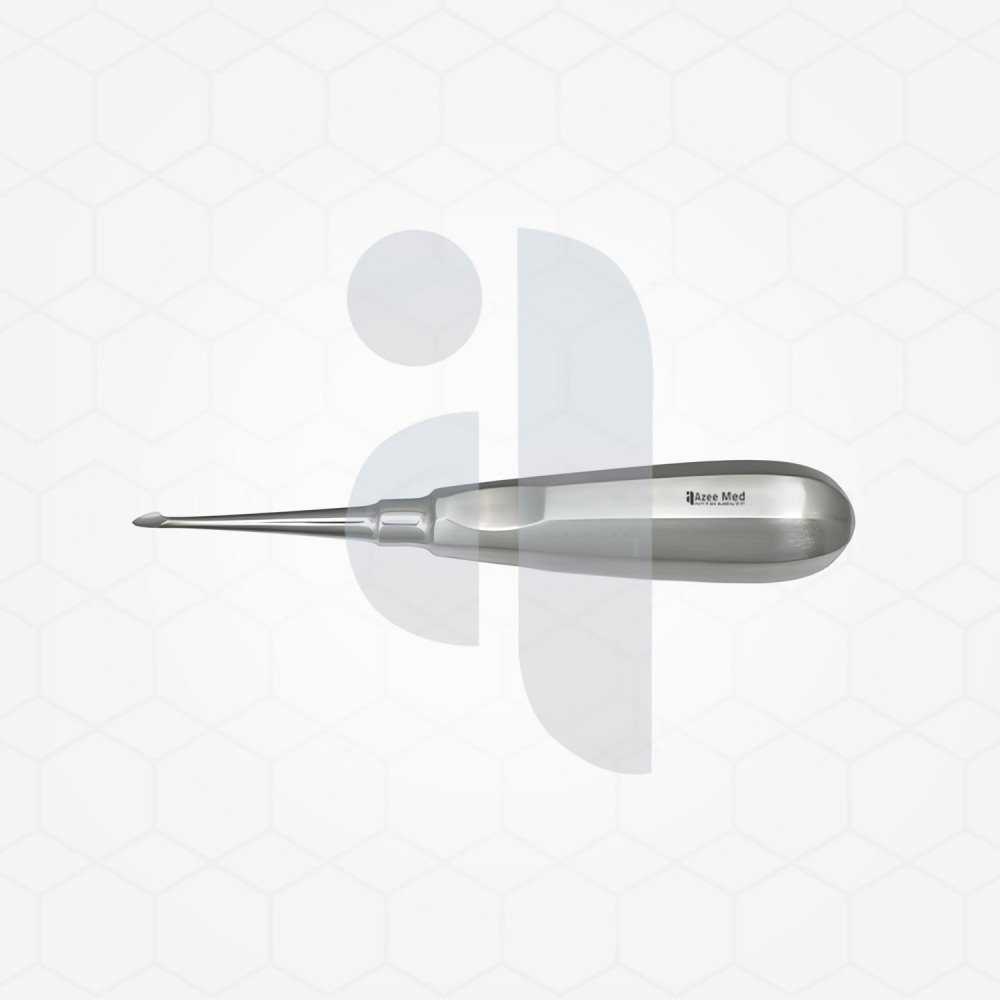
Brand: AzeeMed Instruments
Model: AZM6734985
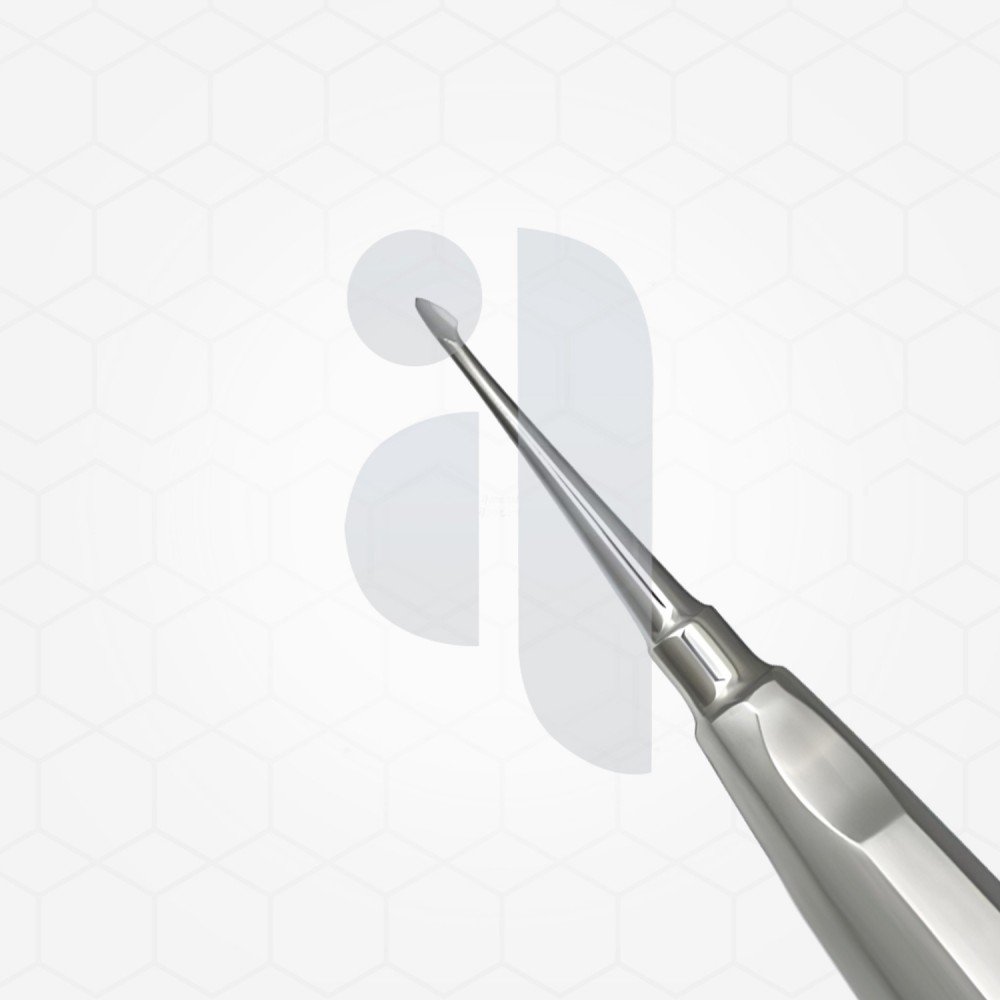
Dental Spade Tip Straight ElevatorLength16,cmTip width is approximately 3–5 mm (flat spade-shaped working end) Used to loosen teeth from the periodontal ligament before the tooth extraction. Also aids in elevating luxating teeth. Used to remove broken root pieces during tooth extraction.H..
$50.50
Brand: AzeeMed Instruments
Model: AZM78283
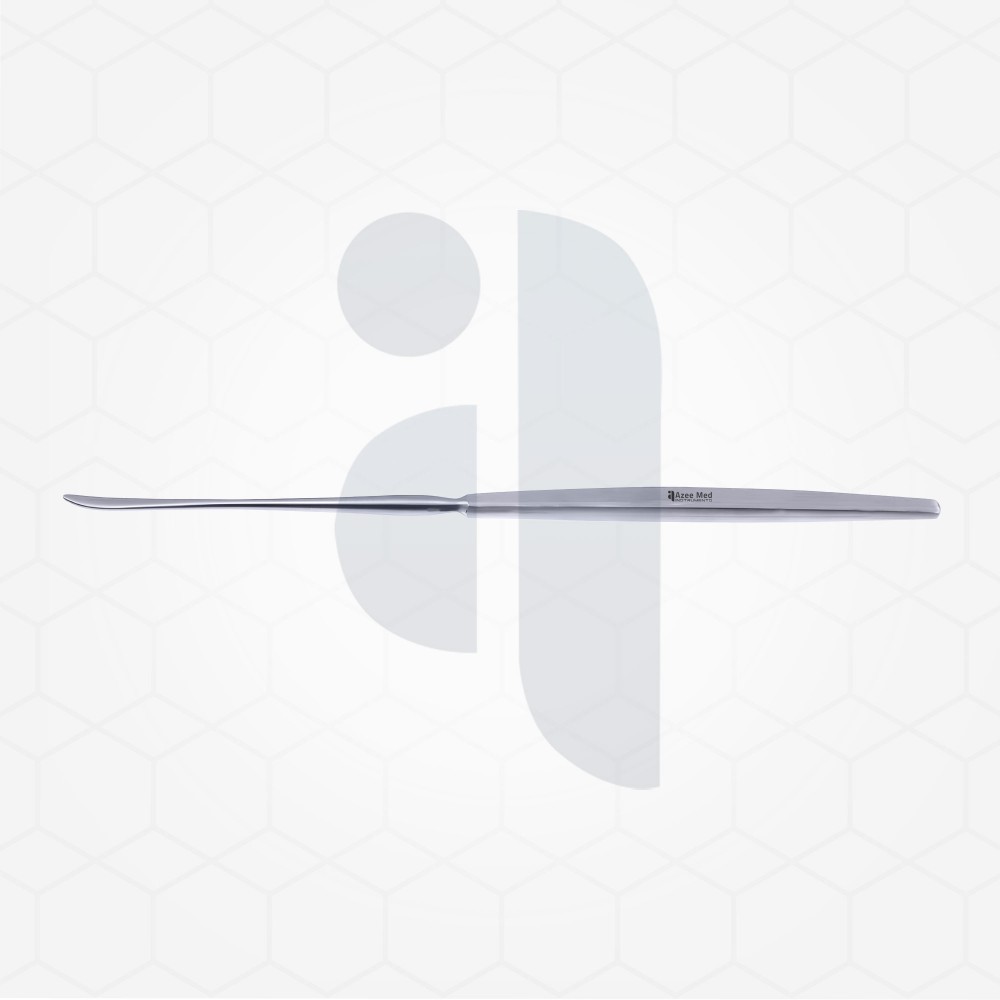
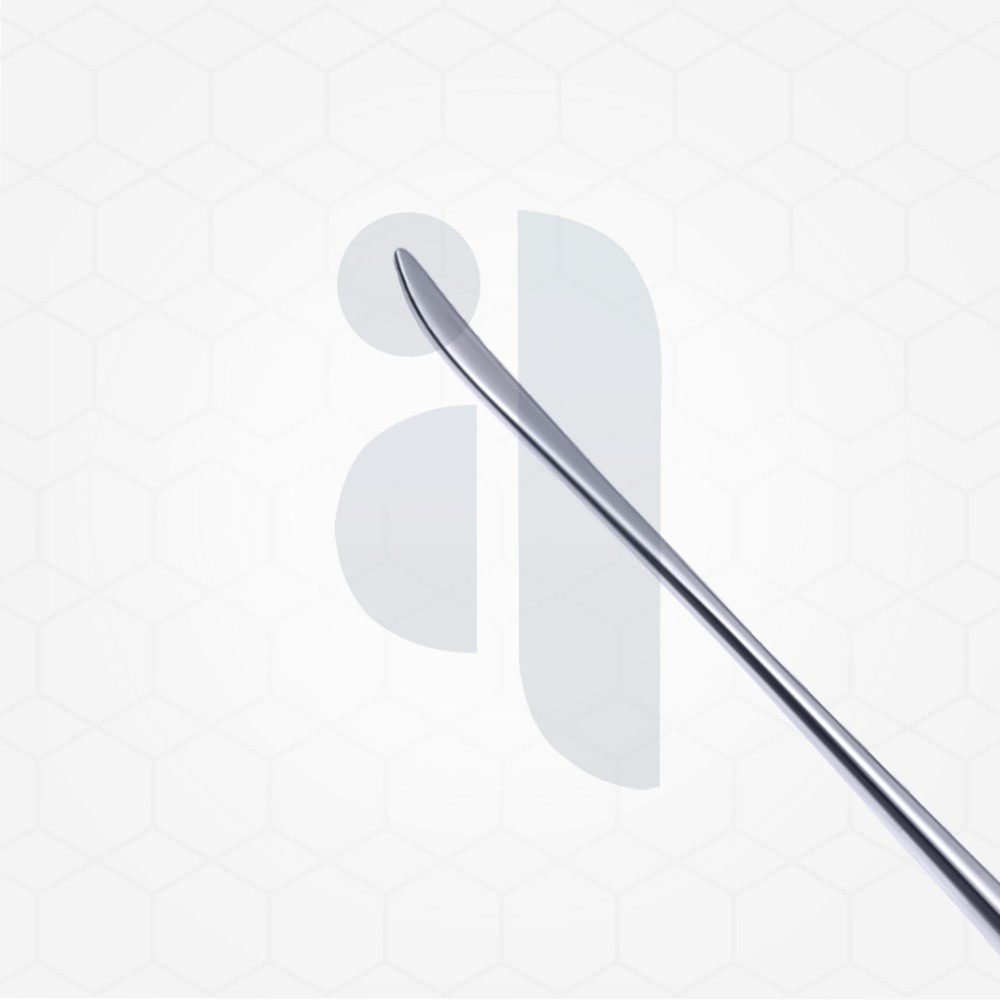
Staphylorrhaphy ElevatorIntended for use in elevating and manipulating tissue.Enables proper positioning and handling of the tissue.Protect the nerves and arteries that pass through tissues layers.Handles ensure stability and safety when using.Enhanced control and reduced hand fatigue.Warranty: Our ..
$53.99
Brand: AzeeMed Instruments
Model: AZM78296
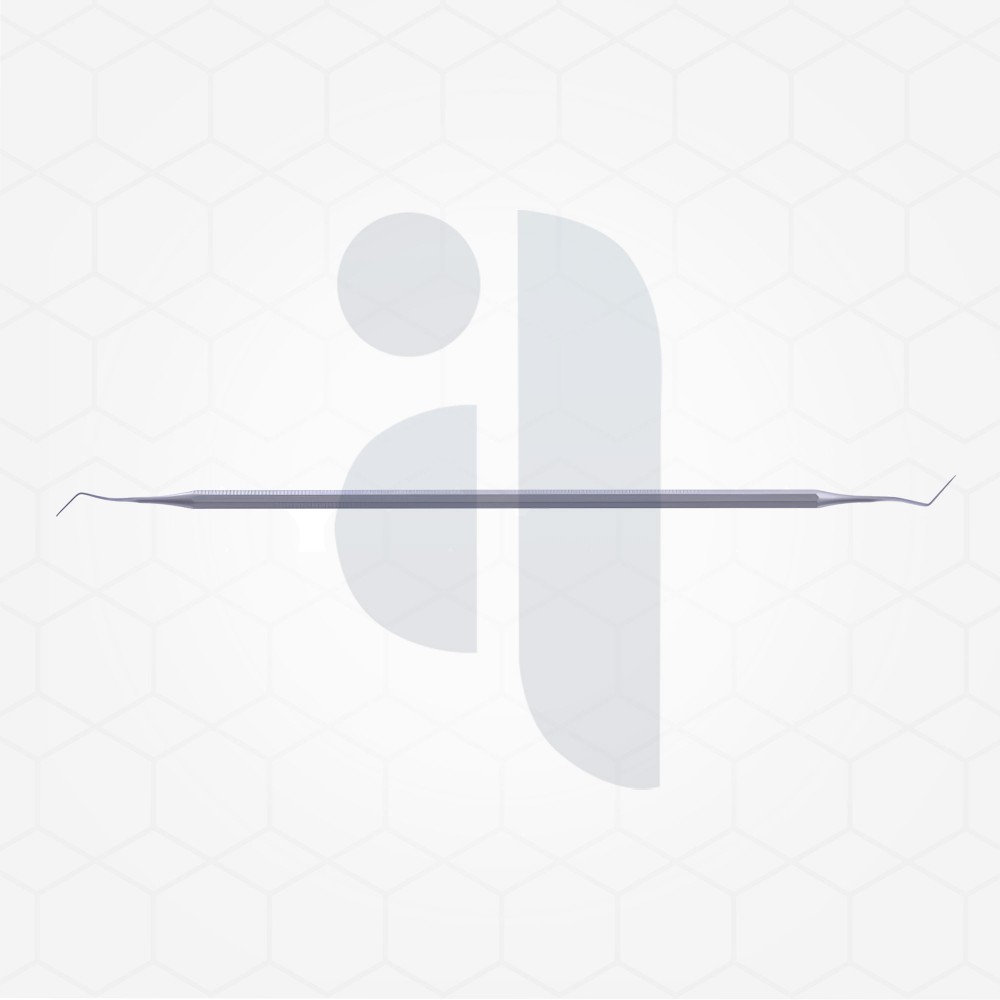
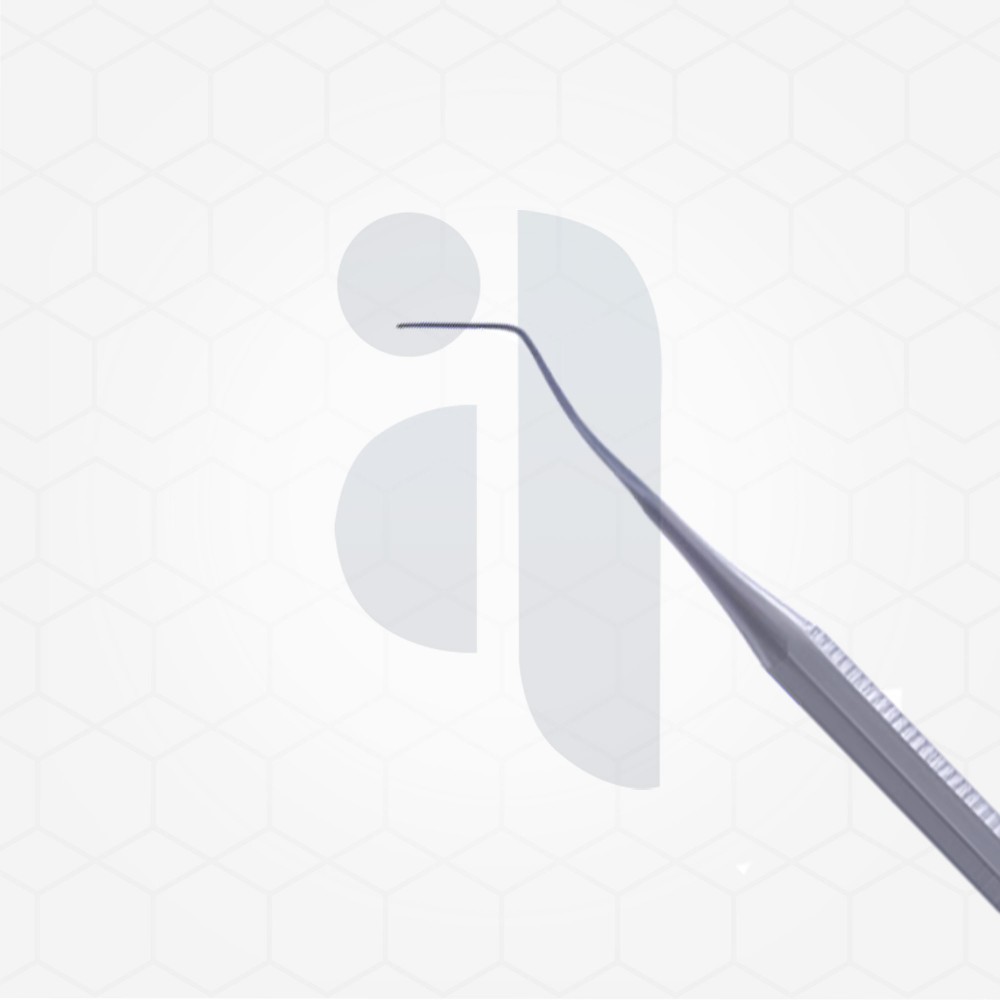
Woodson Spatula ElevatorProviding accurate manipulation of tissues.Perform soft tissue periosteal elevation.Effectively utilized for elevating, retracting and manipulating.Easier for the user to have a firm grip.Durable, corrosion resistant and easy to sterilize.Warranty: Our Instruments are well kn..
$52.99
Showing 1 to 27 of 27 (1 Pages)