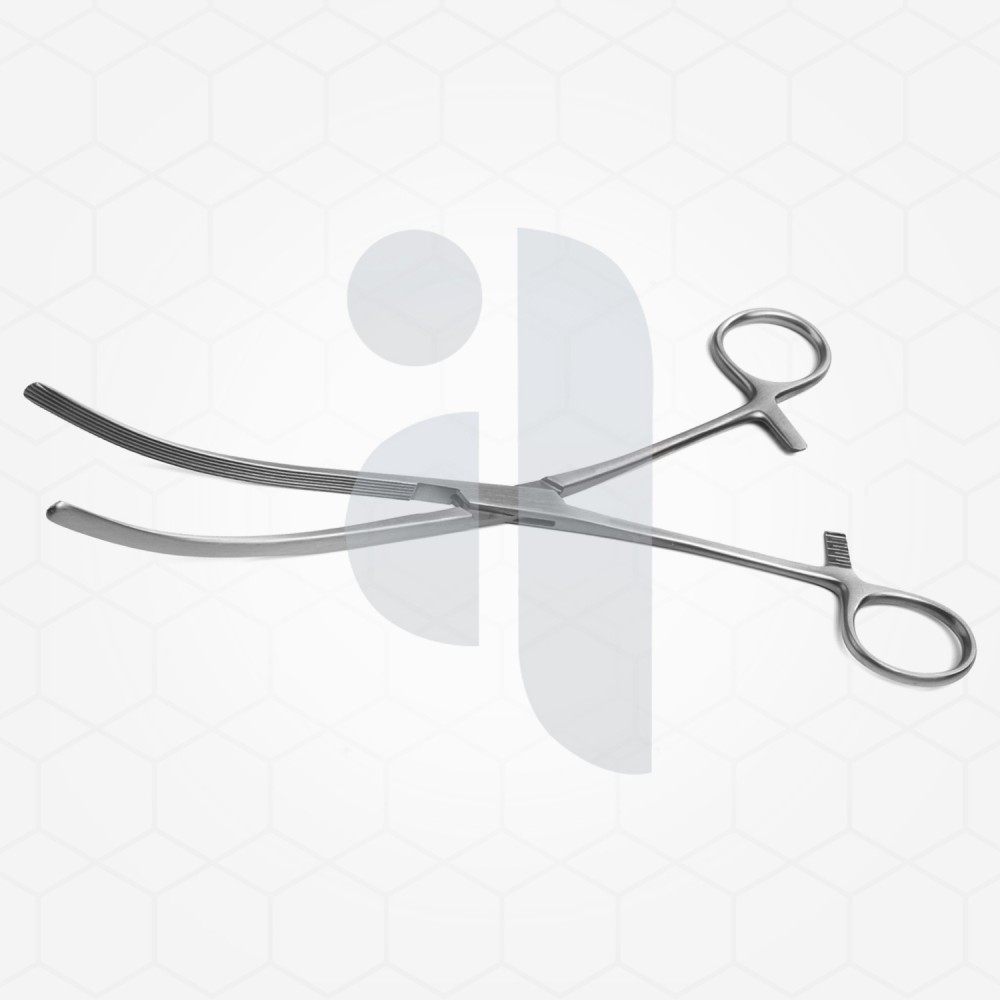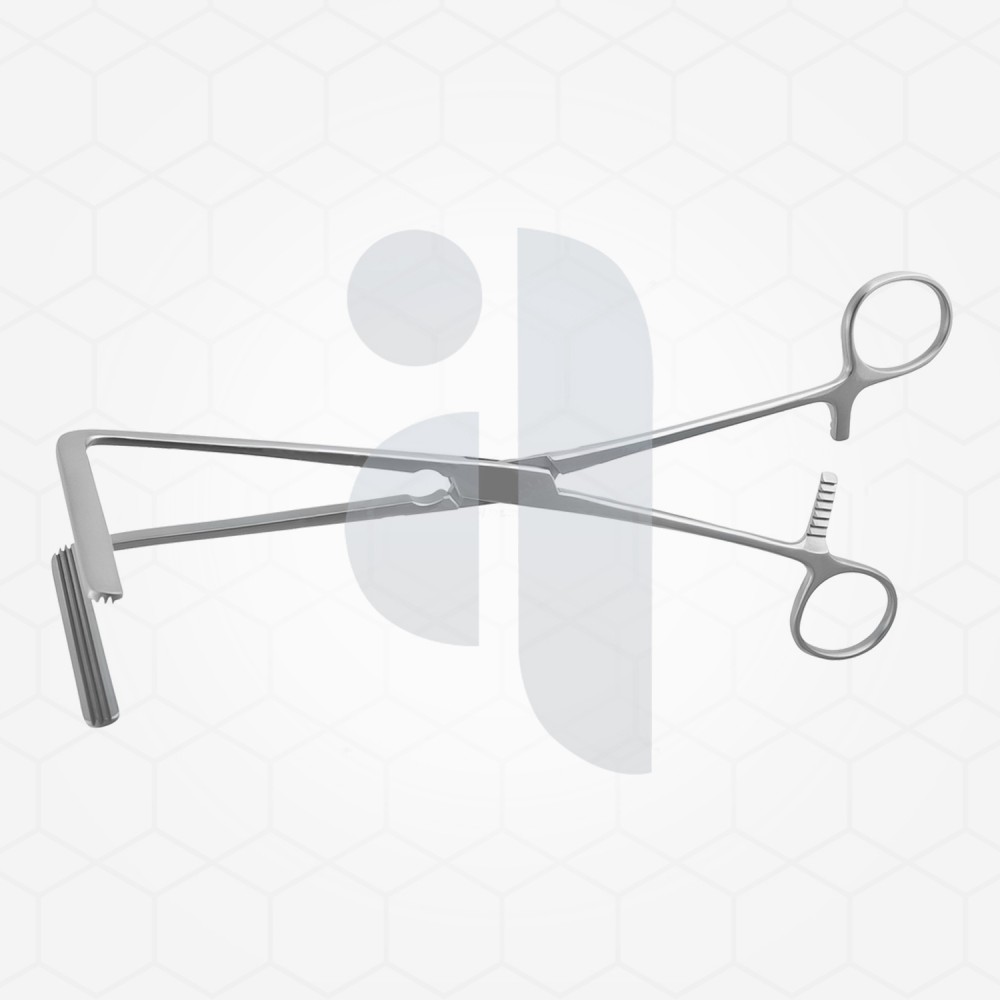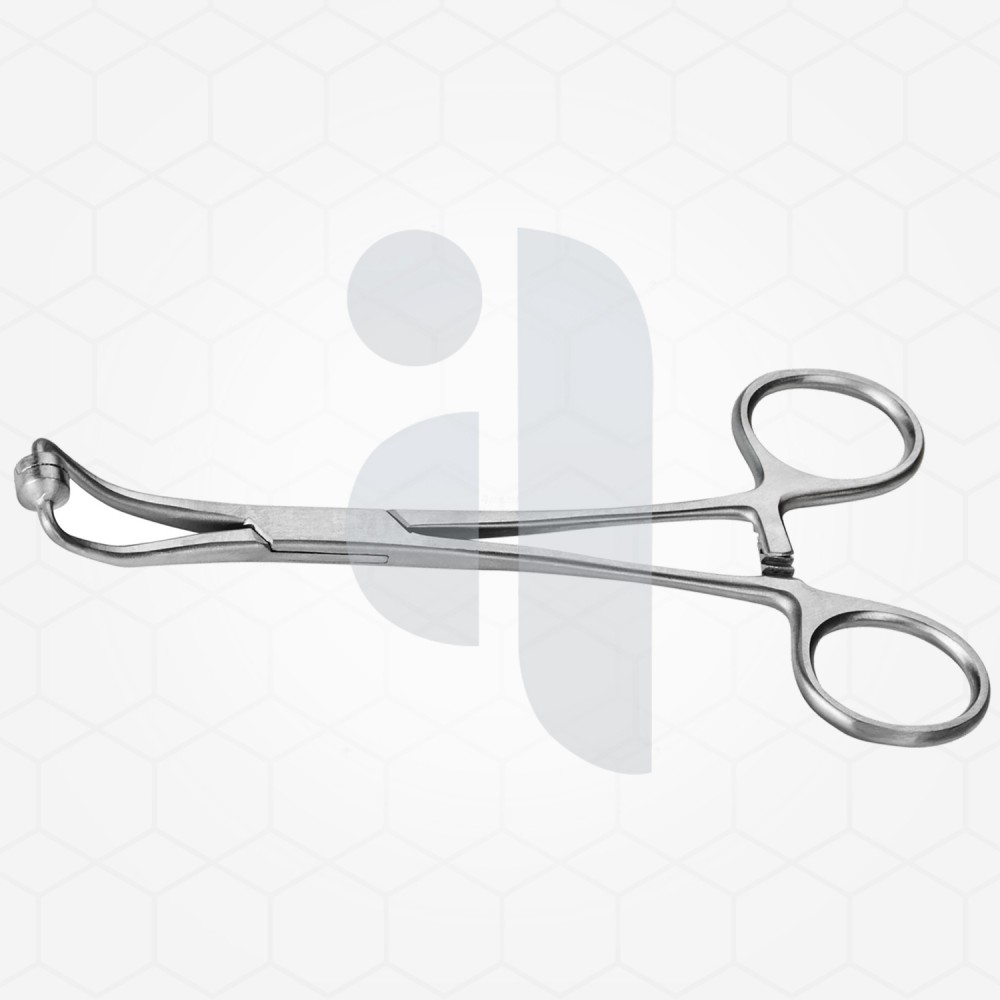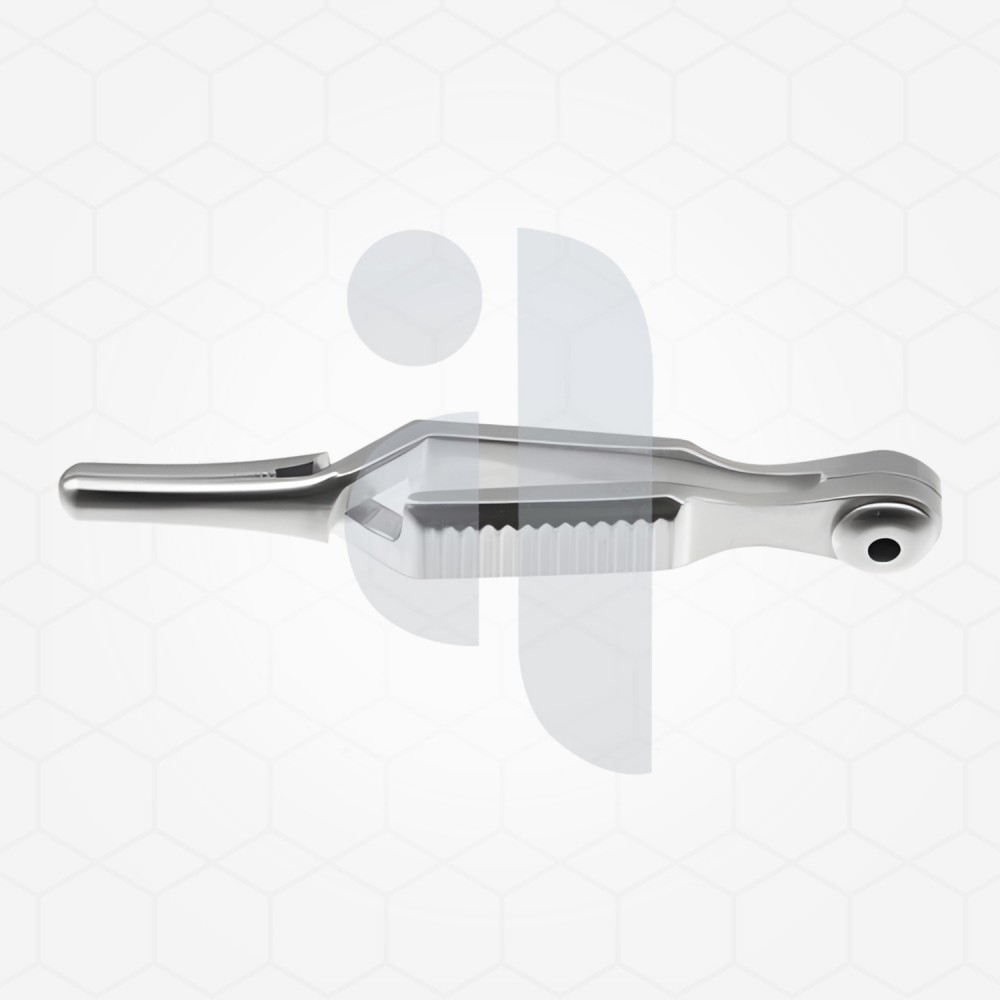
Surgical Clamps for Reduced Bleeding and Tissue Control
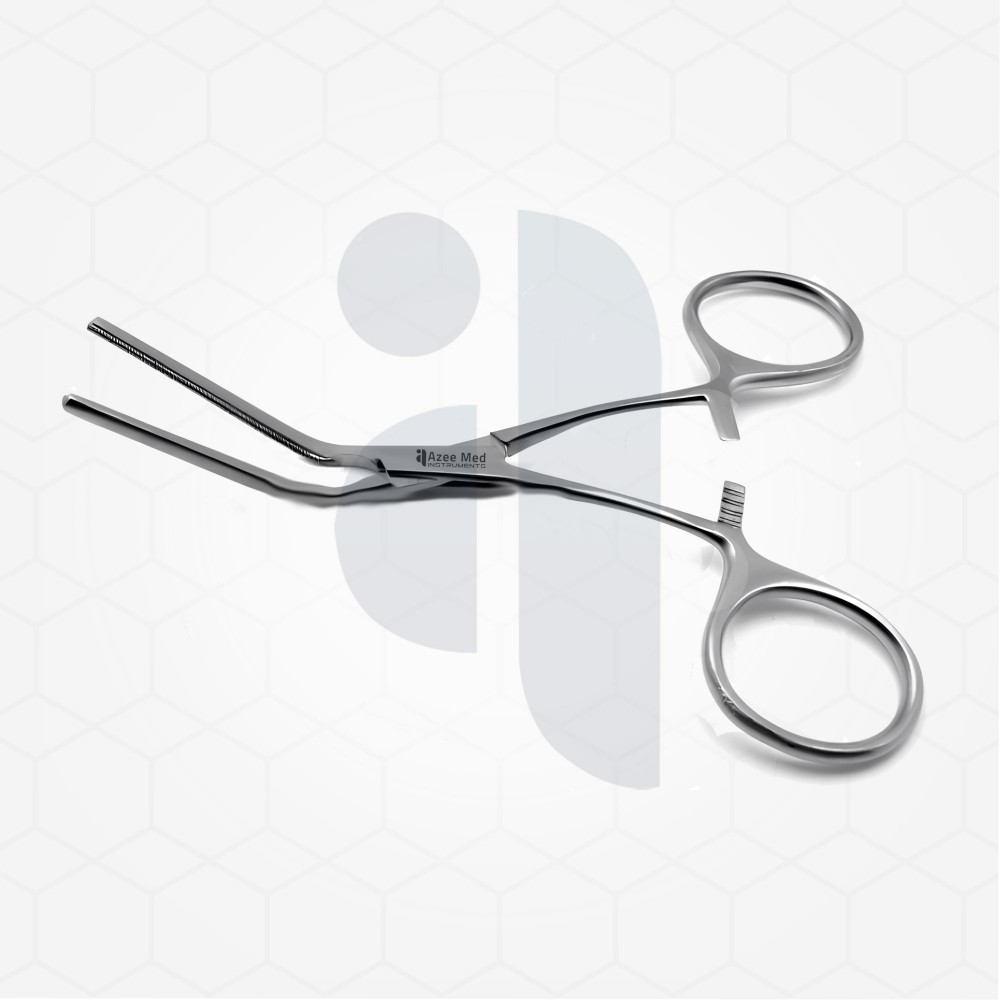
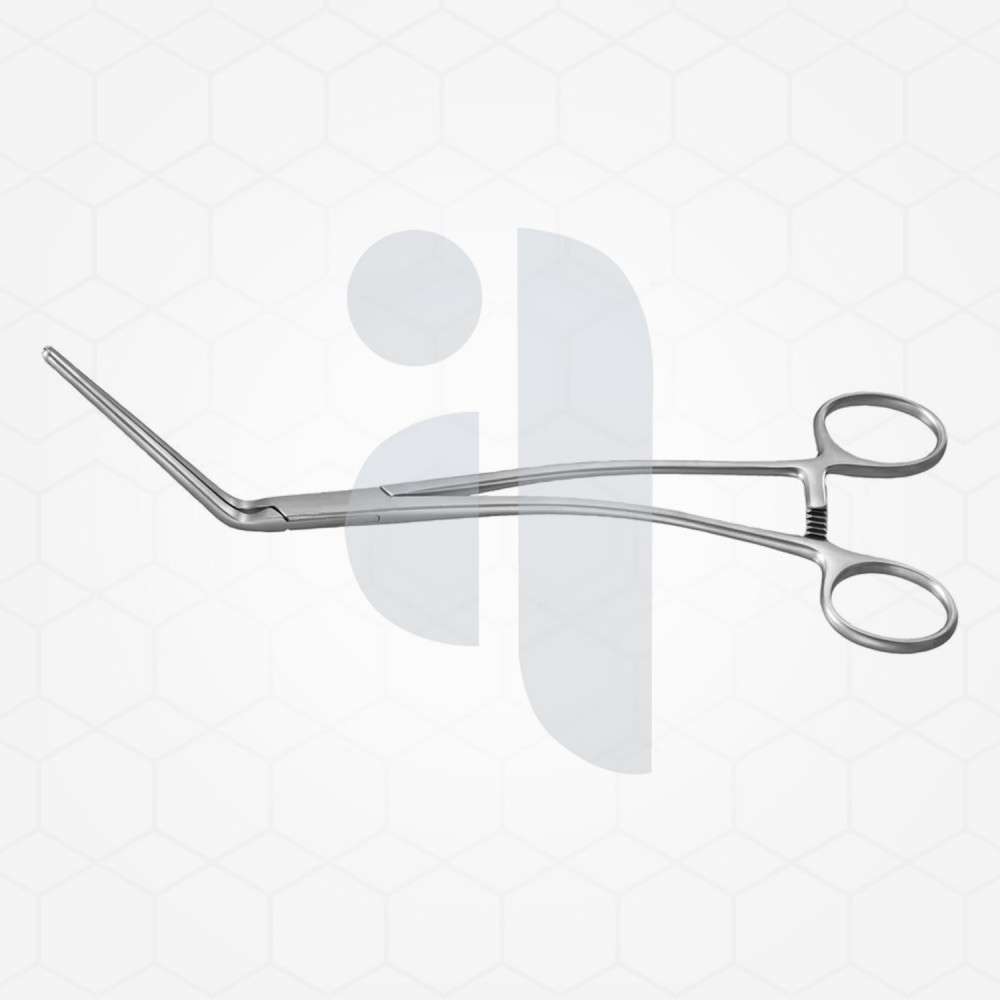
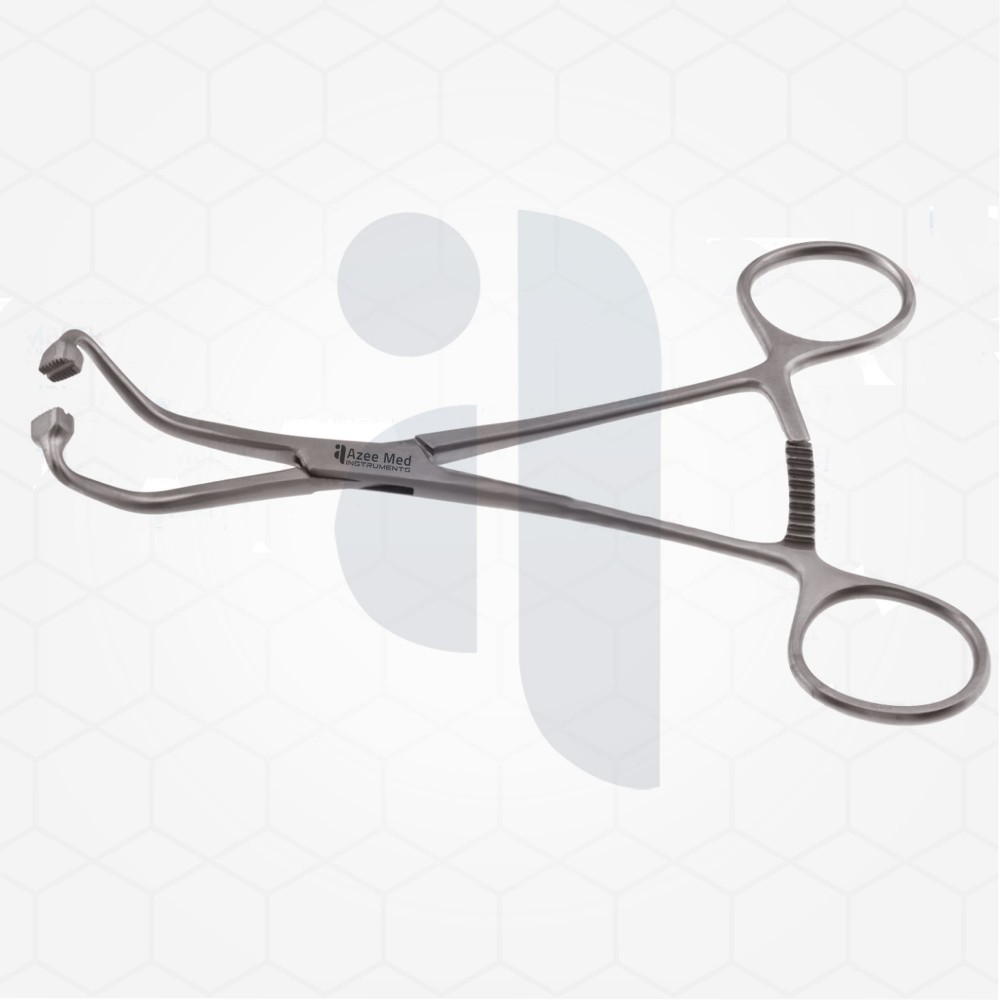
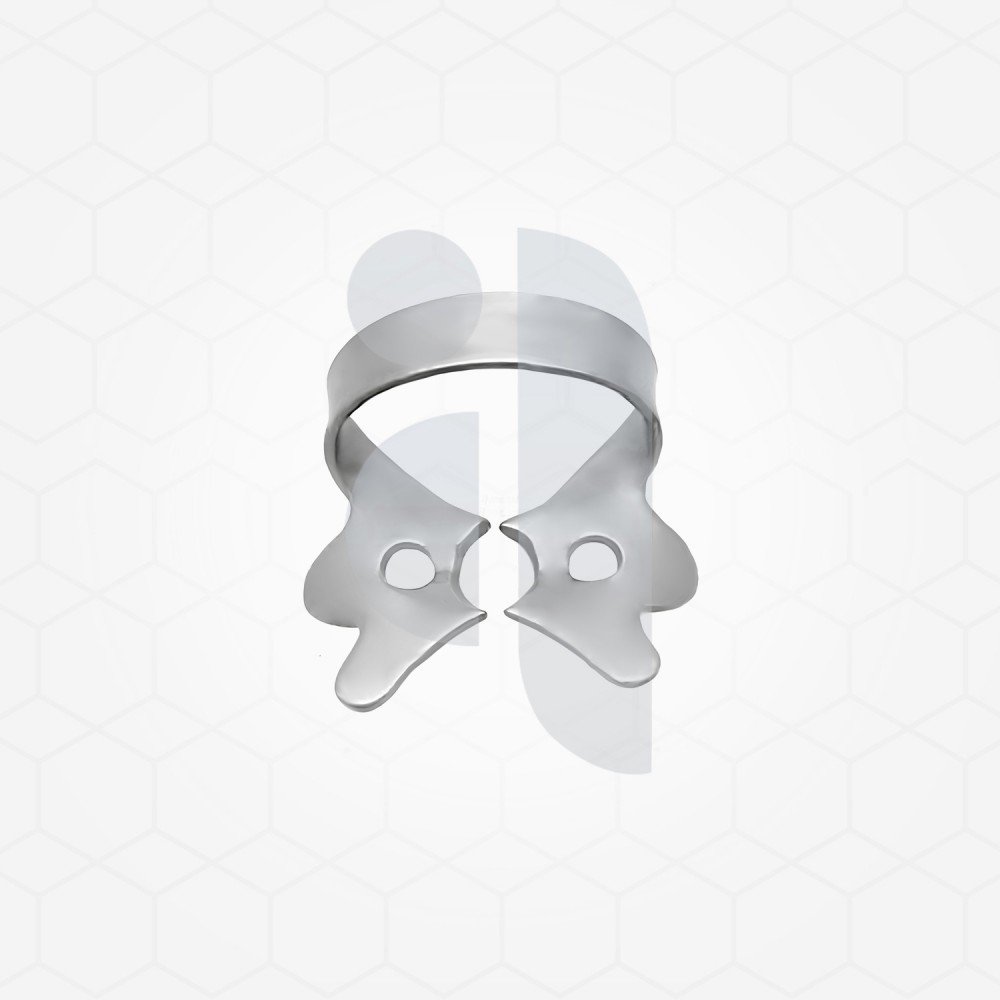
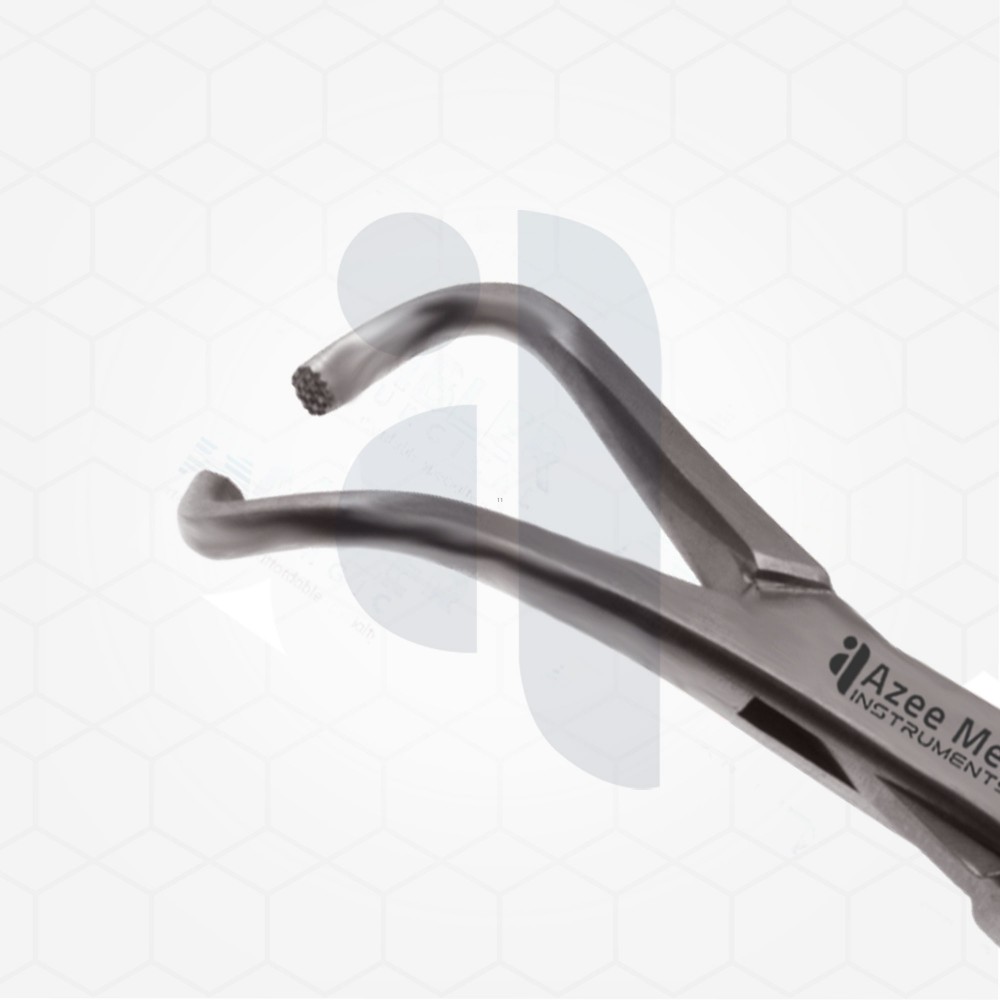
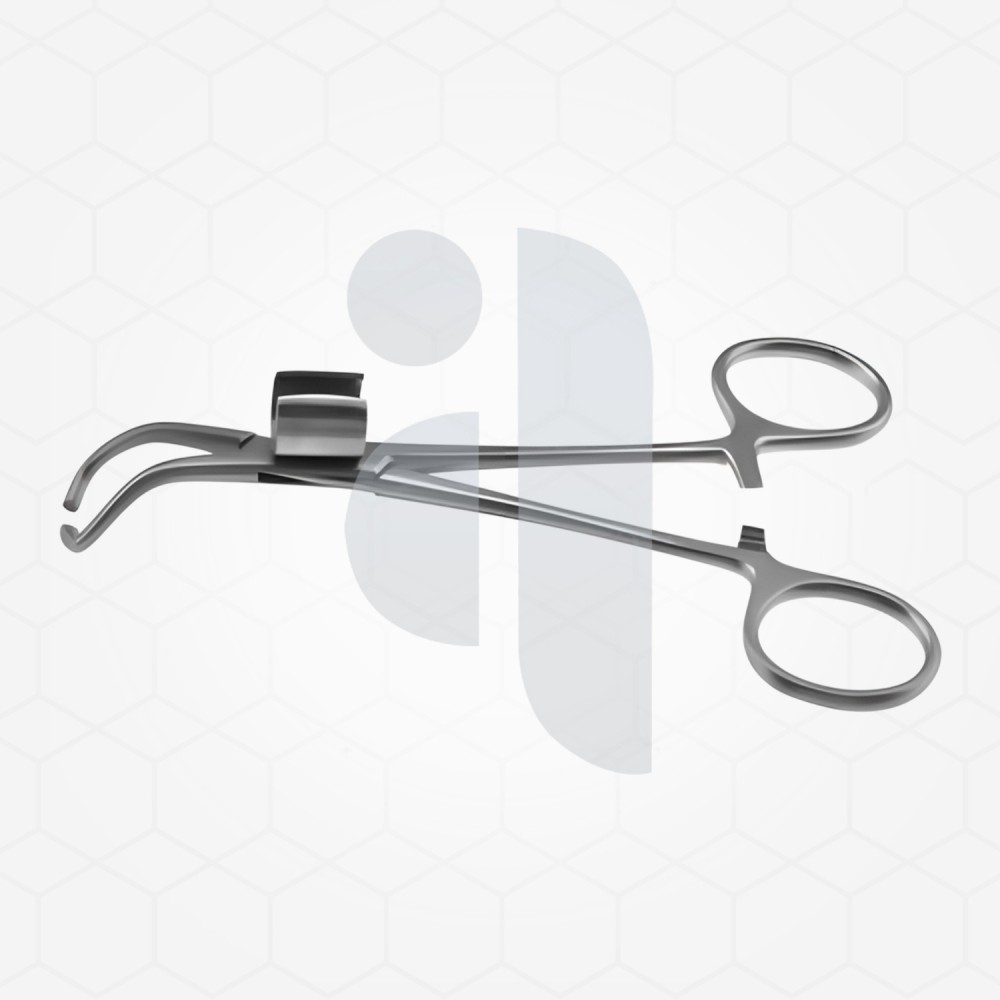
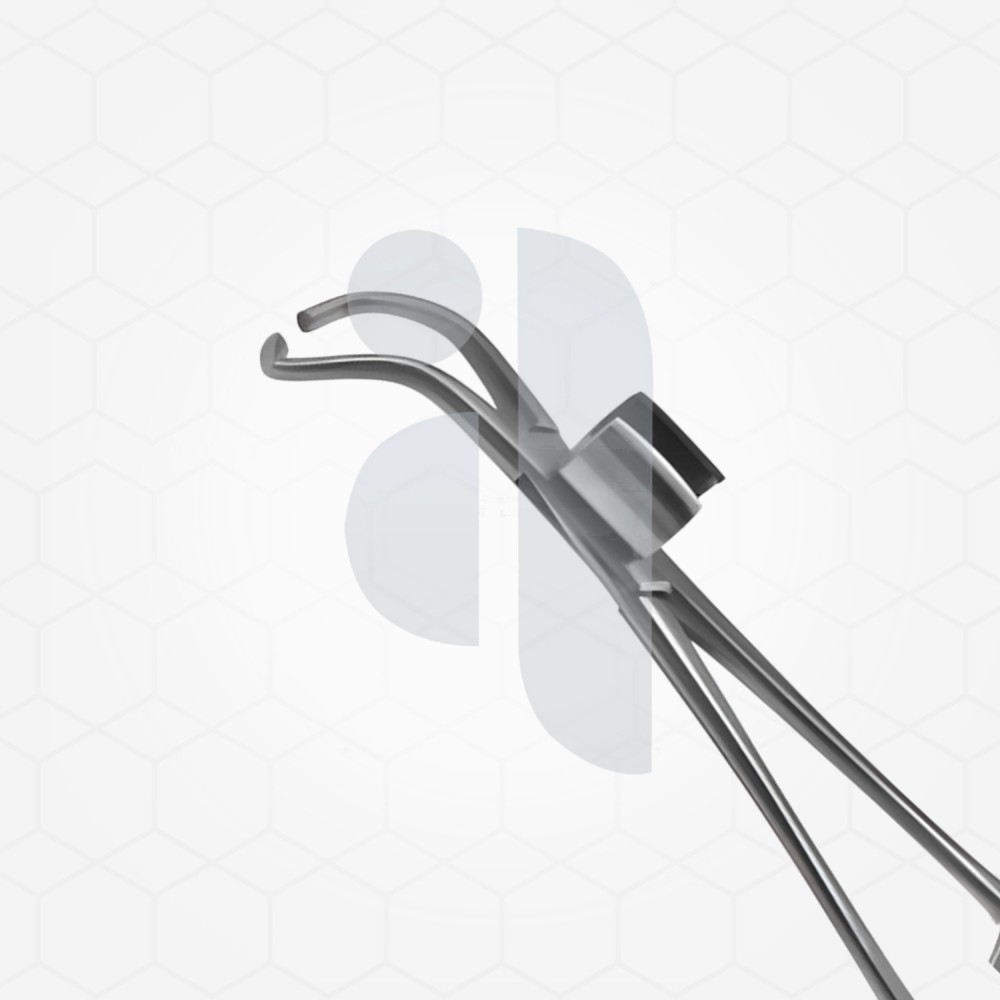
Clamps are procedure-specific medical instruments designed to compress tissues and occlude vessels during surgical procedures. They help stabilise the anatomical structures and compress the blood vessels to stop bleeding.
Surgeons have these important tools in their basic and complex general surgery instrument sets. Without these general surgery instruments, the patients may lose their blood, causing blood loss. Functions like homeostasis and holding can be achieved with the help of these tools.
This mini guide will help you know the different types and uses of these important general instruments for surgery.
What are the major types of Clamps in General Surgery Instrumentation?
What are the key features of surgical clamps?
The following key features of surgical clamps are known to have set them apart from other general surgery instruments:
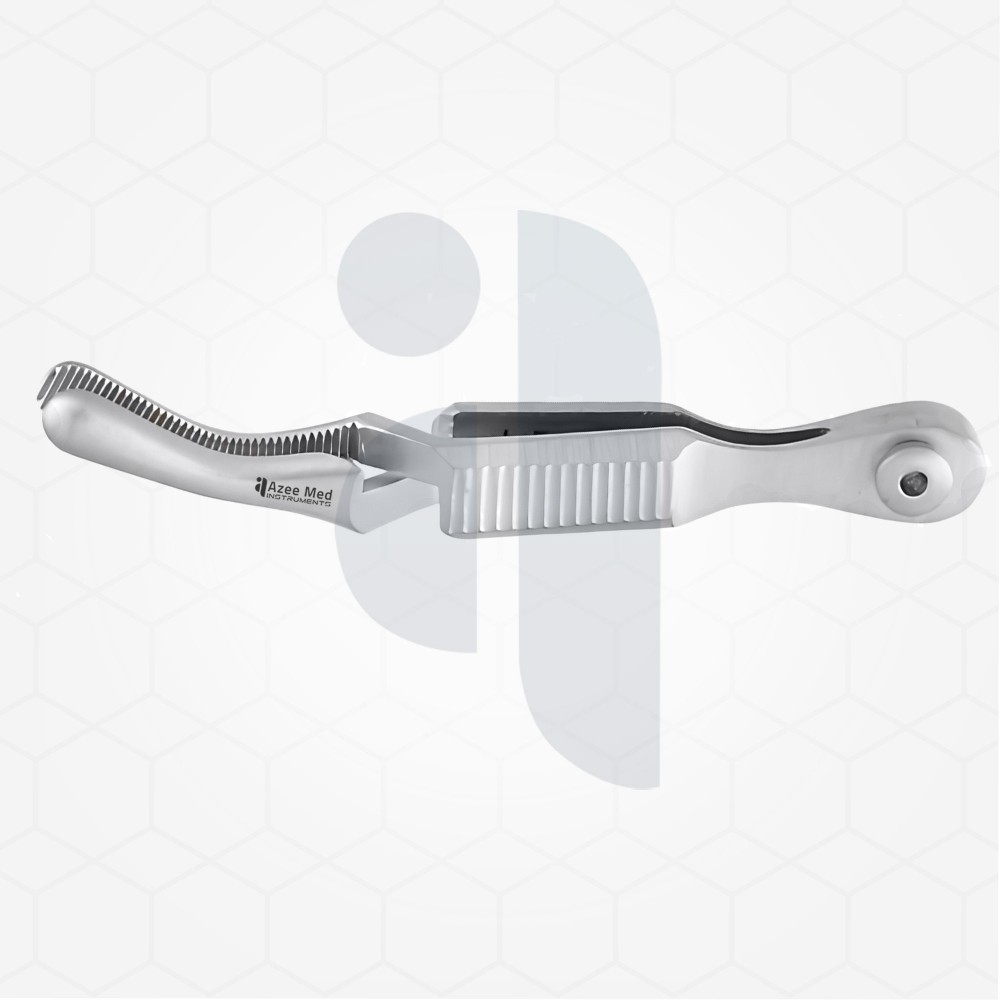
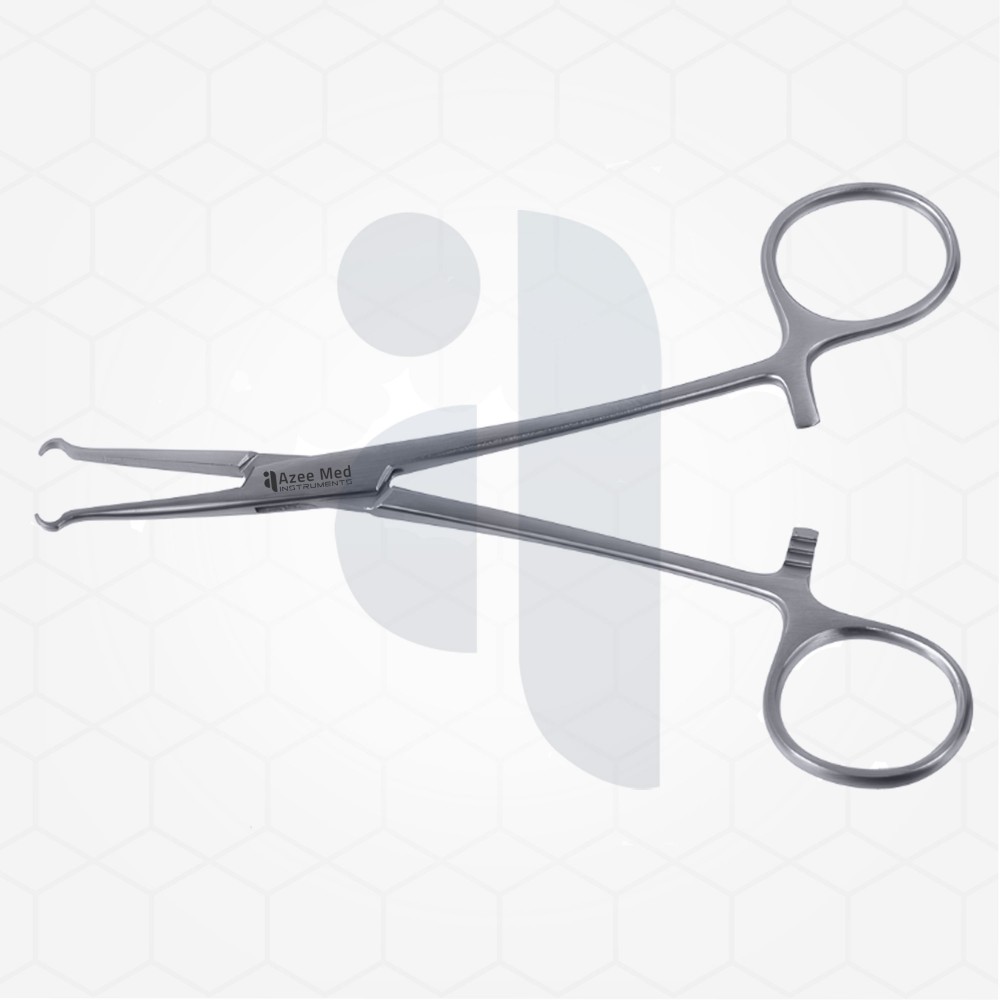
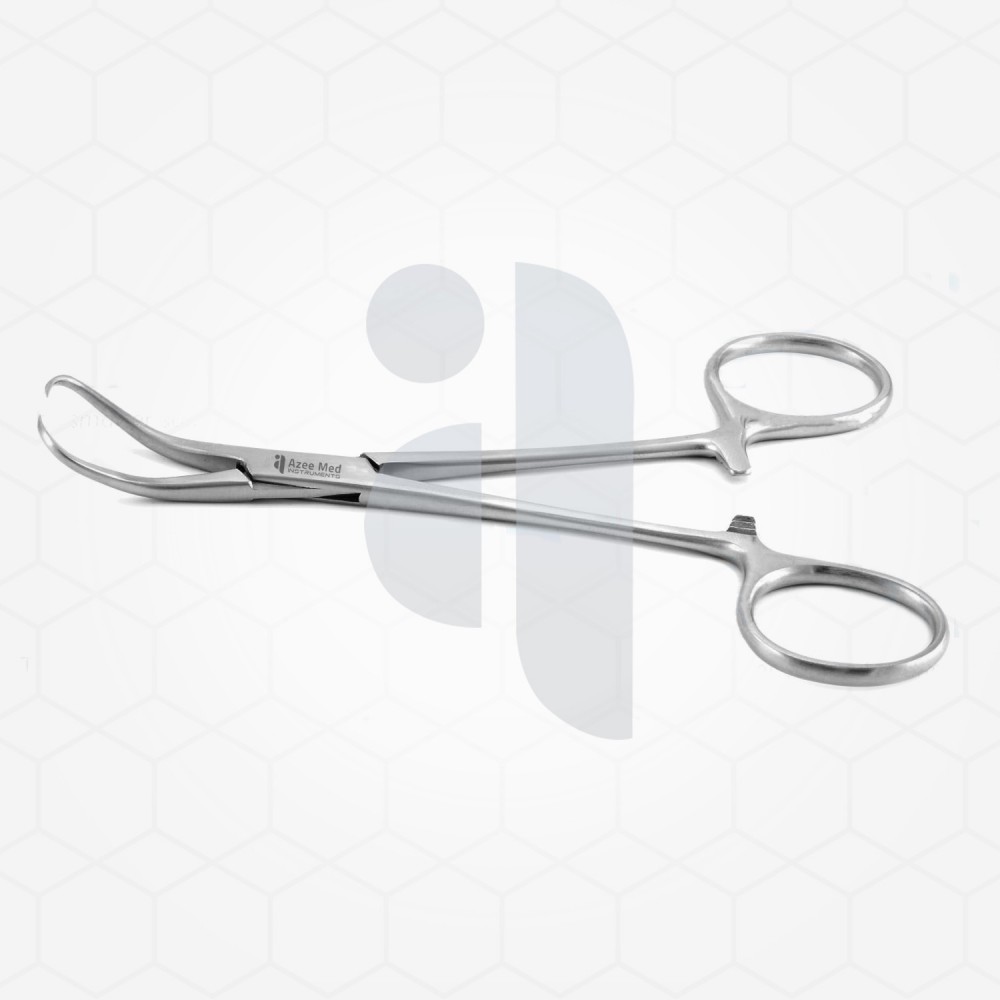
Locking Mechanism: Surgical clamps have a locking mechanism to keep the instrument in place while occlusion or holding.
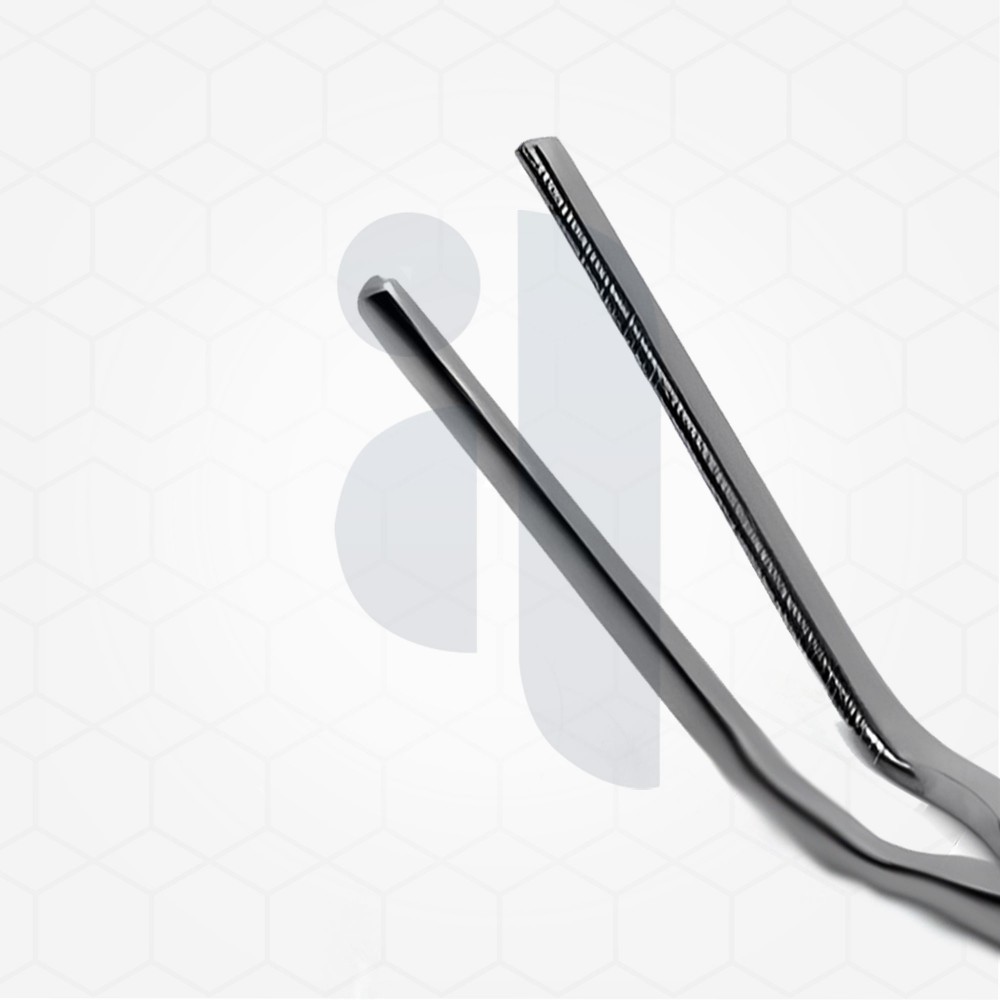
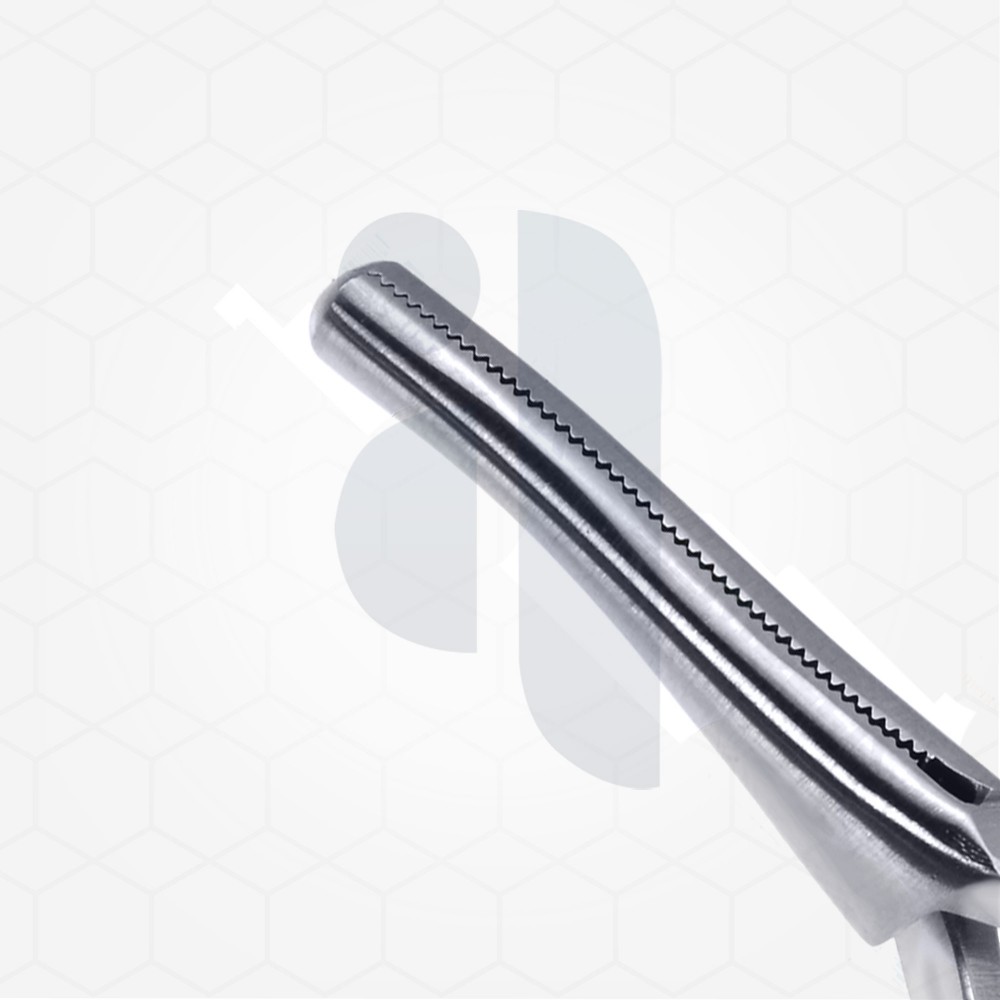
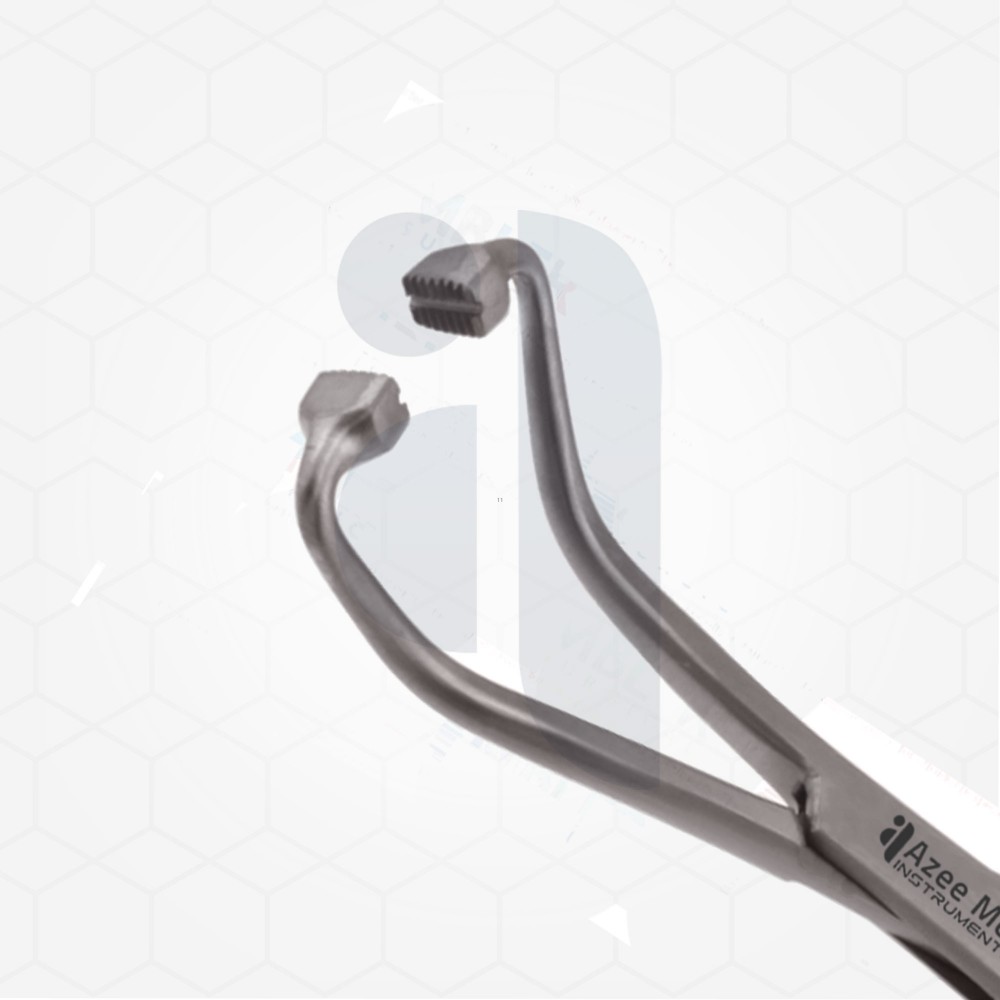
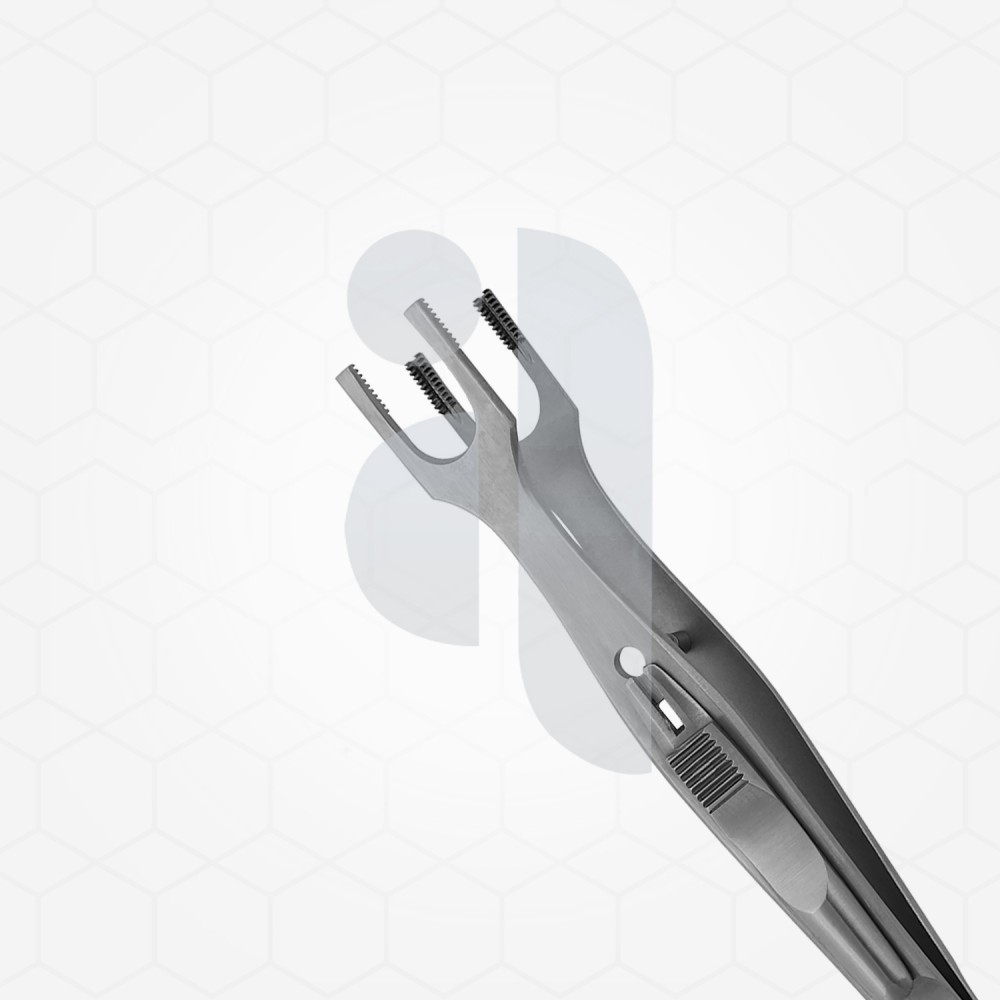
Structure: General Surgery clamps have fenestrated, sharp edges to securely hold the slippery tissues and vessels.
Material: Clamps use high-grade surgical stainless steel in their construction. This increases an instrument’s life.
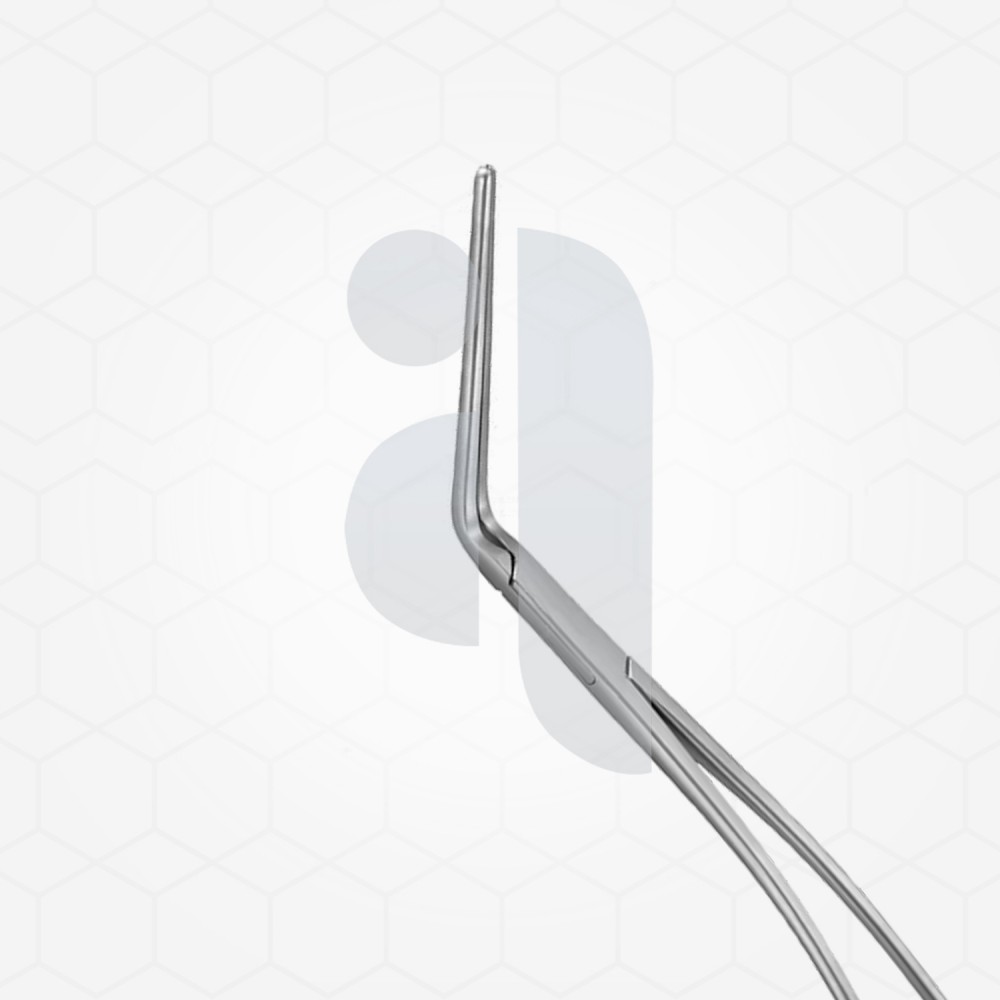
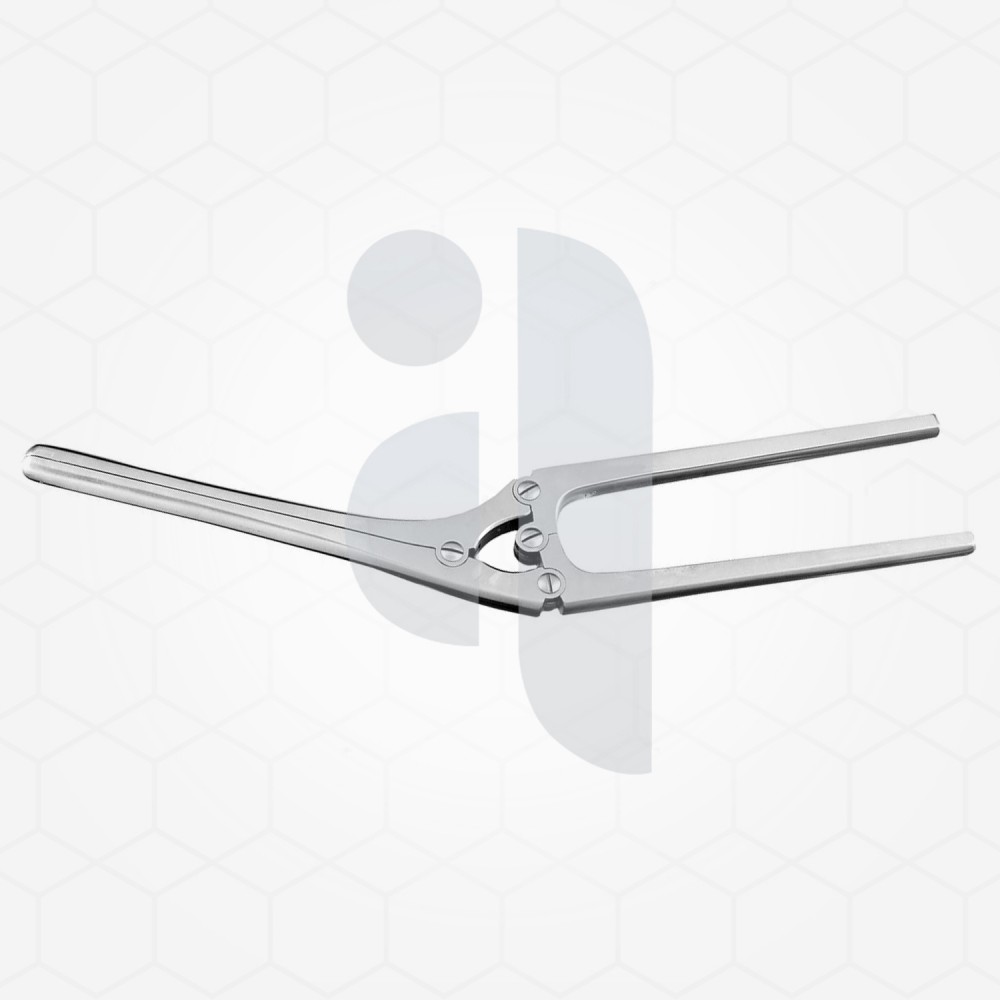
Range: The supply store has variations in the structure and design of surgical clamps. You can have straight, angled, or curved working ends depending on the surgical depth.
FAQs
Q1: How to choose the right surgical clamp for your general surgery procedures?
The right choice of surgical clamps depends on the size requirement and procedure type. For example, if the tissue you are working with is large, use a wide edge clamp and vice versa. Furthermore, make sure to check if you are dealing with vessels or tissues.
Q2: What functions does a surgical clamp perform other than tissue control?
Apart from tissue control, a surgical clamp can help stop bleeding by occluding the vessel, prepare the surgical wound, and dissect bluntly.
Q3: How can I keep general surgery instruments maintained?
You can keep your general surgery instruments maintained by washing them after every use. The cleaning steps should be followed stepwise to ensure patient safety.
Q4: What points to consider when choosing a surgical clamp?
Consider tissue density, tissue fragility, and curvature design before choosing a surgical clamp for your surgical field.
Q5: Which material helps construct surgical instruments for general surgery?
High-Carbon steel and German stainless steel help construct surgical instruments for general surgery.
Discover AzeeMed Instrument’s General Instruments for Surgery
High-grade general instruments included in the general surgery instruments kit should be readily available to the surgeons. AzeeMed Instruments offers a range of different configurations of surgical clamps for effortless manipulation and occlusion. This mini guide acts as a quick overview to better understand the many structures and variety available. For more information, contact us now!






%20artery%20clamp%20forceps-1000x1000.jpg "Crafoord (Coller) artery clamp forceps")
%20artery%20clamp%20forceps%201-1000x1000.jpg "Crafoord (Coller) artery clamp forceps")