
Blades Explained: Types, Sizes & Applications
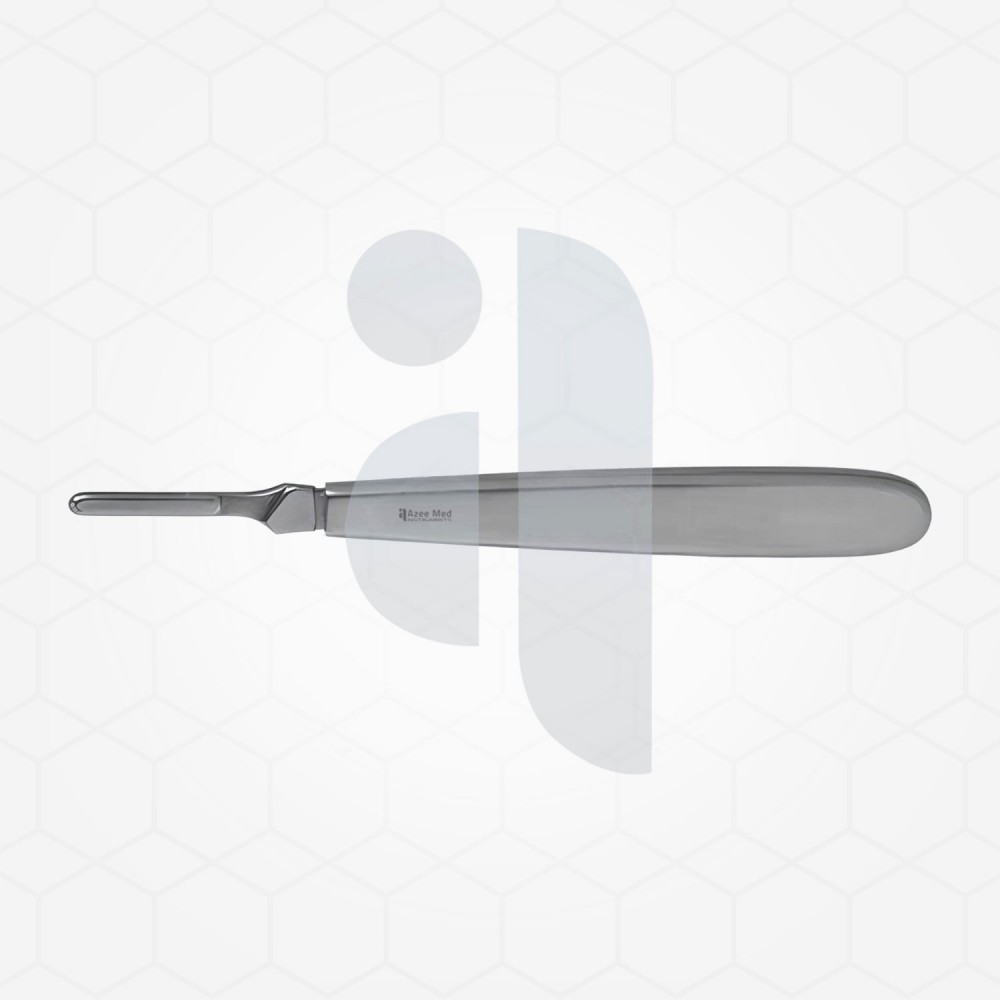
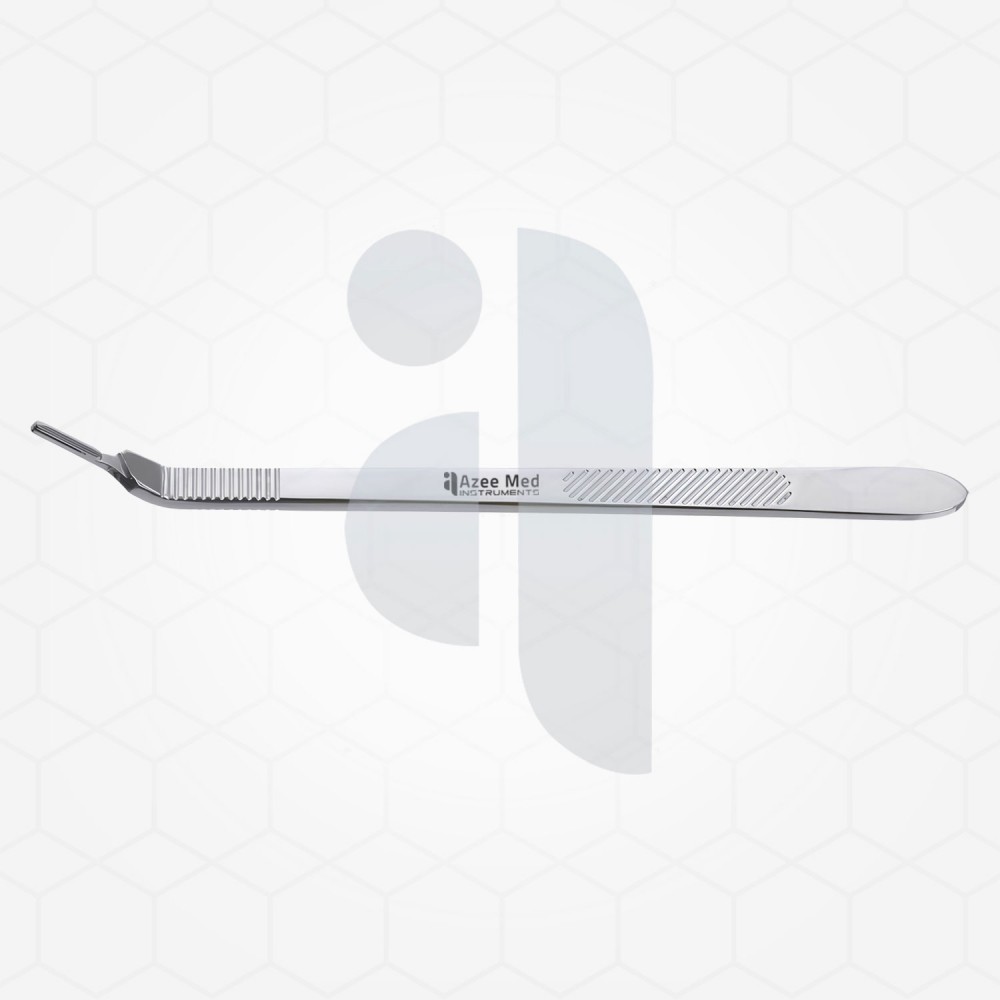
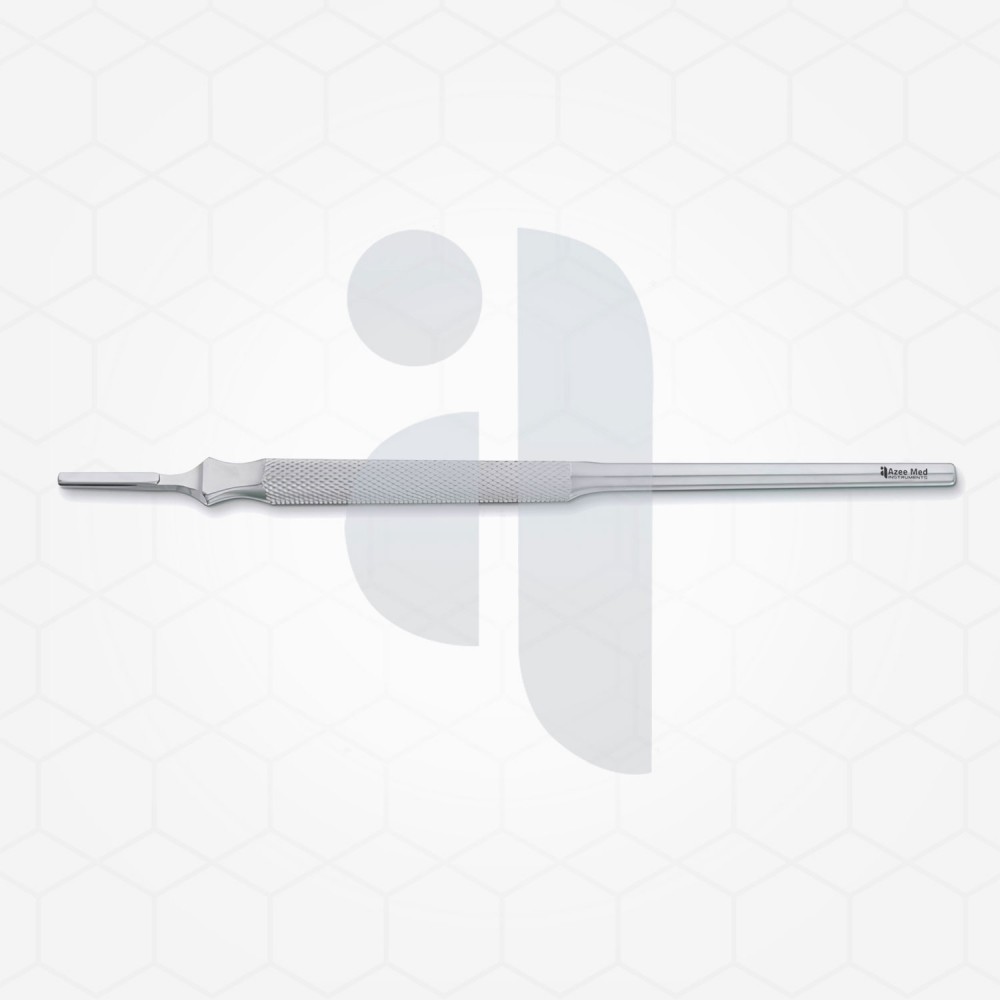
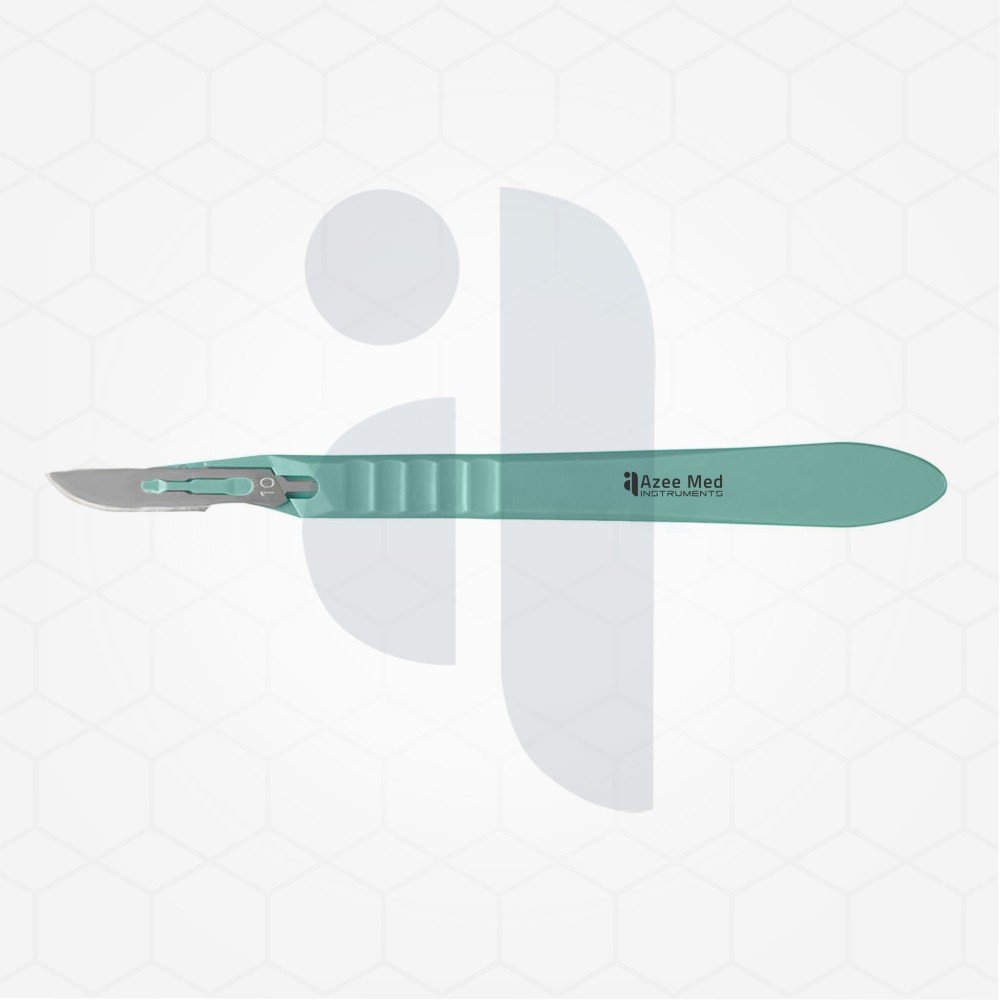
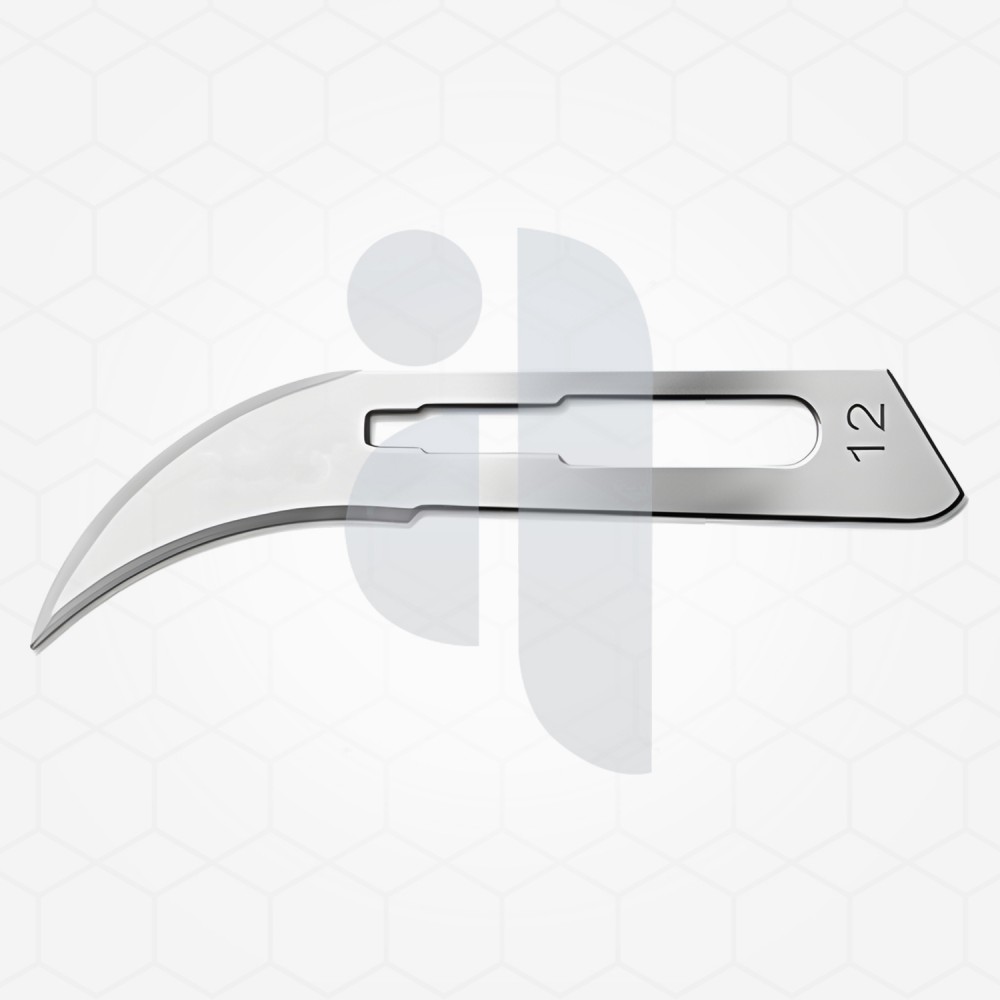
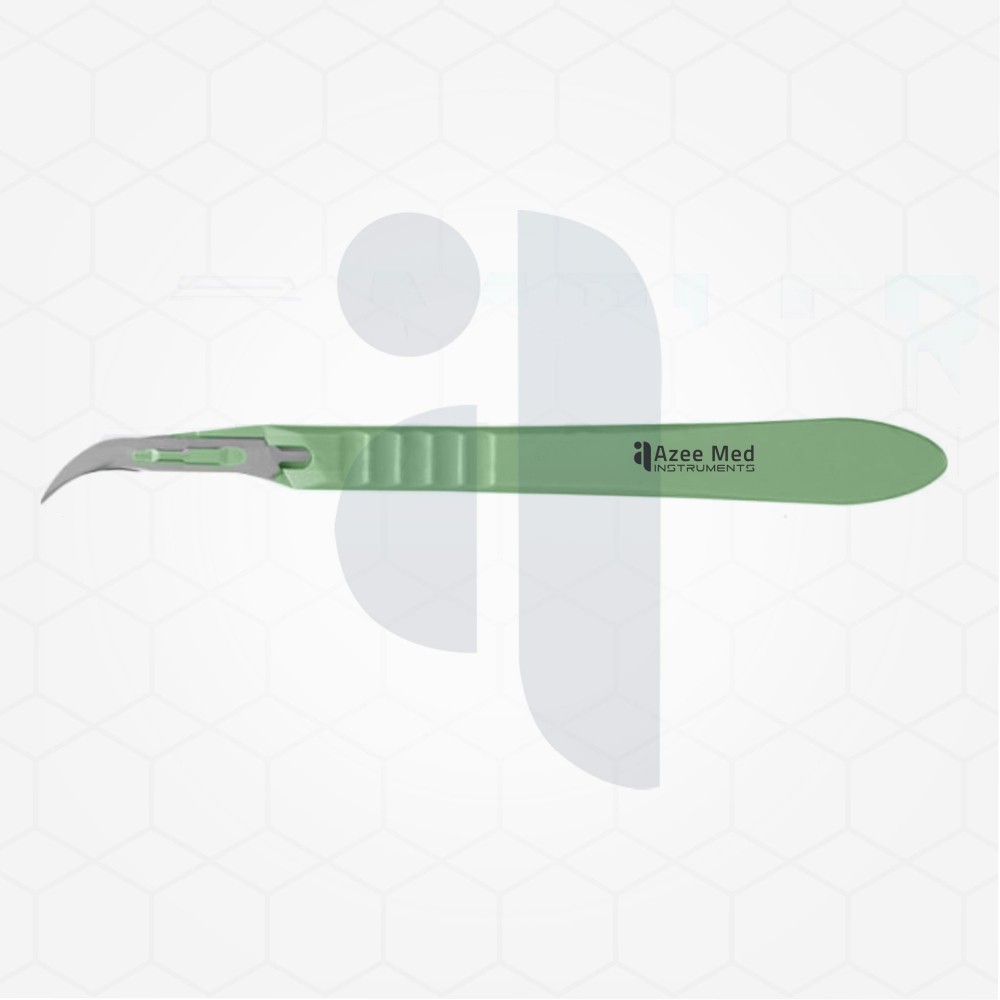
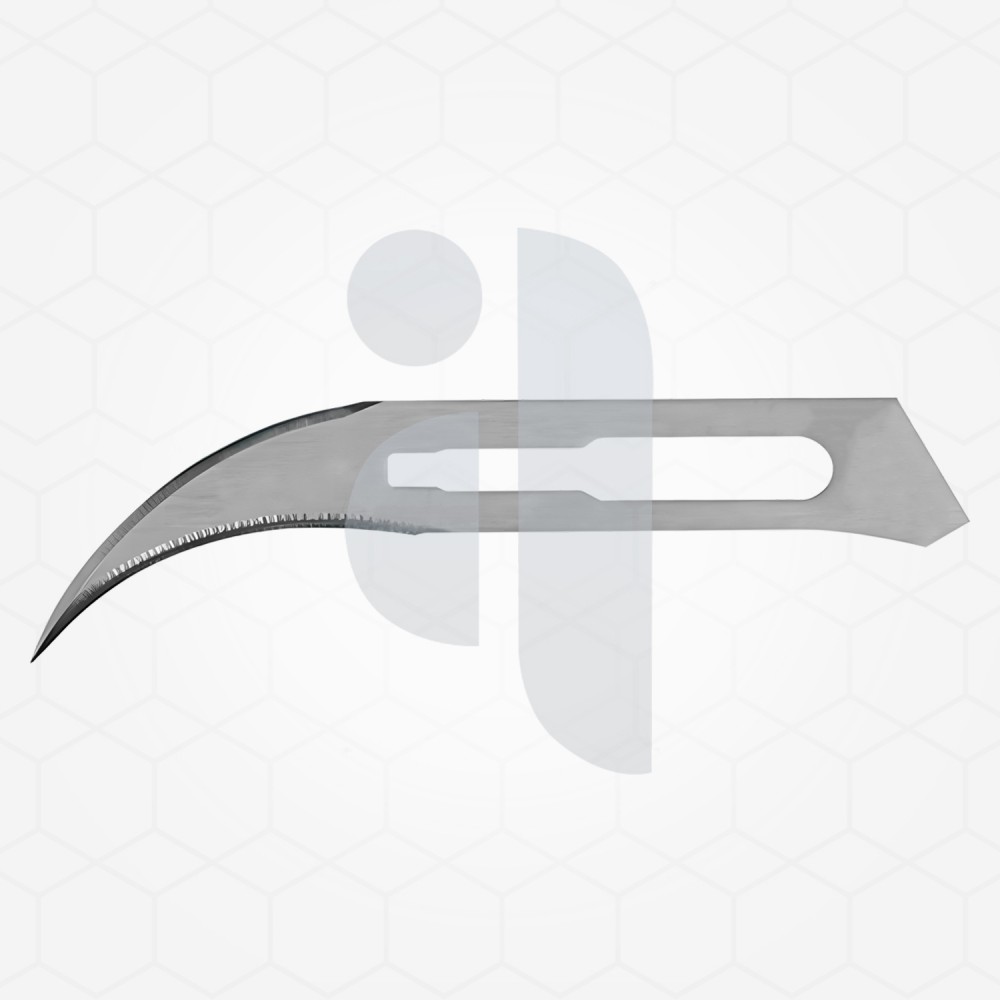
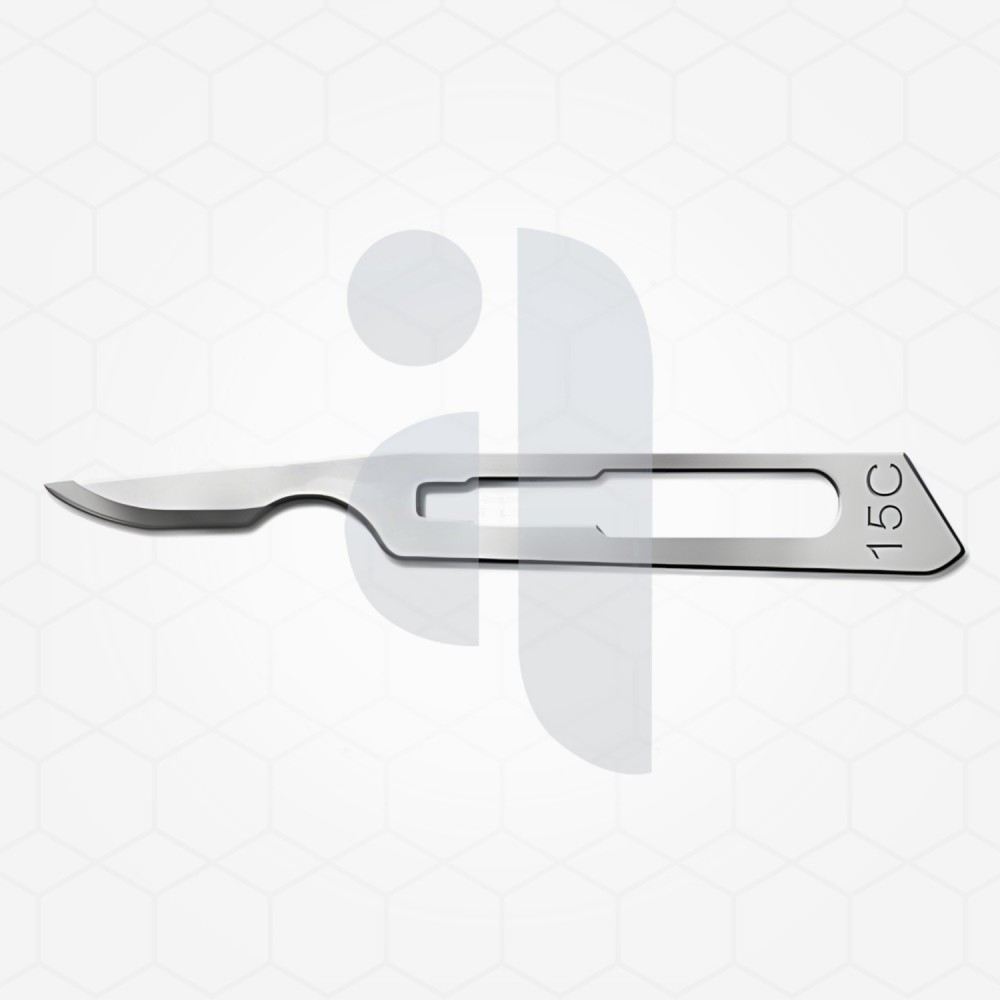
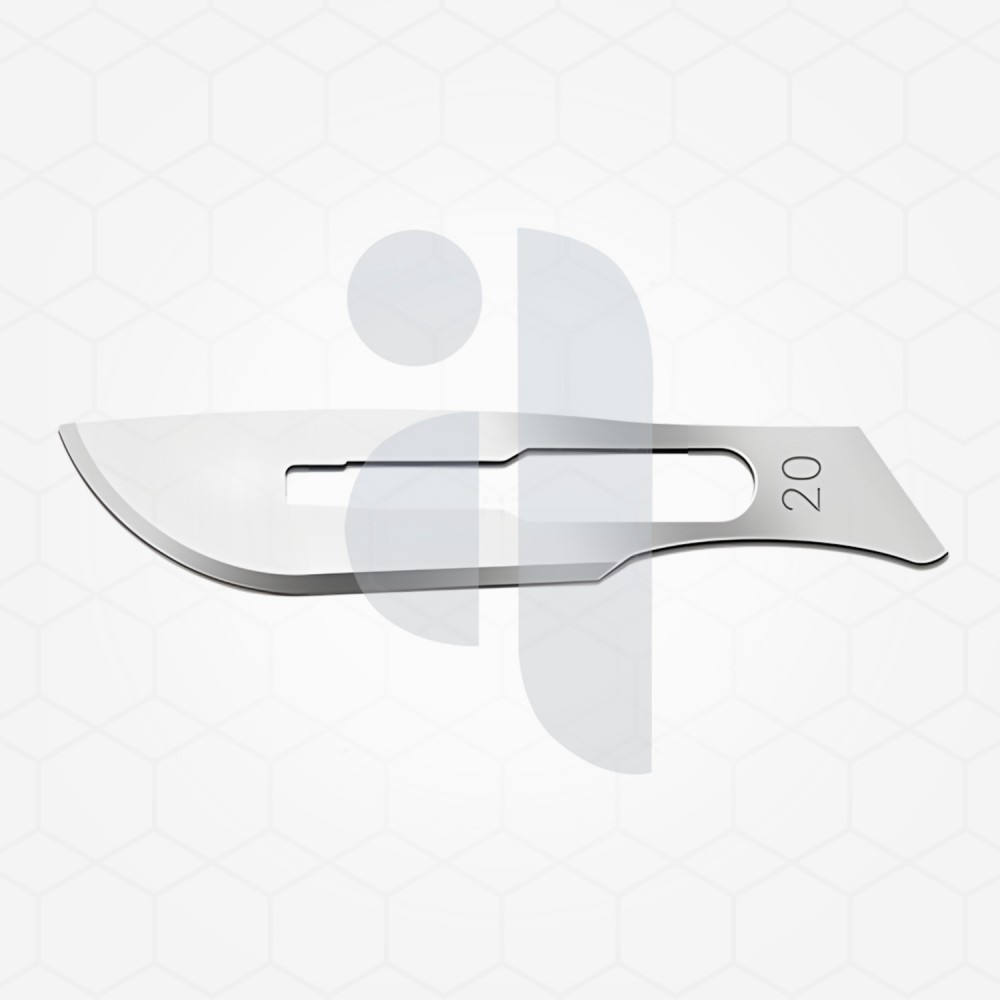
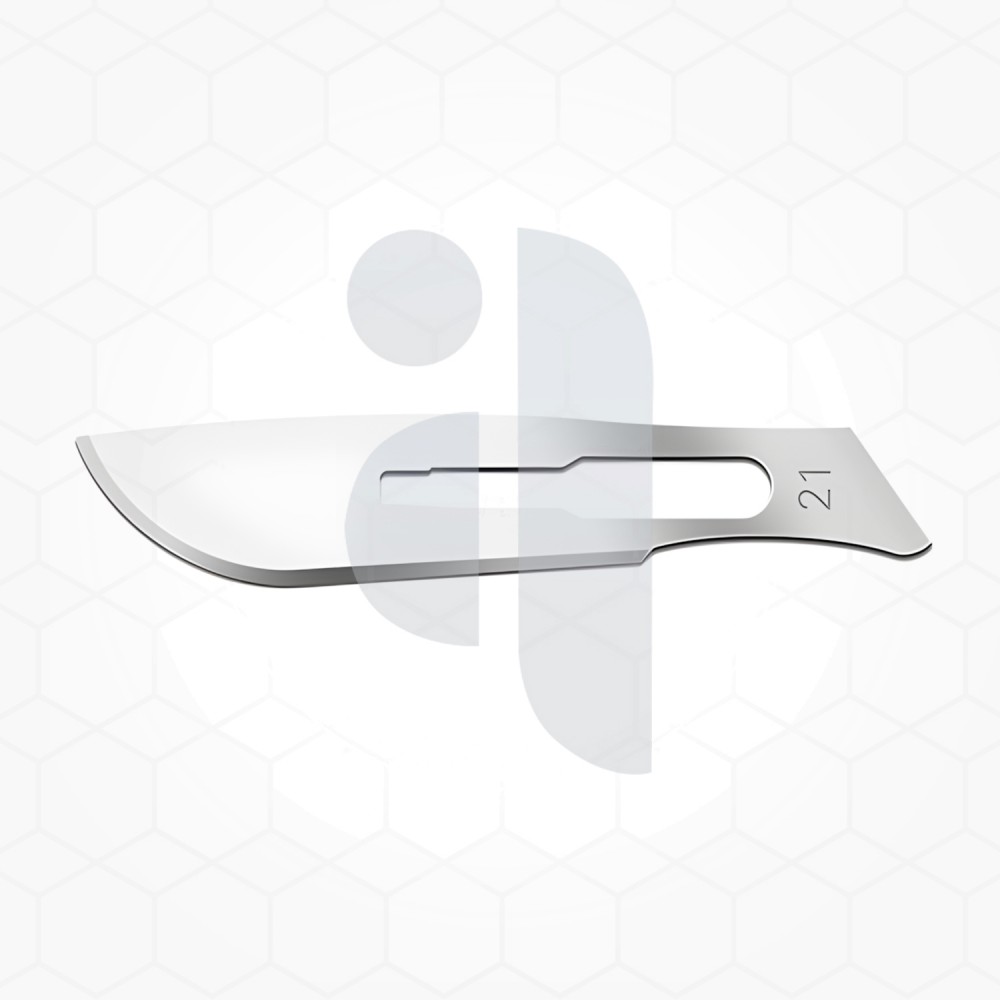
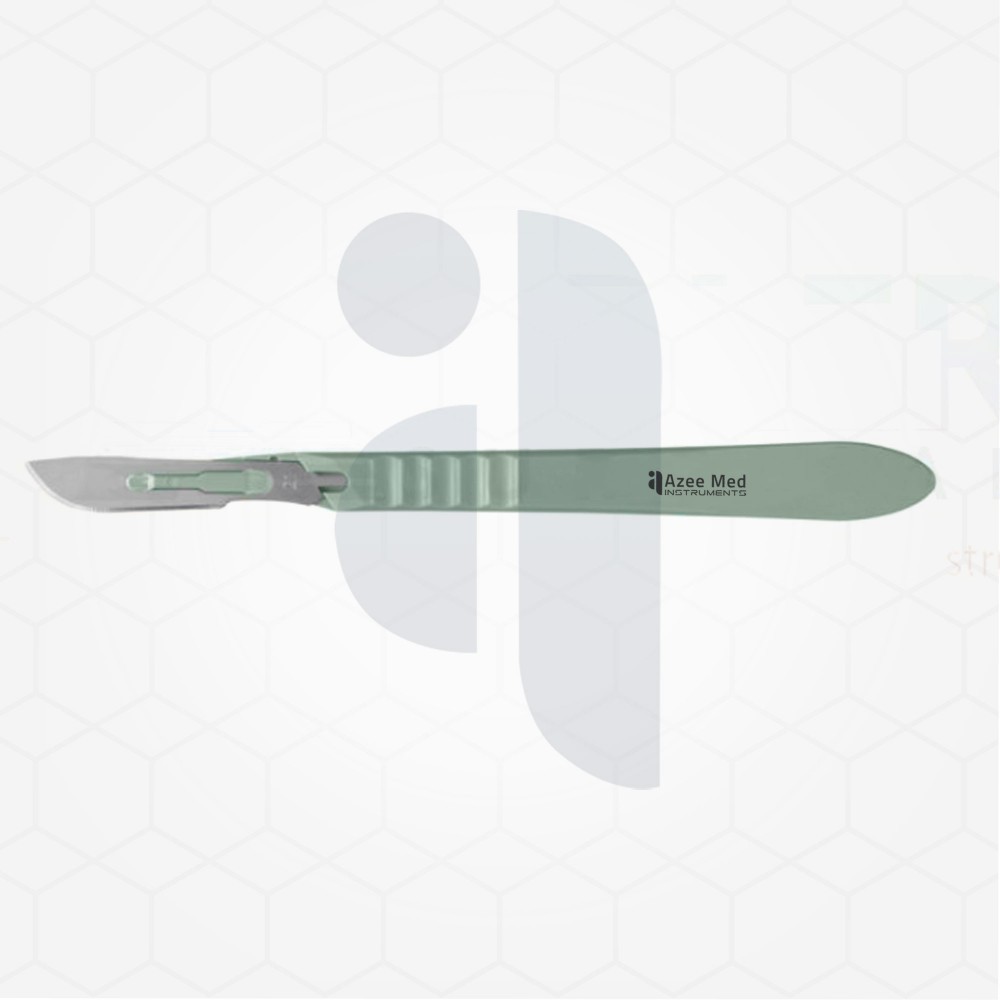
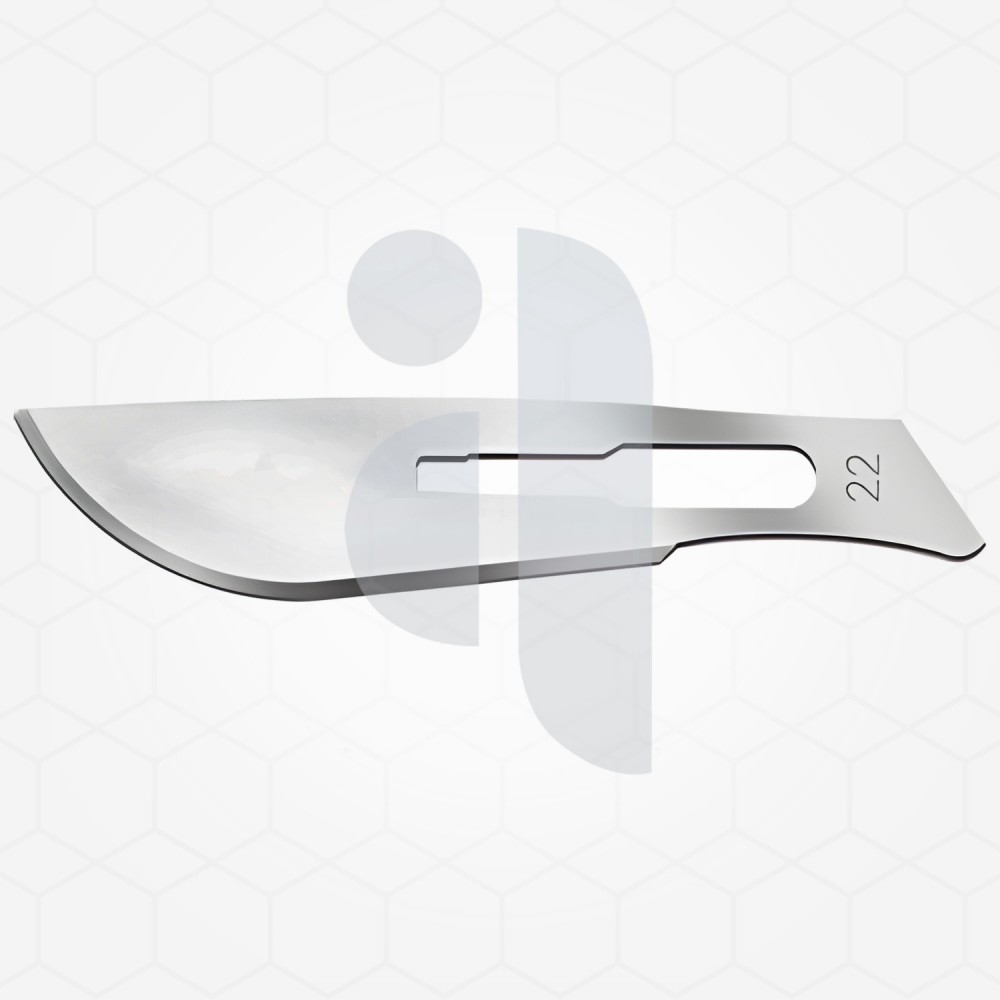
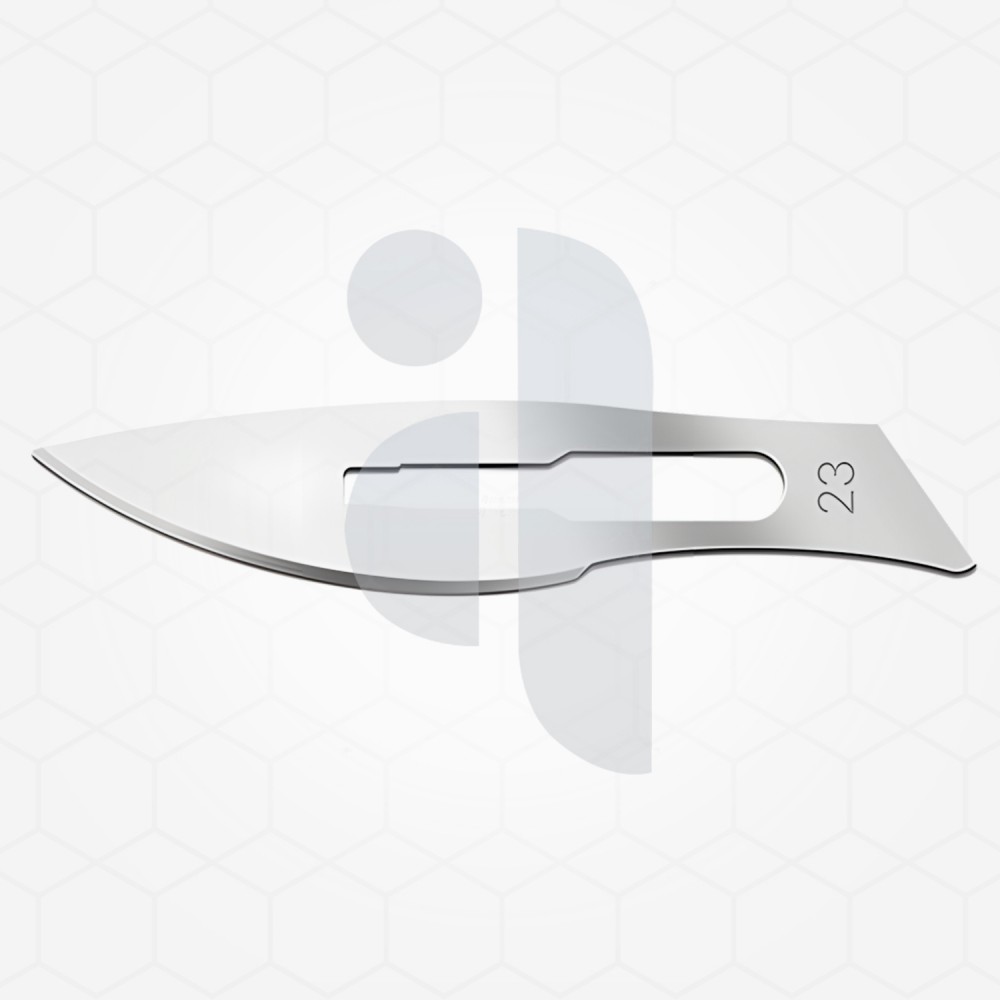
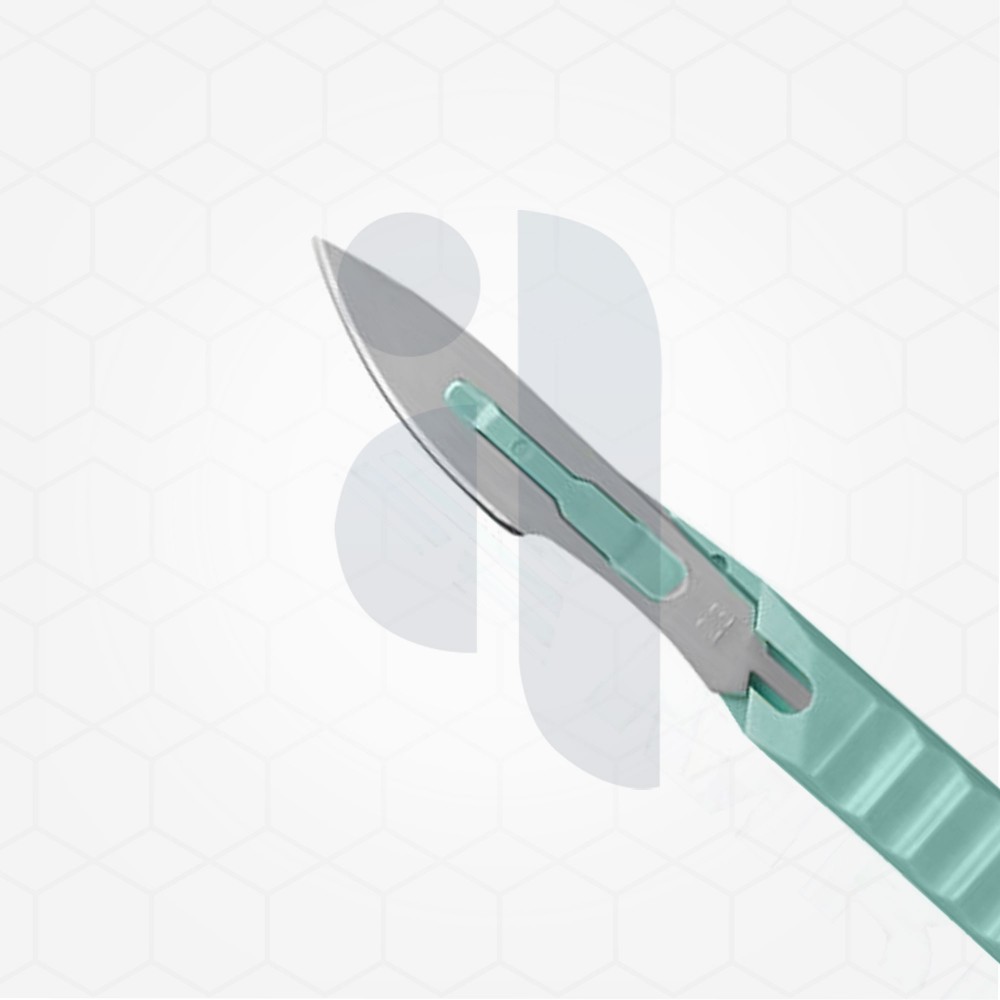
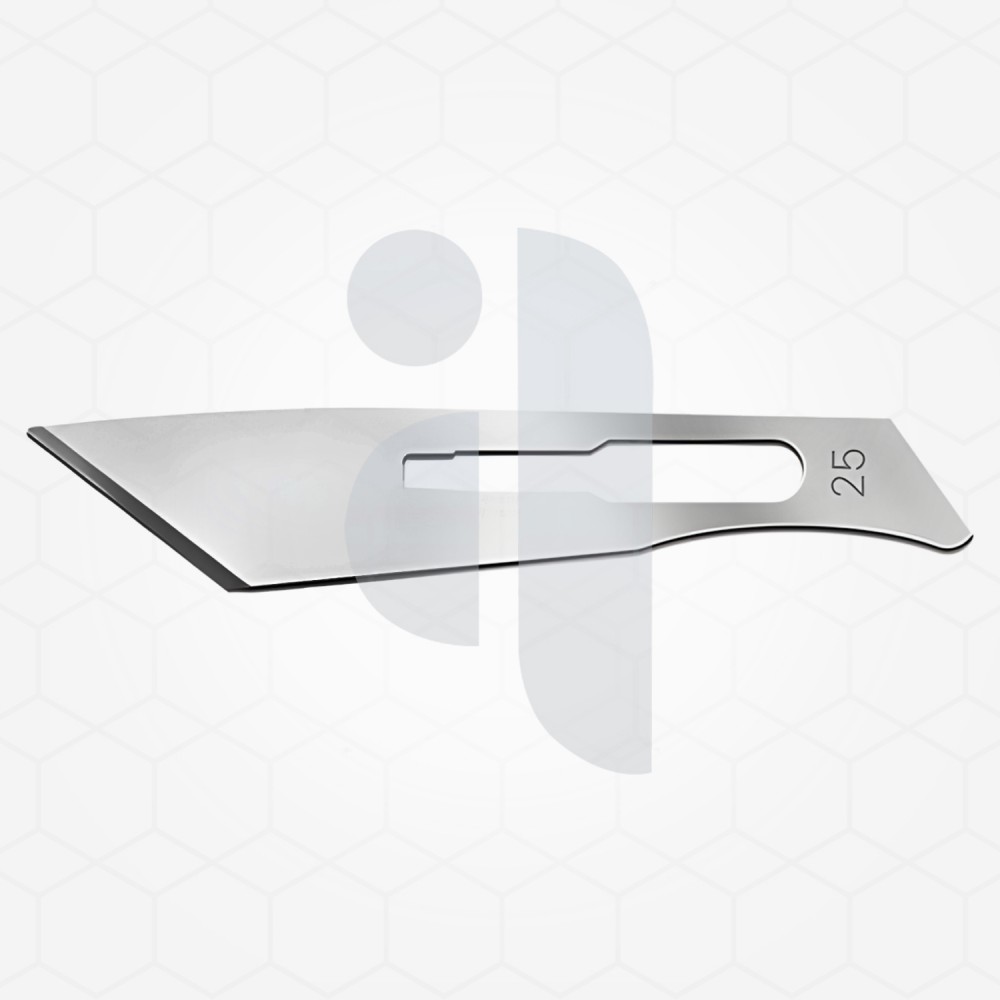
Blades are function-specific, sharp-edged tools used in general surgery to help surgeons incise tissues. They are a part and parcel of every general surgery instrument set and a must-have in every general surgery instrument tray.
They are found in both a basic general surgery instrument set and a detailed surgical kit. They are divided into different blade numbers, allowing the surgeons to pick them according to their speciality.
This quick breakdown will assist you in getting knowledge regarding the types, key features, and uses of surgical blades.
What are the different types and applications of blades in general surgery?
What are the key features of dependable surgical blades?
Given is a list of the key features of surgical blades that make them a dependable instrument for general surgery:
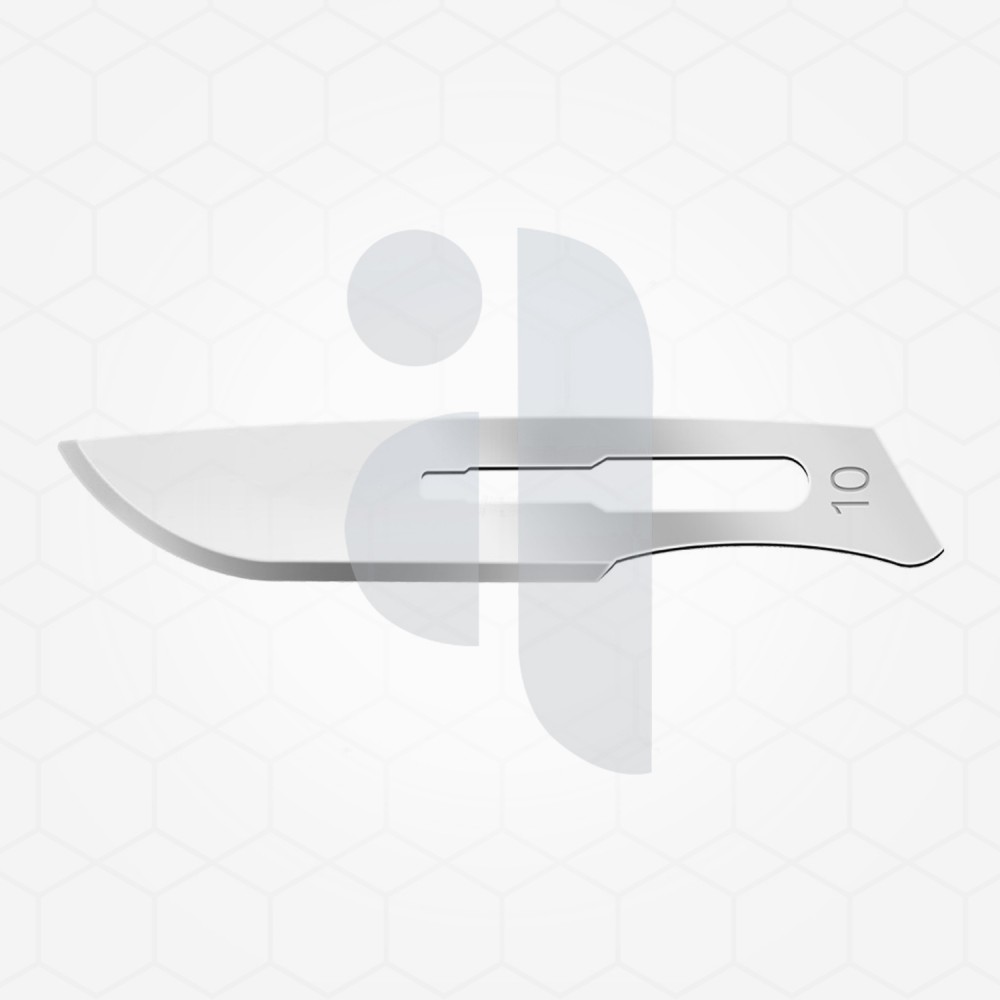
Ultra-Sharp Working End: Surgical blades ensure clean incising with their ultra-sharp working edges. Mostly, they are disposable.
Standardised Variation in Range: Every blade has a designated, standard number. This makes it easy for surgeons to have them in a general surgery kit.
Construction Material: Blades are made with high-grade surgical stainless steel or a high-carbon steel alternative. This construction gives them exceptional sharpness.
Burr-Free: With high-grade surgical blades, tissue drag is no longer a problem. Always prefer having burr-free surgical blades.
FAQs
Q1: What’s the role of surgical blades in a general surgery instrument set?
General surgery blades help surgeons practice control while incising tissues during a procedure.
Q2: How can I choose the right blade for my general surgery procedure?
You can choose the right blade for a general surgery procedure by finalising the incision size, procedure types, and compatibility.
Q3: Which blade can the surgeons not live without?
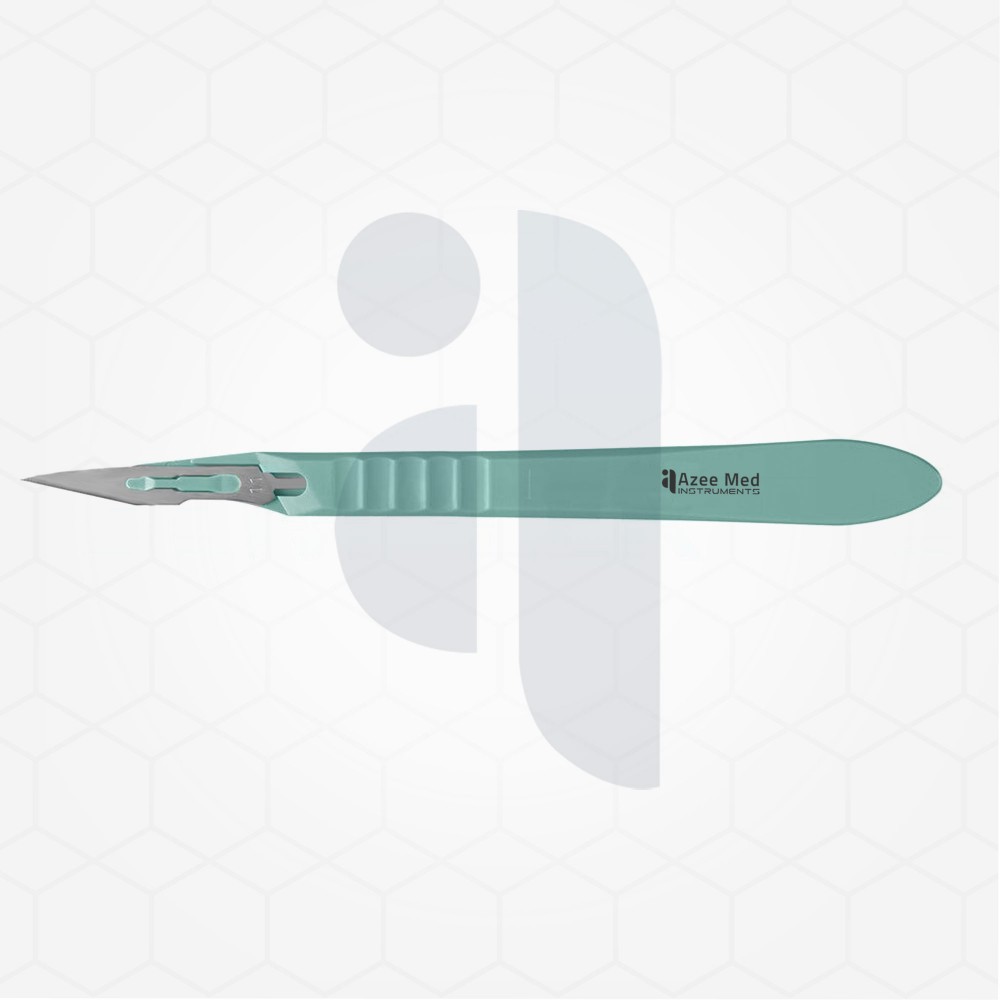
For everyday general surgery procedures, having No. 15 and No. 11 blades is a must.
Q4: How to keep surgical blades in their right shape?
Mostly, surgical blades are disposable. Once you have used them, dispose of them in a puncture-resistant container to prevent infections.
Q5: What material helps construct the general surgery blades?
Surgical blades use surgical-grade German stainless steel in their construction. However, recently, high-carbon steel has also been used.
Explore AzeeMed Instrument’s High-Quality Surgical Instruments for General Surgery
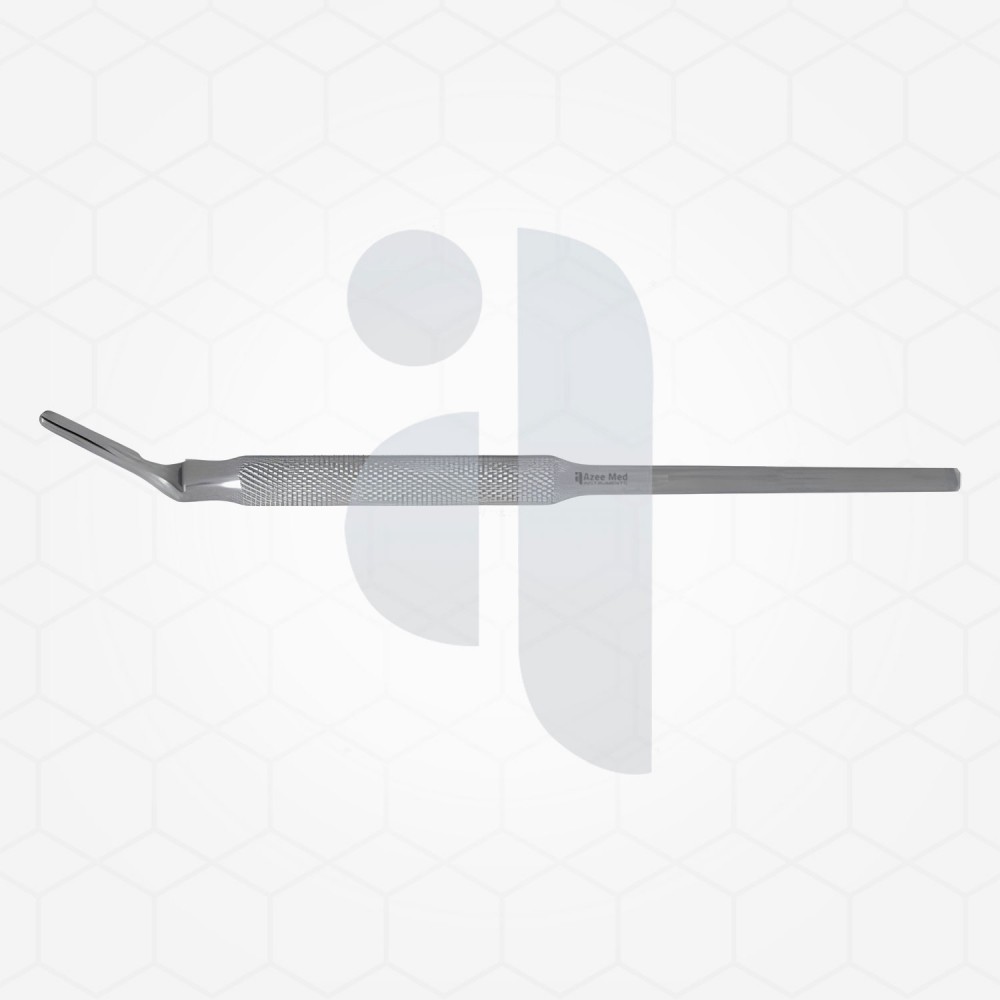
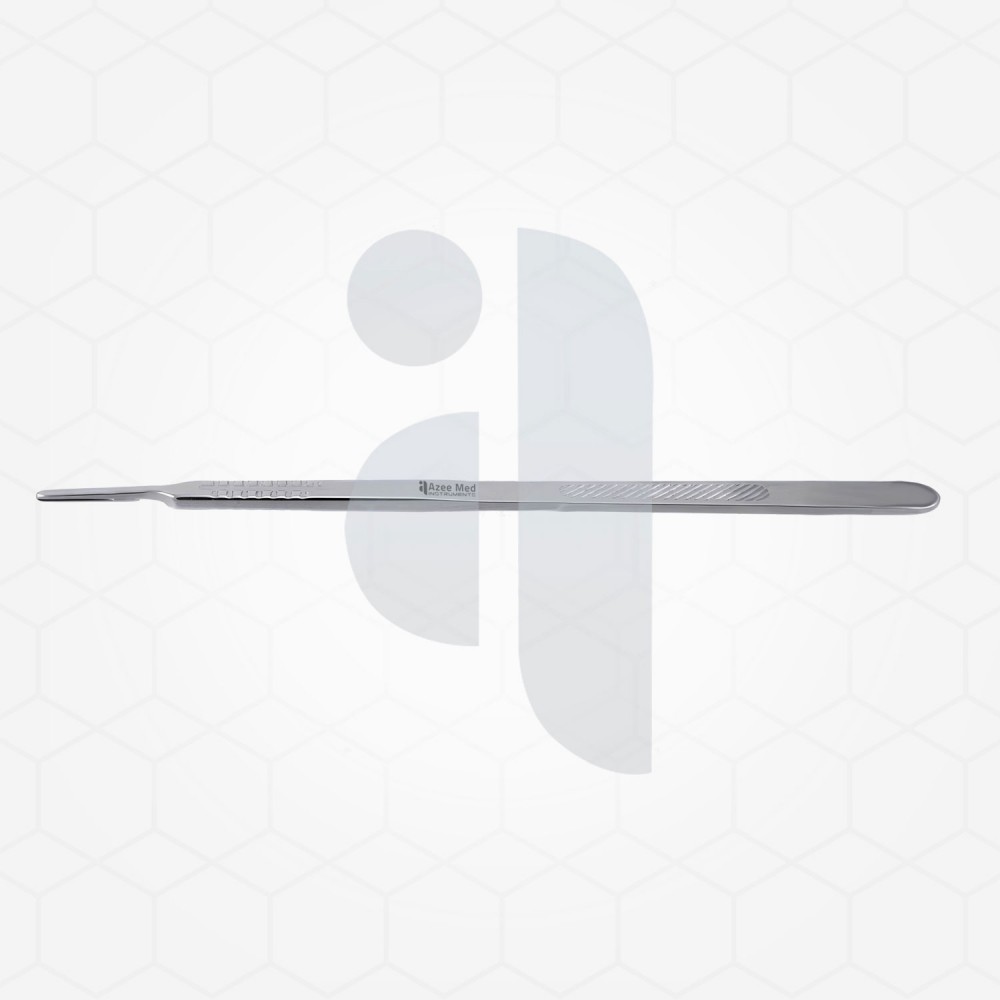
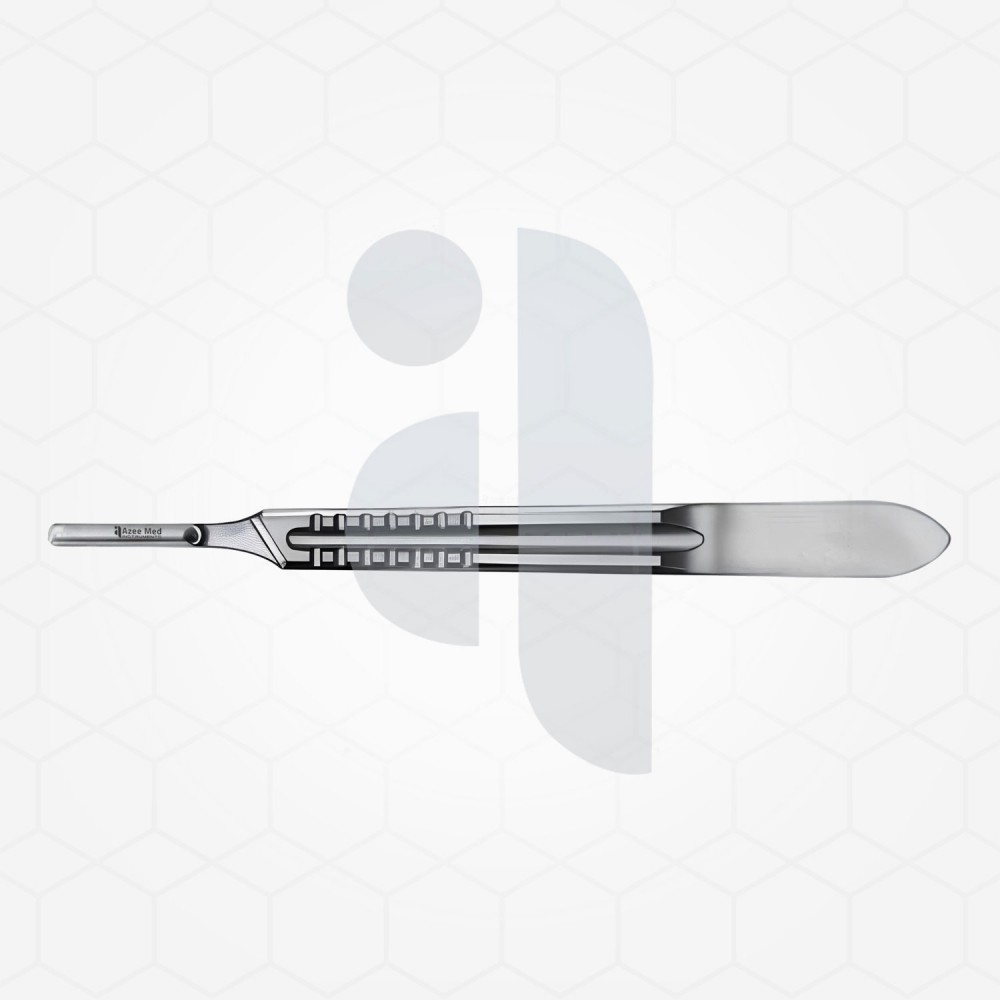
AzeeMed Instruments offers a range of different surgical blades that you can keep in your general surgery instrument tray. This guide serves as a handy resource on surgical blades. If you have any queries, you can contact us here.




















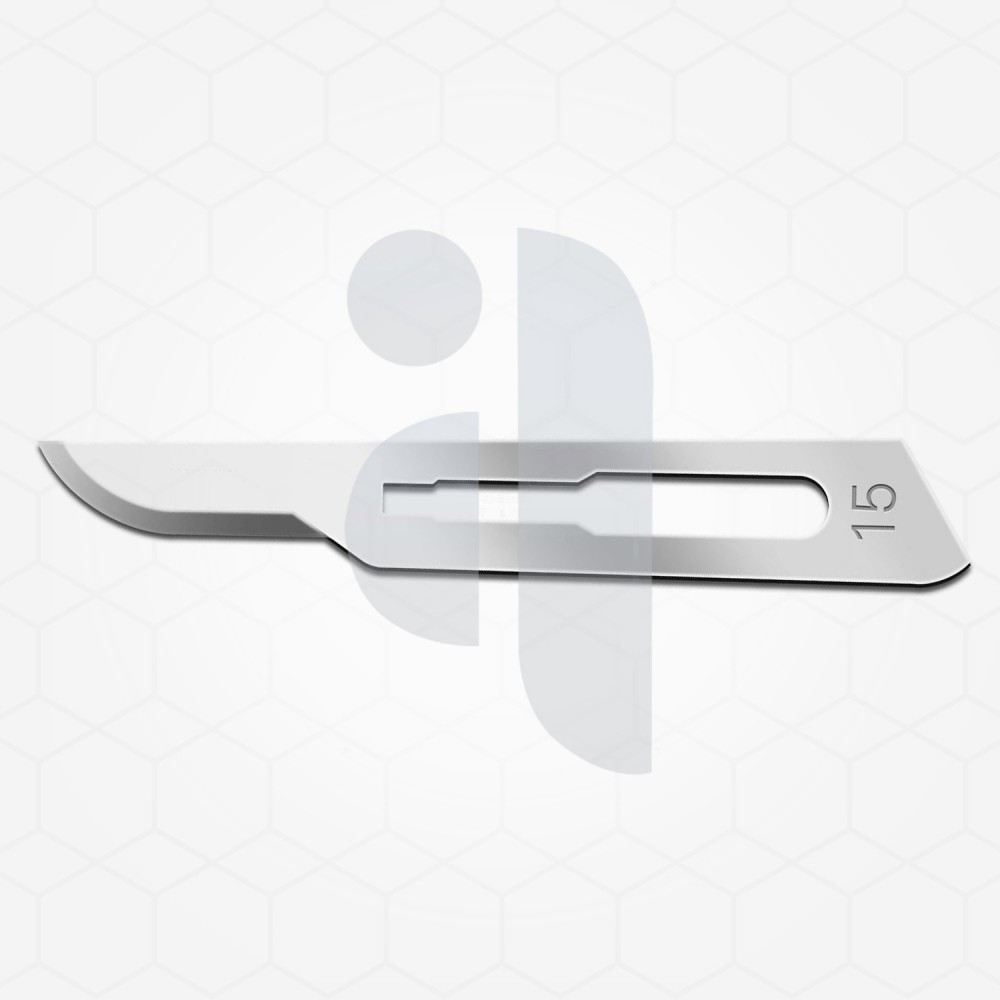













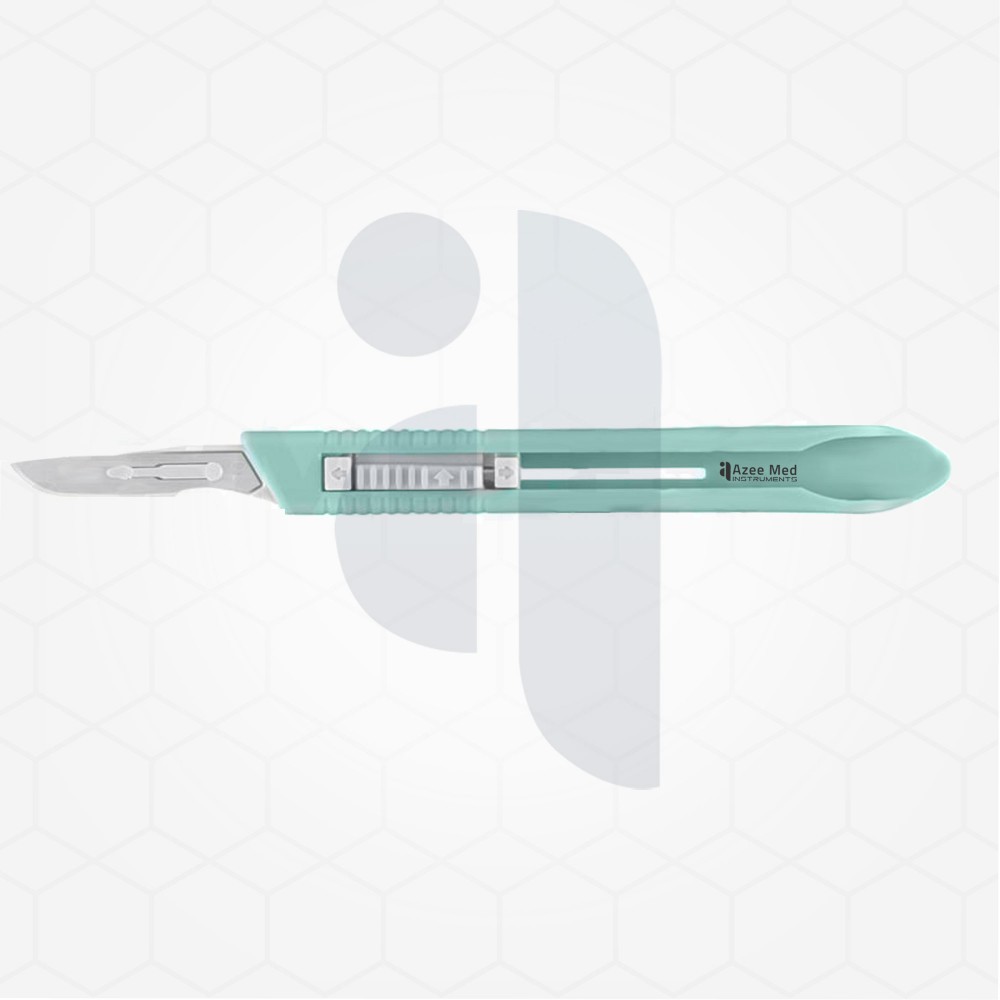
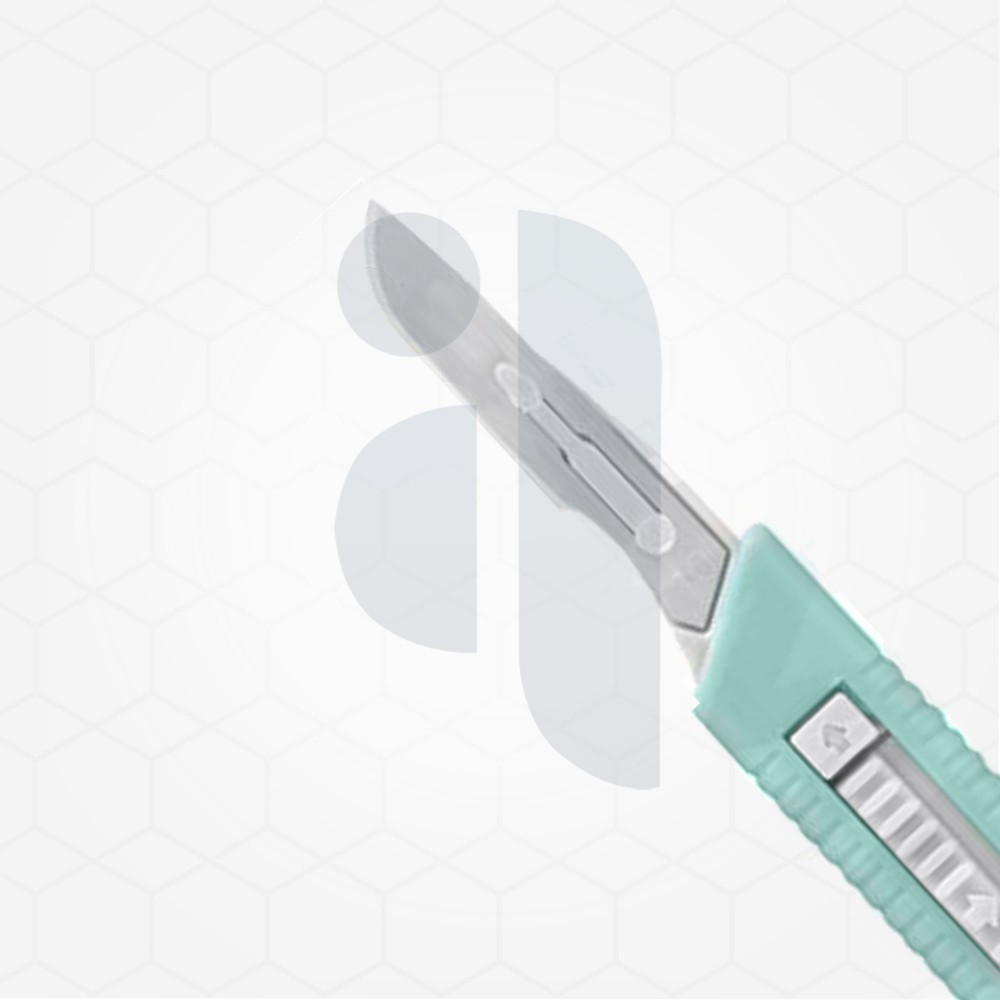




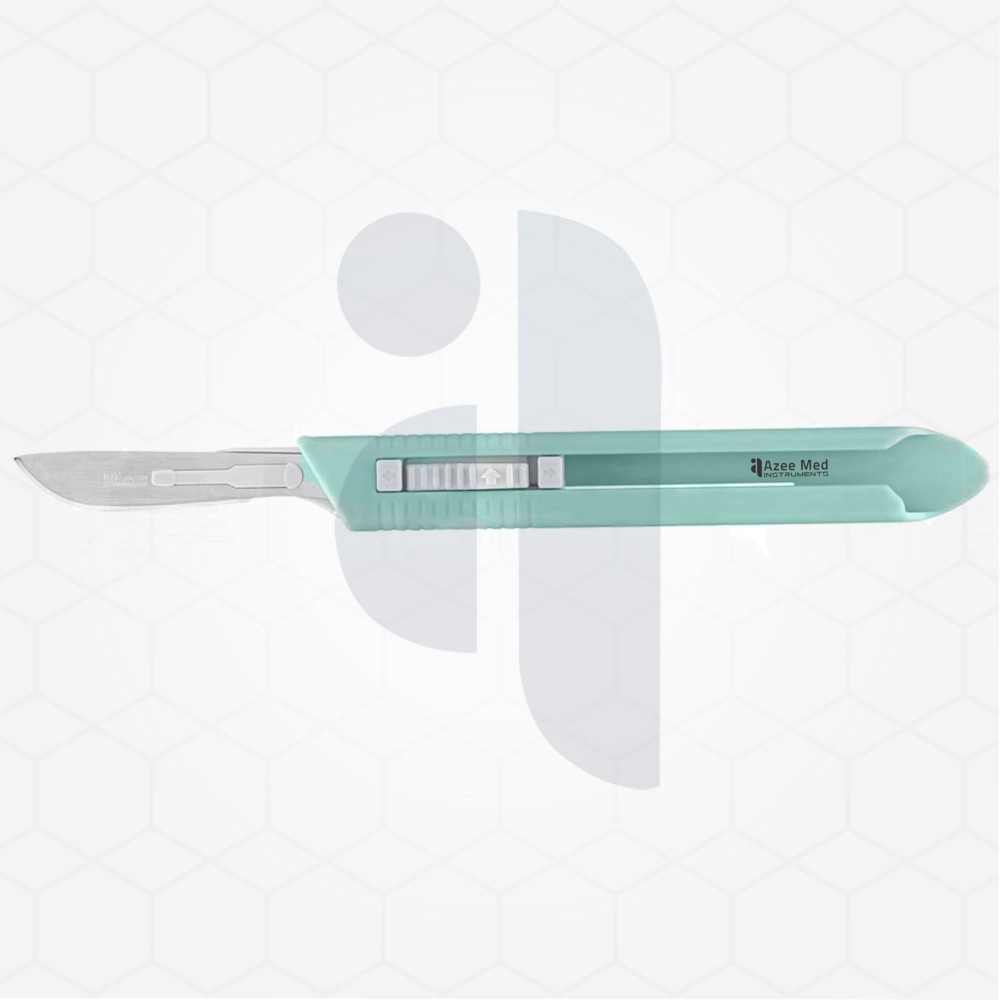

-1000x1000.jpg "Stainless steel surgical safety blades, #15")
-1000x1000.jpg "Stainless steel surgical safety blades, #15")